Koh Lanta Island Thailand
8
Cruises availables
At departure or passage at this port
Explora Journeys (6 Cruises)
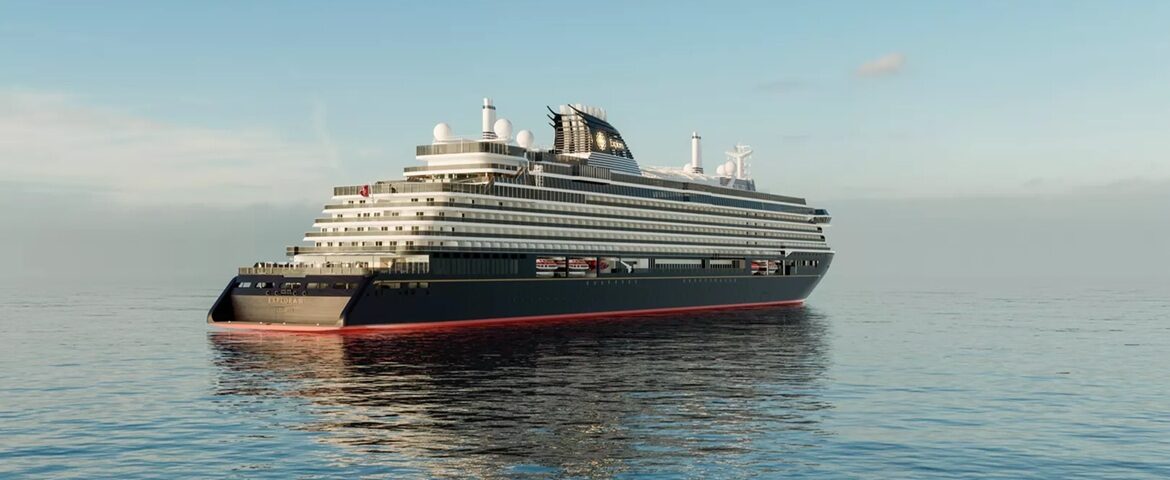
Explora III
6 Cruises

| 26 November | 15 days | Round-trip from Singapore, Singapore |
450-628-6241
Call us
|
| 26 November | 8 days | Round-trip from Singapore, Singapore |
450-628-6241
Call us
|
Ponant (2 Cruises)



Koh Lanta Island, Thailand | Cruise Port Guide
Frequently Asked Questions
It doesn't. There is no cruise pier at Koh Lanta, so ships anchor offshore and tenders bring passengers to Ban Saladan, the small town at the island's northern tip. The crossing is short, but any anchorage depends on sea conditions: in heavy swell the call can be shortened or cancelled.
Only Ban Saladan. The town is essentially two streets and takes about thirty minutes to walk: cafés, fruit stalls, scooter rentals and wooden terraces built on stilts over the water. Everything else on the island, beaches included, requires a vehicle.
By shared pickup truck (songthaew) or taxi, arranged at the tender pier. The beaches closest to Saladan are minutes away; the island's southern tip is a good half-hour drive. Agree on the fare and the return time before setting off, and leave a comfortable margin before the last tender.
The simplest plan: a pickup to a west-coast beach, a few hours of swimming and a seafood lunch, then back to Saladan. Those who prefer culture to sand head instead for Lanta Old Town on the east coast, about thirty minutes away, with its century-old wooden houses on stilts.
Yes, and they are the main reason to go ashore. The island's entire west coast is a string of west-facing bays with warm water and gently shelving sand, ideal for long swims. The further south you go, the quieter the coves become.
The Thai baht, and you should carry cash. Restaurants and shops in Saladan sometimes take cards, but pickup trucks, fruit vendors and small beach counters are cash only. Withdraw before leaving town: ATMs thin out quickly once you head away from Saladan.
Thai. English is widely used in restaurants, shops and by drivers accustomed to visitors; French almost never. A few words of Thai and a smile go a long way here.
Yes, provided you're comfortable with the tender transfer. The west-coast beaches have sandy bottoms that shelve gently, with no surf, and small beach bars serve simple meals in the shade. Bring hats, sunscreen and water: natural shade on the sand is scarce.
November to April, the Andaman Sea's dry season: calm water, clear skies and reliable anchorages. From May to October the southwest monsoon brings swell and downpours, and that is when a tender call is most likely to be cancelled. Most itineraries avoid those months.
Yes, at the island's southern tip. The marine national park protects a wild headland where a white lighthouse overlooks the meeting of jungle and sea, and the trail up offers one of the finest viewpoints in the region. Allow nearly an hour's drive from Saladan: best kept for long calls.


