Huelva Spain Andalusia

28 Cruises availables At departure or passage at this port

CroisiEurope (24 Cruises)

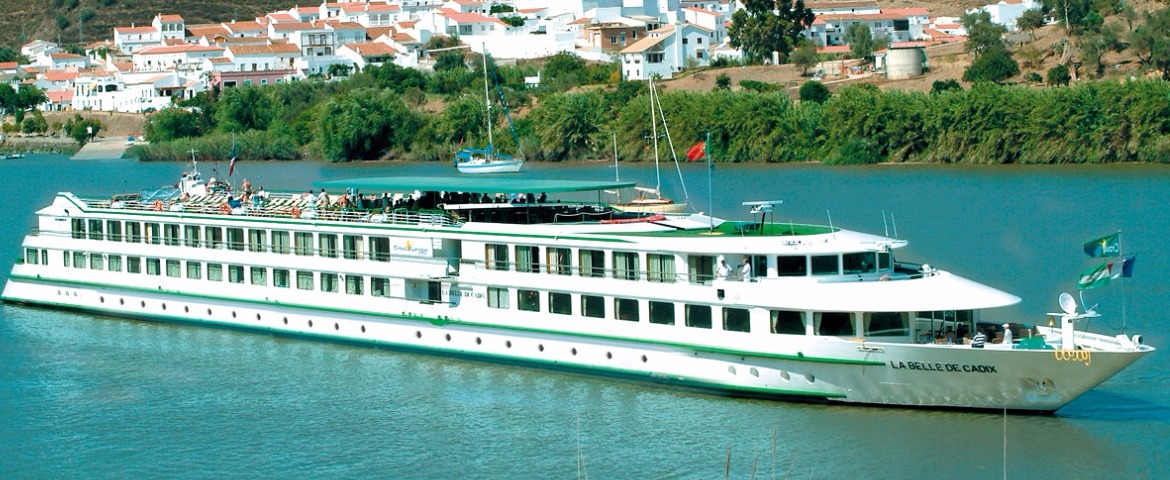
Cruise CE Croisieurope MS Belle de Cadix ship

MS Belle de Cadix

176 Passengers
Visit the ship's page

Huelva Spain | Costa de la Luz Cruise & Andalusia Travel Guide

It was from here that three caravels set sail and changed the map of the world. Huelva, in western Andalusia, stretches between the Tinto and Odiel rivers, facing the very places where Christopher Columbus prepared his first voyage of 1492. The stop draws travellers curious about history as much as nature lovers: around the city, the Odiel marshes form one of Europe's great wetlands, and the province keeps an unpolished Andalusian character, well away from the crowds of Seville.

A City Shaped by Ore

Huelva owes part of its character to the British mining companies that worked the copper deposits of the Río Tinto in the 19th century. Their most striking legacy juts out into the estuary: the Muelle del Tinto, an iron pier built in the 1870s to load ore onto ships. Stretching over a kilometre, now restored and protected as a heritage site, it serves today as a walkway above the water. Strolling its planks at sunset, as flamingos pass overhead in formation, is a favourite ritual among locals. Not far from the port, the Reina Victoria district, a garden city built for English employees, surprises visitors with its Victorian cottages set right in the middle of Andalusia.

La Rábida, the Monastery of the Great Departure

Seven kilometres from the city, on a pine-covered hill overlooking the confluence of the two rivers, the Franciscan monastery of La Rábida holds the memory of the boldest project of its time. Columbus stayed here between 1491 and 1492, found support among the monks, and refined his plan while waiting for backing from the Catholic Monarchs. The cloister, the frescoed rooms, and the gardens can be visited in quiet calm; the monks still welcome visitors today. From the viewpoint, the view stretches over the estuary, where a colossal statue dedicated to the navigator watches over the Sebo headland.

Boarding the Caravels

Just below the monastery, the Muelle de las Carabelas displays full-scale replicas of the Santa María, the Pinta, and the Niña. You can climb aboard, go down into the holds, step into the captain's quarters, and the cramped decks suddenly make the 1492 crossing feel very real: three tiny wooden hulls facing an unknown ocean. The adjoining museum recreates 15th-century Spain. Buses regularly connect downtown to La Rábida and to the nearby village of Palos de la Frontera, from where the expedition set sail; by taxi or organized excursion, the site is about a twenty-minute trip.

Marshes, Flamingos, and Sandy Beaches

Between the city and the ocean, the Odiel marshes spread out their lagoons and salt flats, a refuge for flamingos, spoonbills, and ospreys. Trails and observation points let visitors get close to this biosphere reserve right at the edge of the city centre. Beach lovers can continue on to the long, windswept Atlantic beaches of the Costa de la Luz, which line the province all the way to the Portuguese border.

Andalusian Cuisine, Atlantic Style

At the table, Huelva stands out for two local treasures: the white shrimp from its coast and the Ibérico ham from Jabugo, cured in the nearby mountains. The tapas bars downtown, around the Gran Vía and the market, serve both alongside a glass of white wine from the Condado. Few ports offer a land-and-sea pairing of this quality at such a modest price.

The ship heads back down the estuary, and thoughts turn to the caravels that followed this very channel one August morning in 1492, bound for the unknown. Huelva leaves travellers with this thought as a parting gift: every great crossing, including one's own, begins on a shore being left behind.

Frequently Asked Questions

In the estuary between the Tinto and Odiel rivers, in western Andalusia. The port serves a mid-sized city that has stayed clear of Seville's crowds, which is much of its appeal.
Because it was from here — more precisely from the neighbouring village of Palos de la Frontera — that the three caravels sailed in August 1492. Columbus prepared the voyage at the La Rábida monastery, seven kilometres from the city.
La Rábida and the Muelle de las Carabelas are the obvious outing: about twenty minutes each way and two to three hours on site. The Muelle del Tinto and the town centre round out the day if you get back early.
A site where full-size replicas of the Santa María, the Pinta and the Niña lie alongside. You go aboard, down into the holds, into the captain's cabin. The tightness of those decks makes the 1492 crossing suddenly very real.
The cloister, the frescoed rooms and the gardens of a Franciscan monastery where Columbus stayed between 1491 and 1492. From the viewpoint you look out over the estuary and the colossal statue of the navigator on Sebo point. The friars still welcome visitors.
An iron loading pier built in the 1870s by British mining companies to load copper ore. More than a kilometre long, restored and listed, it now serves as a walkway over the water. Locals come at sunset, when the flamingos pass in formation.
Yes. The Odiel marshes, on the edge of the urban centre, form one of Europe's major wetlands: lagoons, salt pans, flamingos, spoonbills and ospreys. Trails and hides let you get close to this biosphere reserve.
Two local glories: white prawns from the coast and Jabugo Iberian ham, cured in the nearby sierra. The tapas bars around the Gran Vía and the market serve both, with a white wine from the Condado.
Yes, the Costa de la Luz beaches — long, sandy and windy, running along the province to the Portuguese border. They require a taxi or an excursion; this is not a walk-off-the-ship beach call.
The euro and Spanish; English is not widely spoken outside tourist sites. Cards are accepted in shops. Spring and autumn are best; July and August are scorching in this part of Andalusia.