Port of Al Wajh, Saudi Arabia | Cruise Port Guide

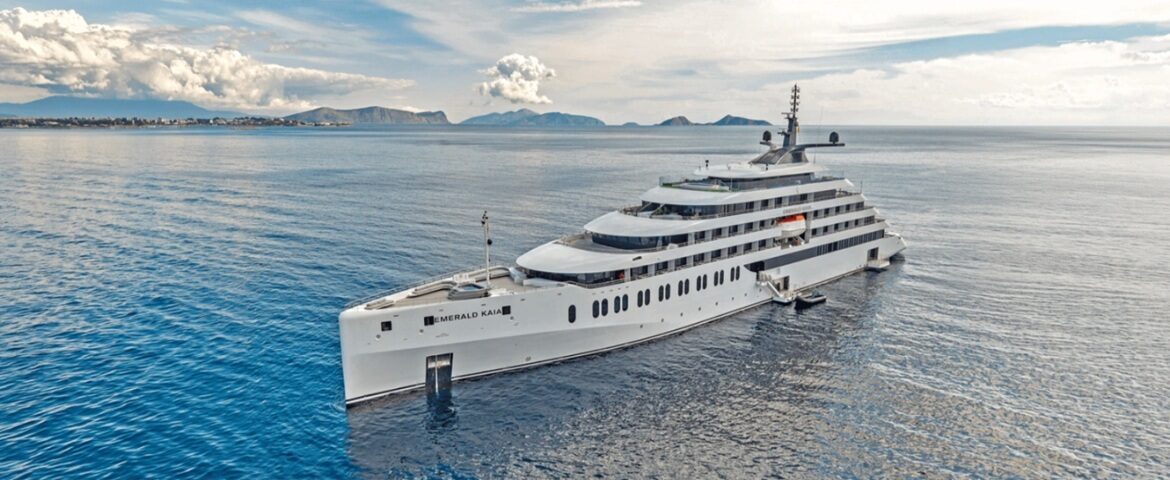
The anchorage lies offshore, in water whose gradations—turquoise over the shallows, dense blue beyond the reef—announce the Red Sea in all its clarity. A tender then conveys passengers to a dock about five kilometres from the city. Al Wajh, a fishing town in Tabuk province, seems modest at first glance; it nonetheless guards the gateway to one of the Near East's greatest archaeological ensembles, the oasis of AlUla and the tombs of Hegra.

Al-Balad: The Old City of Coral

Before heading into the desert, the old quarter deserves an hour of your time. Its merchant houses, built in coral stone extracted from the shore, line ornate wooden balconies that once filtered light and breeze. Most are now abandoned, and this absence itself gives the place its power: you sense a trading post that lived by commerce between Egypt, the Hejaz and the routes to Mecca. Below, the boats of the fishing port remind you that the sea still feeds the city: nets spread in the sun, coolers being loaded, seagulls in escort. The corniche, simple and tranquil, lends itself to a morning walk before the heat.

The Long Road to the Oasis

Most cruise lines offer the major excursion to AlUla here, about two and a half hours' drive. The journey is part of the voyage: sand plains, basalt plateaus, ochre mountains that change hue with the hour. Upon arrival, the palm grove emerges like a promise kept, squeezed between the cliffs. The old city of AlUla, a labyrinth of mud-brick houses long inhabited then abandoned, is explored by its roofed lanes and restored squares, among artisan workshops and vantage points over the oasis. Depending on the programme, the excursion may also include the ruins of the ancient kingdom of Dadan, the thousands of inscribed carvings of Jabal Ikmah canyon—a veritable open-air library—or a stop before Elephant Rock, a sandstone monolith whose trunk seems to drink the sand.

Hegra: The Southern Sister of Petra

Saudi Arabia's first UNESCO World Heritage site, Hegra gathers more than a hundred monumental tombs carved by the Nabataeans two thousand years ago into isolated sandstone massifs. The sculpted façades—cornices, eagles, rosettes—surge from the desert with no decoration but silence. The most celebrated, Qasr al-Farid, occupies its own rock alone, unfinished and all the more moving for it. Visits are made in small accompanied groups, which preserves the atmosphere of the place. Between two massifs, the desert reasserts itself, and the silence surrounding the façades is worth all commentary: you hear the wind, a bird, your own steps in the sand.

Composing Your Day

  • The excursion to AlUla and Hegra occupies the full day: early departure, return late afternoon.
  • Bring water, a hat and loose light clothing; the heat is dry and the sun direct.
  • Those remaining near the ship can walk through Al-Balad, follow the corniche and watch the coming and going of fishers.
  • Al Wajh's tourist infrastructure remains limited: better to compose your day with the cruise line's services.

On return, as the gangway rises and the coast fades into evening, images tumble: wooden balconies of the old quarter, palm oasis hemmed in by rock, Nabataean façades reddened by sunset. Few ports of call offer such a gap between the discretion of the departure point and the vastness of what it conceals. It is precisely this that makes you want to return, before the whole world presses in.

Frequently Asked Questions

Ships anchor offshore and a tender takes passengers to a quay about five kilometres from town. This is not a call where you step straight into the centre.
For the hinterland. This fishing town in Tabuk Province is the gateway to one of the largest archaeological complexes in the Near East: the AlUla oasis and the tombs of Hegra.
A quarter of merchant houses built from coral stone quarried on the shore, with carved wooden balconies. Most stand abandoned today, and that very absence gives the place its force. An hour is enough to walk it.
About two and a half hours each way. It is the major excursion offered by most lines and it takes the whole day: sand plains, basalt plateaus and ochre mountains that shift colour with the hour.
Saudi Arabia's first UNESCO World Heritage site: more than a hundred monumental tombs carved by the Nabataeans two thousand years ago into isolated sandstone outcrops. Visits are made in small accompanied groups.
Qasr al-Farid, which stands alone on its rock. It was left unfinished, and that is exactly what makes it moving: you see the work interrupted, the facade carved from the top down and raw stone below.
The mudbrick old town, a maze of covered lanes and restored squares; the remains of the ancient kingdom of Dadan; the thousands of carved inscriptions in Jabal Ikmah canyon, an open-air library; and Elephant Rock.
Yes, and it is a defensible choice if long drives put you off. The old coral town, the fishing harbour and the corniche make a quiet morning, best done early before the heat.
November to March. The desert and the sandstone sites become very hard going in spring and summer, and the AlUla excursion happens entirely in the sun. A hat, sunglasses and plenty of water are needed even in winter.
Modestly: shoulders and knees covered for everyone, loose light clothing. Rules have eased for women visitors, but restraint in dress is still expected in town and at the sites.