Oltenita Romania
Romania

98 Cruises availables At departure or passage at this port

Avalon Waterways (52 Cruises)
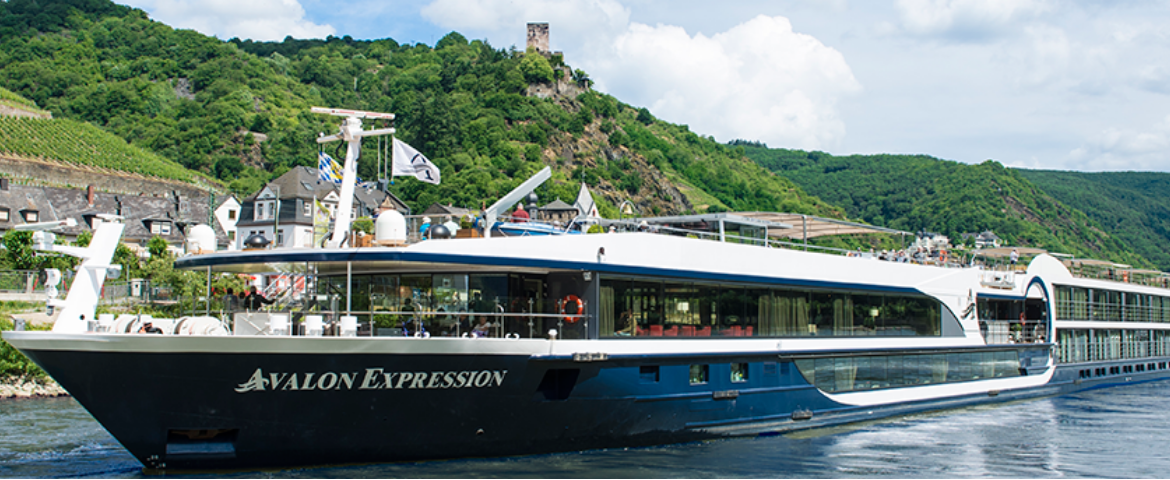
Avalon Passion.

Avalon Passion®

166 Passengers
2775 tons
Visit the ship's page

CroisiEurope (46 Cruises)

Image not available

MS L'Europe

178 Passengers
Visit the ship's page
Cruise CE Croisieurope MS Vivaldi ship

MS Vivaldi

172 Passengers
Visit the ship's page

Oltenița, Romania | Cruise Port Guide

On the quays of Oltenița, people embark more often than they disembark. This Romanian town on the lower Danube, set near the confluence of the Argeș, serves as the starting point for several river cruises: motorcoaches drop off passengers coming from Bucharest, luggage rolls toward the cabins, crews bustle along the pontoons, and the river, wide and tranquil, awaits the signal to depart. The port call nonetheless deserves a look: for those who take the time, it tells of a discreet Romania, and of a past much older than it seems.

Bucharest an hour away by road

The Romanian capital lies about 65 kilometres to the north, and most programs devote the main excursion to it. Bucharest surprises with its contrasts: the Palace of the Parliament, a Ceaușescu-era colossus with three thousand rooms, stands alongside miniature Orthodox churches saved from demolition, and the Haussmann-style boulevards that once earned the city its nickname of "Little Paris" lead to the old Lipscani district, once again the heart of terraces and bookshops. The Romanian Athenaeum, a neoclassical rotunda with a painted dome, completes the picture for lovers of beautiful halls. The Village Museum, on the shores of Lake Herăstrău, brings together farms and wooden churches transported from every region of the country: an open-air lesson on Romania, ideal before heading down the river.

A six-thousand-year-old civilization

Oltenița itself holds a claim to fame few travellers suspect. The mounds in the area have yielded the remains of the Gumelnița culture, a Copper Age civilization that flourished on these banks more than six thousand years ago, well before the pyramids. The town's archaeological museum displays its painted ceramics and clay figurines in surprisingly expressive poses, which have become icons of European prehistory, reproduced in textbooks across the continent. The original mound still stands a few kilometres away. The room is modest, the collection is not: it is a reminder that the lower Danube was one of the cradles of ancient Europe.

Along the river

The waterside promenade offers the everyday spectacle of the great river corridor: barge convoys heading for the Black Sea, motionless fishermen, herons in the willows on the Bulgarian bank just opposite, and a low light that delights photographers at the end of the day. The town itself, laid out on a grid in the 19th century, features a centre with weathered neoclassical façades, a shady park and a market where produce from the nearby plains, tomatoes, watermelons and brined cheeses, gives a true idea of the Romanian table. Older residents remember the shipyard that was long the town's pride: generations of river boats, some of which still sail European waters, came out of its slipways. Nothing here is dressed up for visitors, and the curious who wander away from the quays are rewarded with surprised and friendly greetings.

Port call pointers

  • Bucharest: about 1 h 15 by road; allow a full day with the Palace of the Parliament or the Village Museum.
  • Oltenița Archaeological Museum: in the town centre, collections from the Gumelnița culture.
  • Danube riverbanks: walk freely along the quays and through the park.
  • Currency: the Romanian leu; bring a little local cash for the market.

Many will see nothing of Oltenița but a gangway and a motorcoach parking lot. That would be to forget that the Gumelnița figurines were already smiling on these banks when the rest of the continent was barely learning to shape clay. The Danube chooses its starting points well: beginning or ending a cruise here frames your journey between Europe's oldest face and its most patient river.

Frequently Asked Questions

At the lower Danube quays, near the confluence with the Argeș. Oltenița serves as a turnaround port for several river cruises: people board here more often than they come ashore, coaches delivering passengers from Bucharest.
About an hour and a quarter by road, for some 65 kilometres. Allow a full day if you're including the Palace of the Parliament or the Village Museum.
A copper-age civilization that flourished on these banks more than six thousand years ago, well before the pyramids. The mounds around Oltenița yielded its remains, and the original mound still stands a few kilometres from town.
The painted ceramics and clay figurines of the Gumelnița culture, in strikingly expressive poses, now icons of European prehistory reproduced in textbooks across the continent. The room is modest, the collection is not.
The riverside walk, the archaeological museum, the shaded park and the market. Nothing here is dressed up for visitors, and those who wander away from the quays are met with surprised, friendly greetings.
The ordinary spectacle of the great river corridor: barge convoys running toward the Black Sea, motionless anglers, herons in the willows of the Bulgarian bank just opposite, and low late-day light that photographers love.
The produce of the nearby plains: tomatoes, watermelons, brined cheeses. It gives an accurate picture of the Romanian table, and it's the best place to spend a few lei.
Yes, a shipyard that was long the local pride. Generations of river vessels, some still sailing European waters, came off its slipways. Older residents talk about it readily.
The Romanian leu and Romanian. Bring some local cash for the market: this is a provincial town and cards are not accepted everywhere.
Many will see nothing of Oltenița but a gangway and a coach park, and the Bucharest excursion has its case. Those who stay find a quiet Romania and six thousand years of history in one small museum room.