Khasab Musandam Oman
Oman

59 Cruises availables At departure or passage at this port

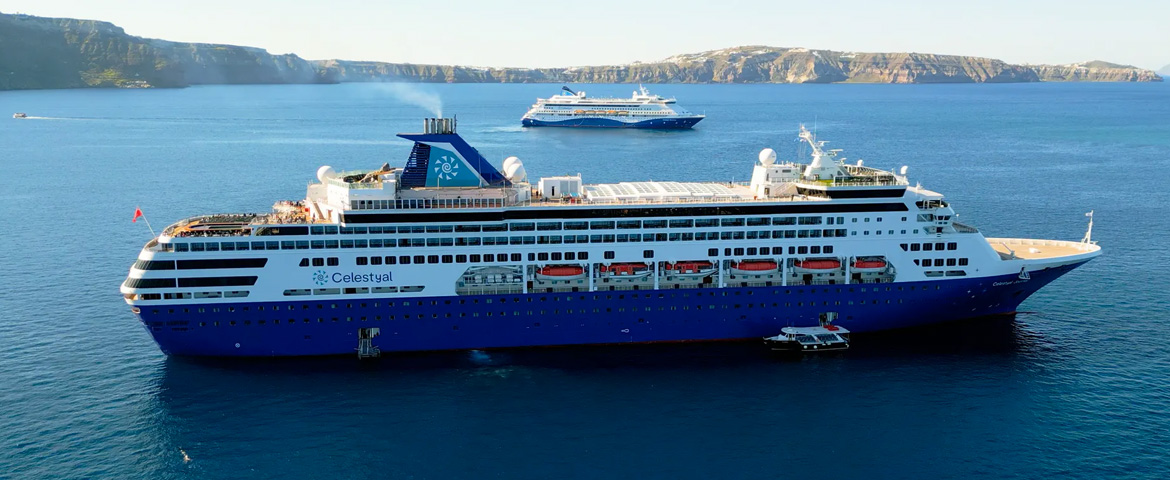
Celestyal Cruises (23 Cruises)

Celestyal Discovery

1828 Passengers
Visit the ship's page

Explora Journeys (20 Cruises)

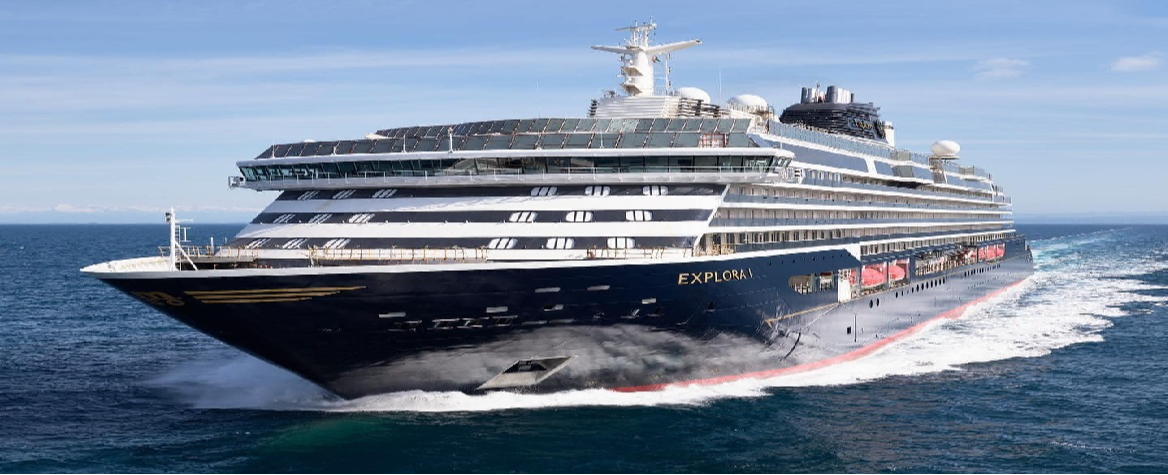
Explora I ship.

Explora I

63900 tons
Visit the ship's page

Port of Khasab, Oman | Cruise Port Guide

Rust-coloured cliffs plunge into perfectly still water. Almost no vegetation: just the bare rock of the Hajar Mountains, folded like fabric, and a few fishing hamlets clinging to the foot of the cliffs. Khasab, at the tip of the Musandam Peninsula, guards the entrance to the Strait of Hormuz. This Omani enclave, separated from the rest of the country by United Arab Emirates territory, offers one of the most distinctive landscapes on the Arabian Sea: deep, narrow inlets often compared to fjords, under a sun that never lets up.

A Terminal on the Scale of the Place

Ships are received just minutes from downtown, and shuttles generally connect the dock to the port complex's exit. Khasab itself amounts to a few quiet streets, a modest souk, white houses, and a palm grove squeezed between sea and mountain. The place isn't trying to impress: the real substance of the stop happens out on the water and up in the heights.

The Fort by the Water

A short distance from the landing, Khasab Castle raises its round tower behind crenellated walls. Built around a seventeenth-century Portuguese core, it now houses a museum devoted to traditional life in Musandam: a reconstructed summer house of palm fronds, wooden boats stitched together with fibre rope, silver jewellery, old weapons. An hour is enough to grasp how people once lived in these mountains, long cut off from the outside world, between fishing, herding, and coastal trade.

By Dhow Through Khor ash-Sham

The outing that defines this stop remains the dhow cruise, aboard those traditional wooden boats fitted out with rugs and cushions. The route heads for Khor ash-Sham, the peninsula's longest inlet: the cliffs slide slowly past, roadless villages appear right at the water's edge, and dolphins regularly come to play in the bow wave. In the middle of the channel rises Telegraph Island, where the British set up a relay station in the nineteenth century for the undersea cable linking London to India. Boats anchor nearby for a swim or to watch the fish in the clear water, while tea, Omani coffee, and dates are passed around on board.

The Mountain of Women

For those who prefer dry land, 4x4 excursions climb toward Jebel Harim, the peninsula's highest point at over 2,000 metres. The track winds upward above the valleys, revealing dizzying views over the jagged coastline and crossing plateaus where marine fossils surface: petrified fish and shells, remnants of an ancient ocean floor pushed up by the mountain. Half a day allows for the round trip, with stops at highland hamlets with their stone granaries.

A Few Customs to Know

  • The currency is the Omani rial, but UAE dirhams and US dollars are commonly accepted during stops.
  • Clothing covering shoulders and knees is appreciated both downtown and at the fort.
  • Dhow outings are booked through the ship or the operators present at the terminal; bring a hat and sun protection, as shade stays limited on board.
  • In summer, the heat becomes overwhelming from early morning: departures are scheduled early.

What You Bring Back from Musandam

As the ship pulls away from the tip of Arabia, the ochre cliffs slowly close behind it like the pages of a stone book. What stays with you from Khasab are sharp images: a grey fin in the turquoise water, a forgotten telegraph station in the middle of an inlet, a fort that has stood guard for four centuries. Few stops pack so much into a single day, with so little staging.

Frequently Asked Questions

Minutes from the centre, at the tip of the Musandam peninsula. Shuttles usually connect the berth to the port gate, as the port area remains a working zone.
At the entrance to the Strait of Hormuz, in an Omani enclave separated from the rest of the country by the United Arab Emirates. The Hajar mountains plunge into the sea in rust-coloured cliffs, almost bare of vegetation.
Little, and the town makes no claim otherwise: a few quiet streets, a modest souk, white houses and a palm grove squeezed between sea and mountain. Khasab Castle, a short distance from the landing, houses a museum of traditional Musandam life — an hour is enough.
The outing that defines the call: traditional wooden boats spread with carpets and cushions head up the Khor ash-Sham, the peninsula's longest inlet. Cliffs slide past, roadless villages appear at the water's edge, and the boat anchors for a swim while tea, Omani coffee and dates go around.
Often, yes. Dolphins regularly come to ride the bow wave of the dhows in the Khor ash-Sham. No operator can guarantee it, but this is one of the region's outings with the best odds.
An islet in the middle of the Khor ash-Sham where the British set up a nineteenth-century relay station for the undersea cable linking London to India. Boats anchor nearby to swim or watch fish in clear water.
Yes, by 4x4 to Jebel Harim, the peninsula's high point at over 2,000 metres. The track climbs in switchbacks, opens panoramas over the indented coast and crosses plateaus where marine fossils surface — petrified fish and shells from an ancient sea floor lifted by the mountain. Allow half a day.
The Omani rial, though Emirati dirhams and US dollars are commonly accepted during calls. Bring small notes for the souk.
Clothing covering shoulders and knees is appreciated in town and at the fort. Add a hat and serious sun protection for the dhow trip: shade on board is limited.
October to April. In summer the heat becomes crushing from early morning and departures are set early. The sun never lets up on these bare cliffs, and there is almost no vegetation to give shade.