Ny-Alesund Spitsbergen, Arctic Norway
Norway
80
Cruises availables
At departure or passage at this port
Hurtigruten (48 Cruises)
MS Midnatsol
15 Cruises


| 17 May | 15 days | Round-trip from Bergen, Norway |
450-628-6241
Call us
|
| 31 May | 15 days | Round-trip from Bergen, Norway |
450-628-6241
Call us
|
MS Trollfjord
33 Cruises

HX Expeditions (10 Cruises)
MS Spitsbergen
10 Cruises
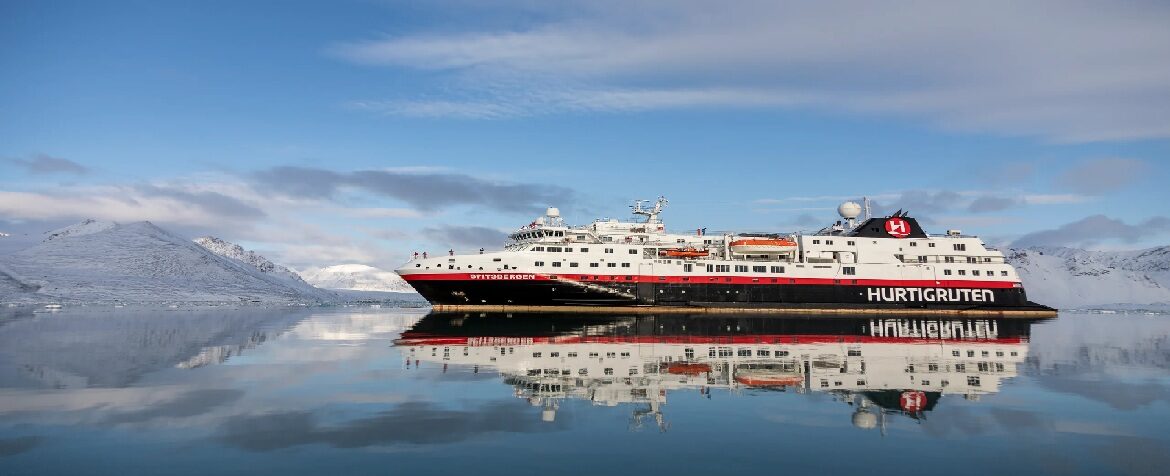

| 5 June | 9 days | Round-trip from Oslo, Norway |
450-628-6241
Call us
|
| 12 June | 11 days | Round-trip from Oslo, Norway |
450-628-6241
Call us
|
| 21 June | 14 days | Round-trip from Oslo, Norway |
450-628-6241
Call us
|
| 3 July | 11 days | Round-trip from Oslo, Norway |
450-628-6241
Call us
|
| 24 July | 11 days | Round-trip from Oslo, Norway |
450-628-6241
Call us
|
Ponant (22 Cruises)
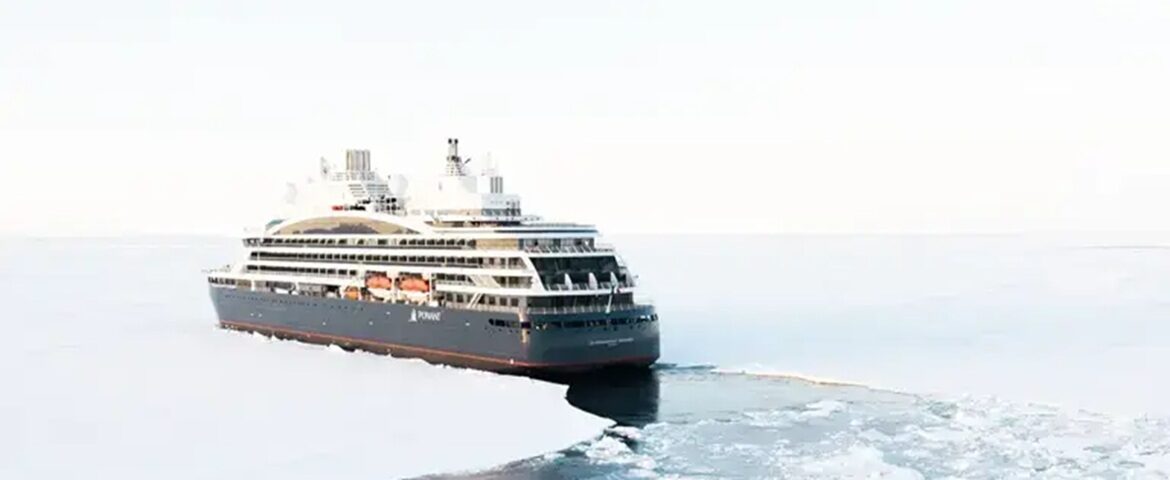
Le Commandant Charcot
4 Cruises

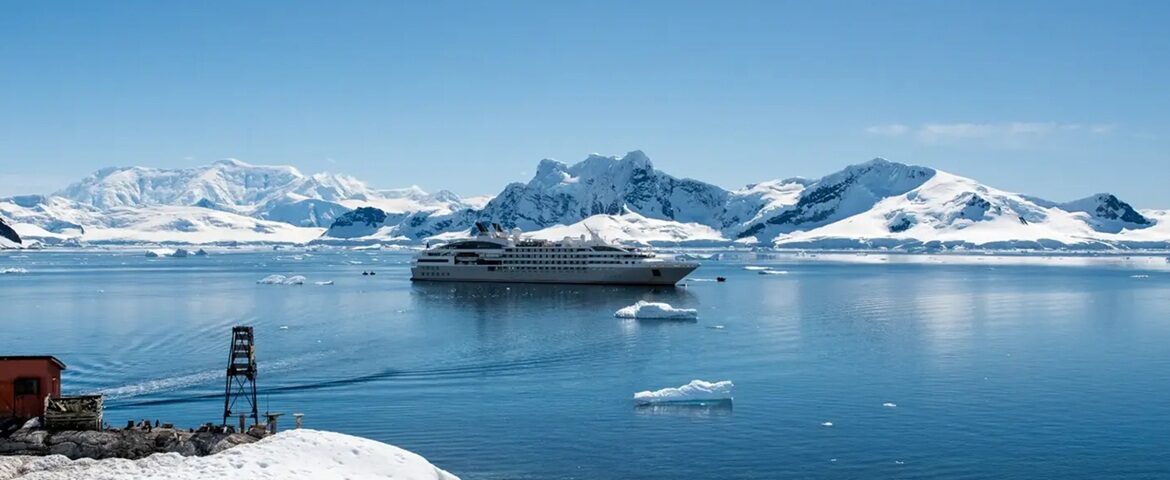
Le Lyrial
18 Cruises

Port of Ny-Ålesund, Svalbard | Cruise Port Guide
Frequently Asked Questions
One of the northernmost permanent communities on the planet, on the shore of the Kongsfjorden about 1,200 km from the North Pole. Around forty people live there year-round, all serving science or Kings Bay, the company that runs the settlement.
Almost nothing: no rows of shops, no busy terraces. There is the northernmost post office in the world, where the latitude postmark delights collectors — and where the queue is often the only one in the village.
Because the station enforces radio silence: the scientific instruments pick up signals of extreme delicacy. Wi-Fi and Bluetooth must be switched off on every device as you step ashore. This is not a formality, it is the condition of the visit.
Stay on marked paths and inside the village perimeter, never follow an animal even at a distance, and pick up nothing at all — the tundra takes decades to heal. These instructions are given to passengers before landing.
The mooring mast of the airship Norge, from which Roald Amundsen and the Italian engineer Umberto Nobile set out in 1926 to fly over the pole. It lies beyond the inhabited perimeter: Svalbard law requires an armed guide to approach it.
Ny-Alesund was born of coal. In the early 20th century miners cut frozen rock here in extreme conditions, until the operation ceased and research took over. The village now hosts scientific stations from about ten countries.
Yes, one open day and night, which you enter alone and walk at your own pace. It traces the shift from mining to science, and you leave with a better grasp of what living at 79 degrees north actually means.
Arctic terns nest near the walkways in summer and defend their territory with vigour: respect the suggested detours. Svalbard reindeer sometimes graze between the houses, entirely unbothered by visitors.
The Kongsfjorden unrolling its cold water to the glacier fronts closing the horizon, and tundra that can be observed without effort around the buildings. Under the midnight sun the light rakes the mountains for hours and every photo looks like dawn.
No, and that is what sets it apart. You do not visit it like a town, you pass through it like an outpost, aware of having set foot where the planet studies itself. The place has never bent to tourism.


