Hoorn Netherlands North Holland
209
Cruises availables
At departure or passage at this port
Avalon Waterways (8 Cruises)
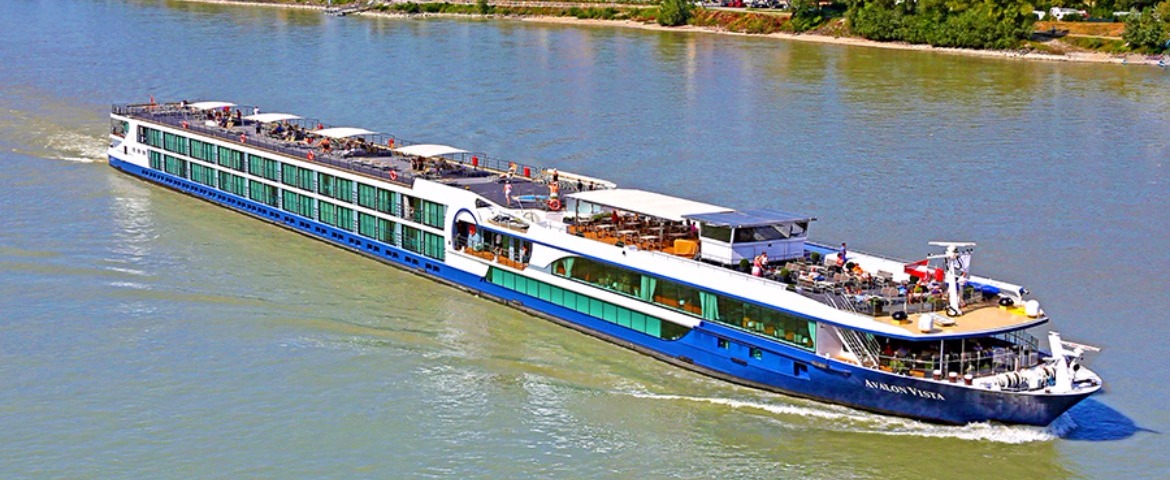
Avalon VistaSM
8 Cruises

CroisiEurope (14 Cruises)
MS Lafayette
12 Cruises


| 26 May | 6 days | Round-trip from Amsterdam, Netherlands |
450-628-6241
Call us
|
| 26 May | 5 days | Round-trip Cruise on the IJsselmeer, one of Hollands treasures |
450-628-6241
Call us
|
| 22 June | 6 days | Round-trip from Amsterdam, Netherlands |
450-628-6241
Call us
|
| 22 June | 5 days | Round-trip Cruise on the IJsselmeer, one of Hollands treasures |
450-628-6241
Call us
|
| 19 July | 6 days | Round-trip from Amsterdam, Netherlands |
450-628-6241
Call us
|
| 19 July | 5 days | Round-trip Cruise on the IJsselmeer, one of Hollands treasures |
450-628-6241
Call us
|
| 15 August | 6 days | Round-trip from Amsterdam, Netherlands |
450-628-6241
Call us
|
| 15 August | 5 days | Round-trip Cruise on the IJsselmeer, one of Hollands treasures |
450-628-6241
Call us
|

Riviera Travel (3 Cruises)

Scenic Cruises (51 Cruises)
Scenic Amber
14 Cruises

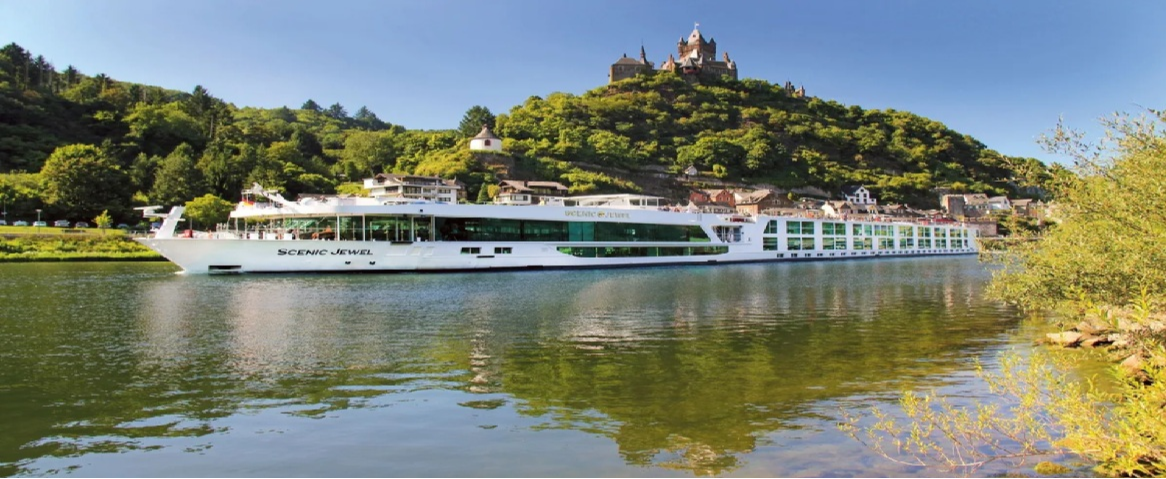
Scenic Jewel
13 Cruises
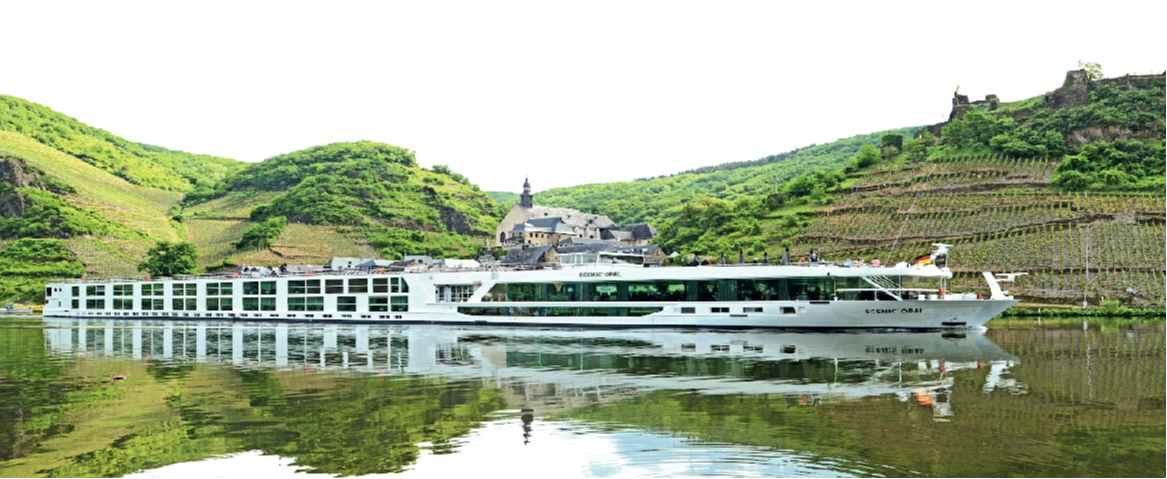
Scenic Opal
9 Cruises
| 23 March | 22 days | One-way from Budapest to Amsterdam |
450-628-6241
Call us
|
| 23 March | 21 days | One-way from Budapest to Amsterdam |
450-628-6241
Call us
|
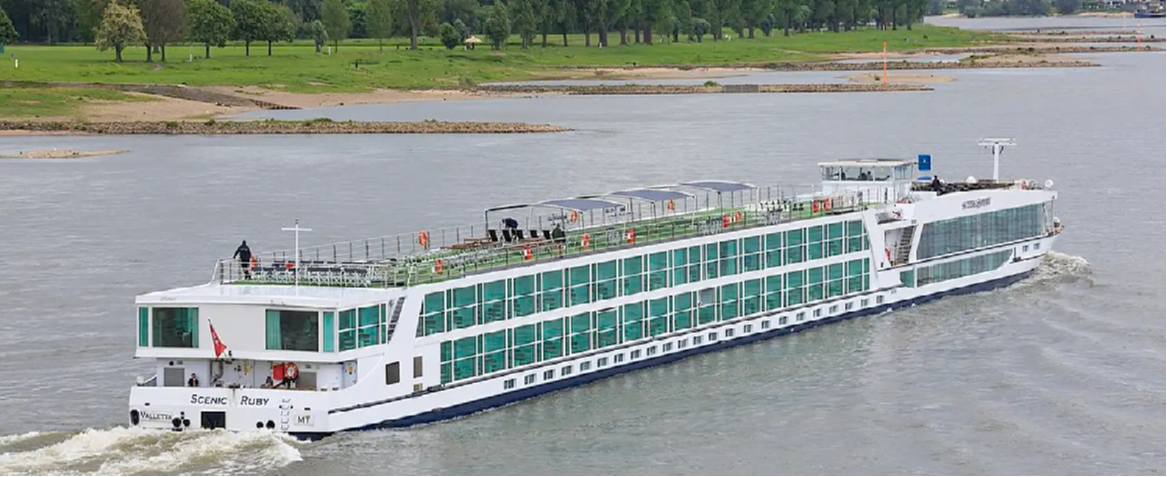
Scenic Ruby
15 Cruises
| 24 March | 21 days | One-way from Budapest to Amsterdam |
450-628-6241
Call us
|
| 24 March | 22 days | One-way from Budapest to Amsterdam |
450-628-6241
Call us
|
Viking River Cruises (133 Cruises)
Viking Longships Kvasir
117 Cruises
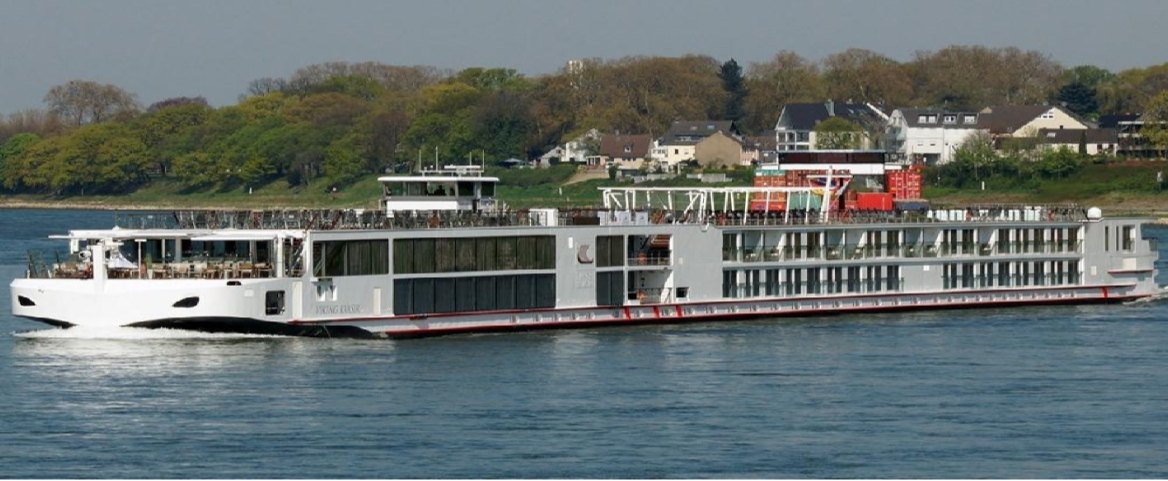

Viking Longships Magni
8 Cruises
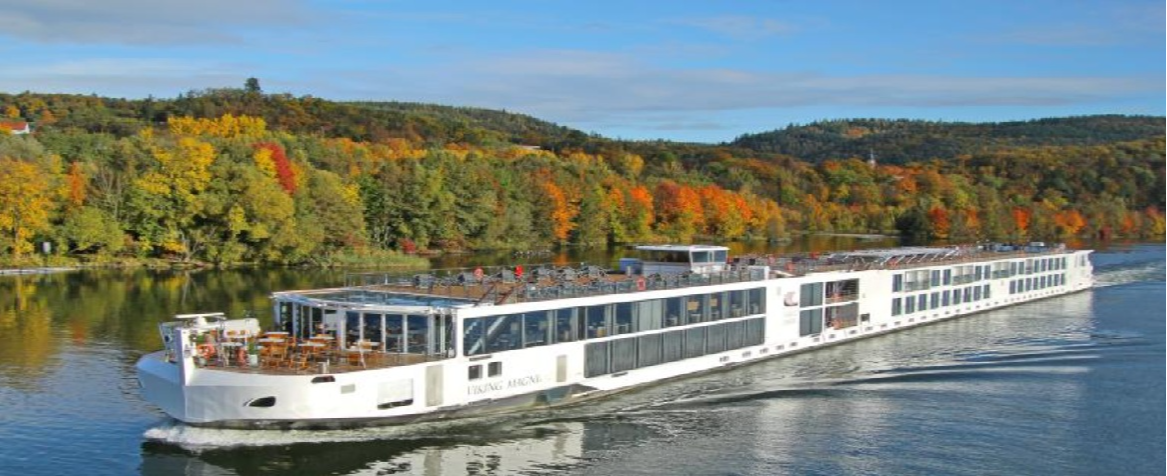
Viking Longships Mimir
8 Cruises

Port of Hoorn, Netherlands | Cruise Port Guide
Frequently Asked Questions
Right beside a remarkably intact old centre, on the IJsselmeer or the Markermeer depending on the itinerary. Ten minutes on foot separates the quay from the heart of town — everything fits in a small area.
Yes. In 1616 the navigator Willem Schouten, who sailed from here, named South America's most feared headland after his home town. That places this North Holland port, which in the seventeenth century fitted out spice fleets.
The 1532 defensive tower guarding the entrance to the Oude Haven, topped since 1651 by an elegant lantern. It is the last remnant of the harbour fortifications, and a café-restaurant now occupies the inside.
Captain Bontekoe's ship's boys, heroes of an adventure novel Dutch schoolchildren still read. Local sons themselves, they look out to sea from their plinth on the old harbour quay.
The Waag, the 1609 public weigh house, and opposite it the Westfries Museum in a heavily ornamented 1632 building. The museum shows paintings, furniture and mementoes of West Friesland's deep-sea trade.
He is a celebrated and contested figure of the Dutch colonial past: the founder of Batavia stands at the centre of Rode Steen square. A plaque now offers a more nuanced reading. The town does not dodge the debate — it displays it.
The old harbour and the Hoofdtoren, then Rode Steen square and the Westfries Museum, and finally the walk back down to the water along the Veermanskade and Bierkade, a run of warehouses and merchants' houses among the best preserved of the old Zuiderzee ports.
Yes, on certain days of the week in the centre streets. Regional cheeses take pride of place, alongside the usual flower and fish stalls.
The Markermeer, the inland sea created when the Zuiderzee was closed off in 1932. The waters that once carried East Indiamen now lead only to Amsterdam, 35 km south, but flat-bottomed sailing boats still cruise there as in the herring days.
Yes, for a straightforward call: short distances, flat ground, boats to watch and a museum about seafaring. Younger children respond mostly to the old harbour; the historic centre appeals more to adults.


