Ishinomaki Japan Miyagi

25 Cruises availables At departure or passage at this port

Seabourn Cruise Line (22 Cruises)

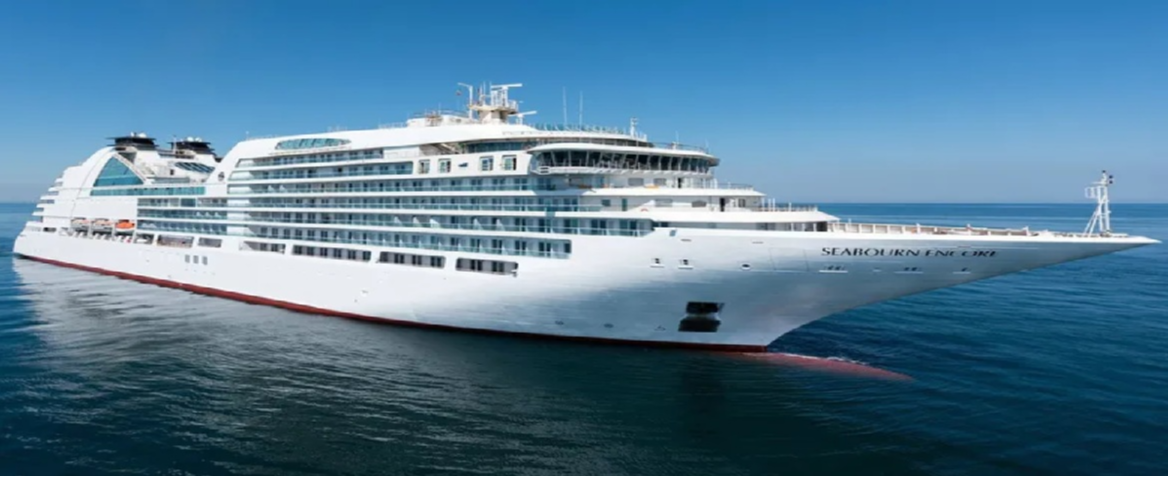
Seabourn Encore.

Seabourn Encore

40350 tons
Visit the ship's page

Port of Ishinomaki | Cruise Port Guide

Comic book heroes stand watch along the streets of Ishinomaki. Cyborg 009, Kamen Rider, and their fellow characters mark the route in bronze statues leading from the station to the river, a gift from the city to its native son Shōtarō Ishinomori, one of the masters of Japanese manga. This cheerful walk, however, crosses a city branded by tragedy: on March 11, 2011, the tsunami that struck Japan's Tōhoku coast hit Ishinomaki harder than almost anywhere else. The stop tells both stories at once, and that's exactly what makes it so powerful. Between statues, shops sell figurines and sweets bearing the heroes' likenesses; hunting for characters amuses adults and children alike.

The Mangattan Ship

On Nakaze Island, in the middle of the Kitakami River, a white saucer-shaped building houses the Ishinomori Manga Museum, nicknamed Mangattan because the little island, seen from above, reminded locals of Manhattan. Original artwork, models, and immersive galleries celebrate a prolific body of work, from crime-fighting cyborgs to children's series, and the ground-floor shop delights collectors. The place also stands as a symbol in its own right: submerged under six and a half metres of water in 2011, it reopened as early as November 2012, restored by staff and hundreds of volunteers. Superhero fans will see in it a very real-world victory.

The Memory of March 11

The city has chosen to preserve certain scars. The ruins of Kadonowaki Elementary School, scorched by the fire that followed the wave, still stand as they were at the heart of a memorial park area in Minamihama. The visit is sober, dignified, explained without melodrama; it helps convey what the sea took here, and what residents have rebuilt over fifteen years. The park's visitor pavilion presents testimonies and archival images; you go in out of curiosity and come out in silence. Many passengers later name this site as the most moving moment of their entire Japan itinerary.

Hiyoriyama, Gaining Some Height

Hiyoriyama Hill once held a castle; it served as a refuge in 2011 and today offers a sweeping view over the mouth of the Kitakami, the new rooftops, and the Pacific. In spring, its cherry trees make it one of the gentlest viewpoints on the coast; information panels compare the before-and-after landscape, and the lesson needs no further words. You can reach it by taxi or on foot, just enough time to get your bearings before heading back down to the port.

A Taste of the Sea

Ishinomaki remains one of the major fishing ports of Tōhoku, and the food reflects it: sushi counters where the morning's cut depends on the day's catch, oysters from the nearby bay, grilled fish in the lanes around the station. An early dinner or a midday bite is enough to understand why the region feeds a good share of Japan; the prices, for their part, remain those of a provincial fishing port, which only sweetens the deal.

Notes for the Stop

  • The centre lies a few kilometres from the dock; shuttles or taxis handle the connection depending on the cruise line.
  • The Ishinomori Museum closes on certain weekdays off-season; check the hours before heading over.
  • The memorial sites call for discreet dress and behaviour; residents come here to pay their respects.

You leave with a rare mix: a head full of colourful characters and a deep respect for those who rebuilt everything. The paper heroes saved no one; the residents did that themselves, and they now welcome visitors with a warmth that owes nothing to any script. Few stops in Japan strike quite so true a note.

Frequently Asked Questions

A few kilometres from the centre, in the port area. Shuttles or taxis provide the link depending on the cruise line. The heart of town, between the station and the Kitakami river, is then easy to cover on foot.
Because the city honours its native son Shotaro Ishinomori, one of the masters of Japanese manga. Cyborg 009, Kamen Rider and their kin line the route from the station to the river in bronze. Hunting down the characters amuses adults as much as children.
A white saucer-shaped building set on Nakaze island in the middle of the Kitakami river. Nicknamed Mangattan because the islet reminded locals of Manhattan, it shows original artwork, models and immersive rooms. Submerged under six and a half metres of water in 2011, it reopened as early as November 2012.
A great deal, and without melodrama. On 11 March 2011 the wave struck the city harder than almost anywhere else on the Tohoku coast. The ruins of Kadonowaki primary school, scorched by the fire that followed, stand as they were at the heart of a memorial park in Minamihama.
With discreet dress and manner: residents come here to grieve. The park's visitor pavilion presents testimonies and archive images. You go in out of curiosity and come out silent, and many passengers call it the most affecting moment of their Japanese itinerary.
A former castle site that served as a refuge in 2011 and now gives a full circle view over the Kitakami estuary, the new rooftops and the Pacific. Panels compare the landscape before and after. In spring, the cherry trees make it one of the gentlest lookouts on the coast.
Fish, very fresh. The city remains one of Tohoku's major fishing ports: sushi counters whose morning cuts depend on the auction, oysters from the neighbouring bay, grilled fish in the lanes around the station. Prices stay those of a provincial port.
Yes, but with a choice to make. The Ishinomori Museum and the statue hunt appeal to all ages. The memorial sites, by contrast, ask for a maturity young children do not yet have, and the silence they require weighs on them quickly.
Yes, its opening hours: it closes on certain weekdays out of season. Check before making the trip from the quay, or you risk finding it shut after a shuttle ride and a walk.
The Japanese yen and Japanese. The city still receives few foreign visitors and English is rare, including at the museum. Bring cash for the sushi counters and the shops around the station.