Mantua Italy

49 Cruises availables At departure or passage at this port

CroisiEurope (49 Cruises)

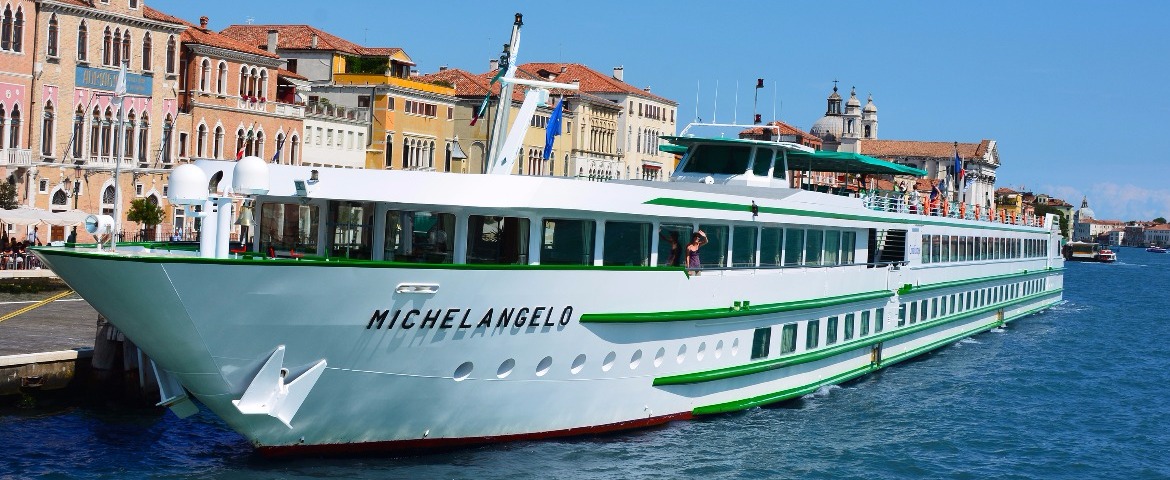
Cruise CE Croisieurope MS Michelangelo ship

MS Michelangelo

150 Passengers
Visit the ship's page

Mantua Italy | UNESCO Renaissance City Travel Guide

Mantua seems to float on the water. Three lakes, created in the 12th century by diverting the Mincio, encircle the old Lombard city, and the boat glides between water lilies before docking facing a skyline of towers, domes and battlements. Italians nickname it the Sleeping Beauty; UNESCO inscribed it on the World Heritage List in 2007, together with its neighbour Sabbioneta. Yet this sleeping beauty has a great deal to tell.

The Court of the Gonzagas

For nearly four centuries, from 1328 to 1707, a single family ruled here: the Gonzagas, collector princes who turned their small capital into a magnet for artists. Their Palazzo Ducale is not a palace, it is an entire district: some five hundred rooms, courtyards, hanging gardens and a palatine basilica linked in a labyrinth. The highlight is hidden in the Castello di San Giorgio: the Camera degli Sposi, where Mantegna painted the princely family with a realism and trompe-l'œil effects that astonished his era; the ceiling oculus, opening onto a false sky filled with mischievous cherubs, still makes every head turn upward five hundred and fifty years later.

Squares, Domes and Clocks

Leaving the palace, Piazza Sordello stretches between noble façades and the cathedral. A few steps lead to Piazza delle Erbe, the city's commercial heart, where the Rotonda di San Lorenzo, an 11th-century circular church sunk below street level, stands close to the Clock Tower with its astronomical dial. Right next door, the Basilica of Sant'Andrea, designed by Alberti, displays one of the most spacious naves of the Italian Renaissance; it holds the relic of the Precious Blood that long made the city a pilgrimage destination. Under the arcades, cafés serve espresso to regulars who cross the square by bike, shopping bags on the handlebars.

Palazzo Te, Fantasy in the Countryside

A twenty-five-minute walk, or a few minutes by bike, leads to Palazzo Te, a pleasure villa built by Giulio Romano for Federico II Gonzaga. Here, the architecture has fun: deliberately irregular columns, frescoes spilling off the walls, and the famous Chamber of the Giants, where Olympus collapses onto the visitor in a dizzying scene painted from floor to ceiling. It is one of the high points of European Mannerism, and probably the most theatrical room you can walk through on a cruise along the Po.

The Table of Princes and Boatmen

Mantua is to be tasted as much as admired. Tortelli di zucca, pasta stuffed with squash and seasoned with amaretti and fruit mustard, come straight down from Renaissance banquets. Sbrisolona, a crumbly almond cake broken by hand, has accompanied coffee for generations. On fine days, a boat trip on Lake Superiore crosses carpets of lotus flowers, a botanical curiosity introduced in the 1920s that turns the water into a floating garden in the height of summer.

Planning the Day Well

The centre can be explored entirely on foot, from the landing to the grand squares, and distances are easy for all legs. One precaution is essential, however: access to the Camera degli Sposi is limited, and tickets sell out quickly in high season; booking online or going with the ship's excursion avoids disappointment. On Mondays, several sites are closed, as is often the case in Italy. Finally, save half an hour for the shores: the promenade along Lake Inferiore offers, on the way back, the finest image of the day, that of the towers mirrored in the still water.

What the Mincio Whispers

Virgil was born in a nearby hamlet, and Verdi set his Rigoletto in these lanes: the city has inspired for two thousand years. As the lines are cast off, you watch the domes and their reflections recede, and you understand the nickname: Mantua doesn't sleep, it dreams. Travellers who have woken it one day rarely leave the banks of the Mincio indifferent.

Frequently Asked Questions

The boat glides between the water lilies of the three lakes ringing the old city and docks facing a skyline of towers, domes and battlements. The centre is entirely walkable from the landing stage, and the distances stay gentle for all legs.
Three lakes, dug in the twelfth century by diverting the Mincio, ring the old Lombard city. Italians nickname it the Sleeping Beauty; UNESCO listed it as World Heritage in 2007, together with neighbouring Sabbioneta.
It is not a palace, it is a whole district: some five hundred rooms, courtyards, hanging gardens and a palatine basilica linked in a labyrinth. It was the residence of the Gonzaga, who ruled here from 1328 to 1707 and turned their small capital into a magnet for artists.
The room where Mantegna painted the ruling family with a realism and trompe l'oeil that astonished his age, in the Castello di San Giorgio. The ceiling oculus, open onto a false sky peopled with mocking cherubs, still lifts every head five hundred and fifty years later.
Yes. Access is capped and tickets go quickly in high season. Booking online, or taking the boat's excursion, avoids disappointment.
An entirely walkable loop: piazza Sordello and the cathedral, piazza delle Erbe with the Rotonda di San Lorenzo and the clock tower, Alberti's basilica of Sant'Andrea, then Palazzo Te. Keep half an hour for the Lower Lake promenade.
A pleasure villa twenty-five minutes' walk from the centre, built by Giulio Romano for Federico II Gonzaga. The architecture plays games here: deliberately irregular columns, frescoes spilling off the walls, and the famous Room of the Giants where Olympus collapses onto the visitor.
Tortelli di zucca, pumpkin-filled pasta sharpened with amaretti and fruit mustard, descend directly from Renaissance banquets. Sbrisolona, a crumbly almond cake broken by hand, has accompanied coffee for generations.
Yes, in fine weather. A trip on the Upper Lake crosses carpets of lotus flowers, a botanical curiosity introduced in the 1920s that turns the water into a floating garden at the height of summer.
Monday: several sites close their doors, as often in Italy. If the call falls that day, fall back on the squares, the churches and the lakeside walk, which offers the finest image of the day on the way back.