Jakarta Java Indonesia
96
Cruises availables
At departure or passage at this port
Azamara Club Cruises (7 Cruises)
Azamara Pursuit
7 Cruises
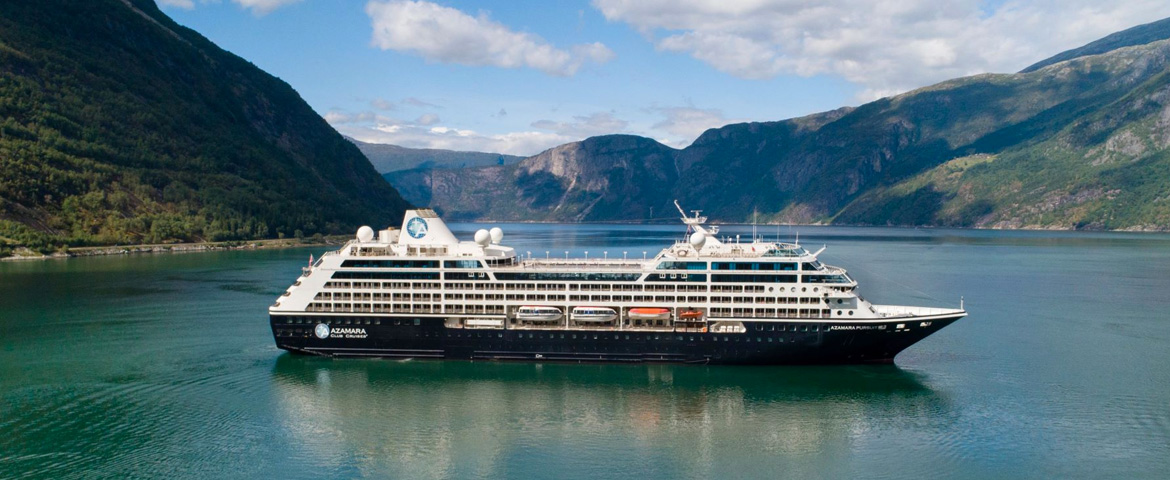

| 20 January | 35 days | One-way from Auckland to Singapore |
450-628-6241
Call us
|
| 20 January | 35 days | One-way from Auckland to Singapore |
450-628-6241
Call us
|
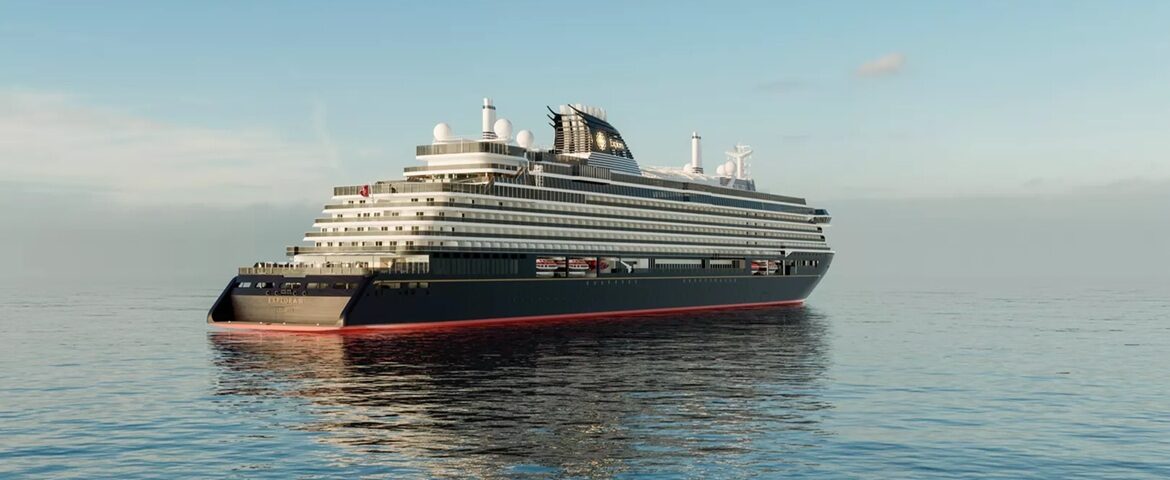
Explora Journeys (1 Cruises)

Oceania Cruises (38 Cruises)
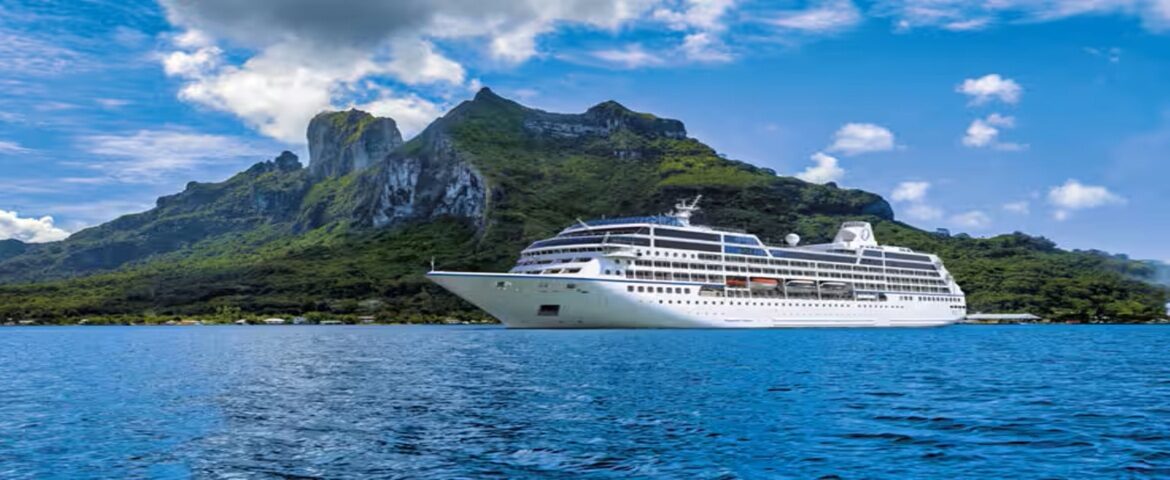

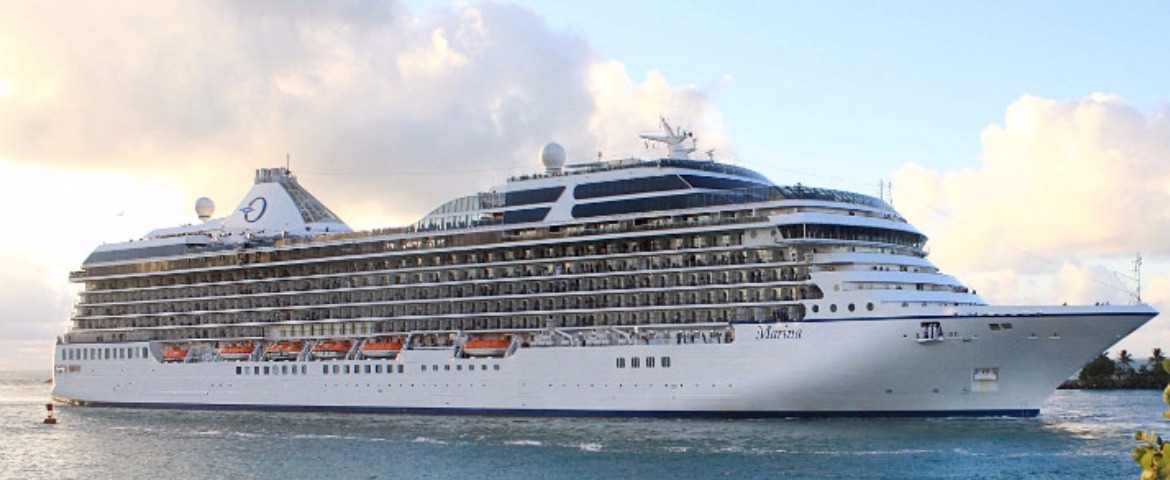
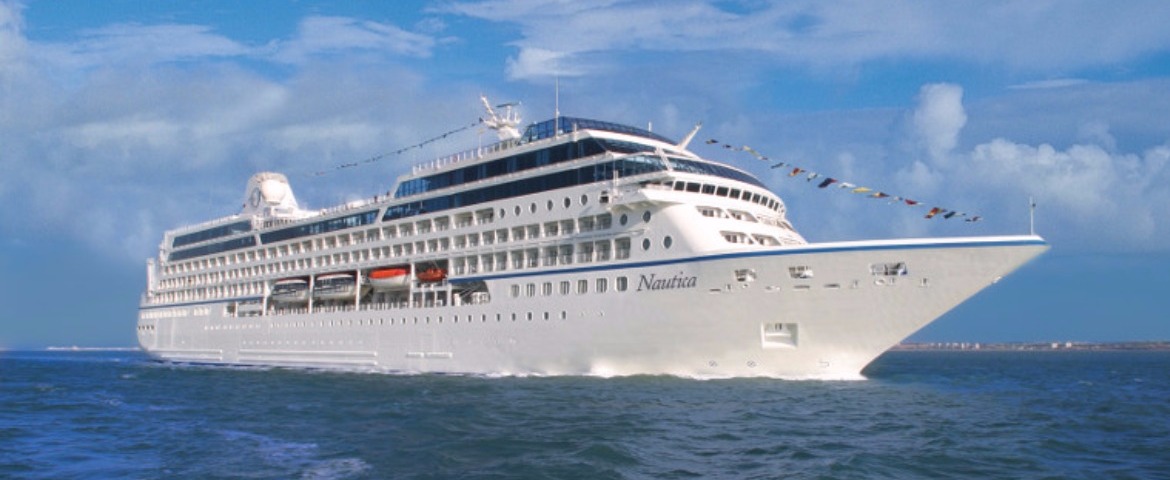
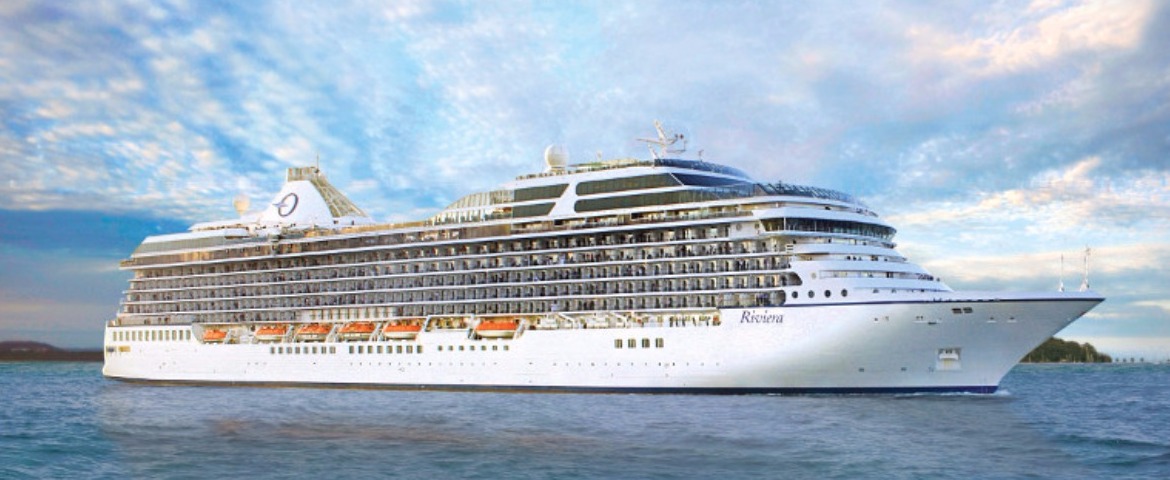
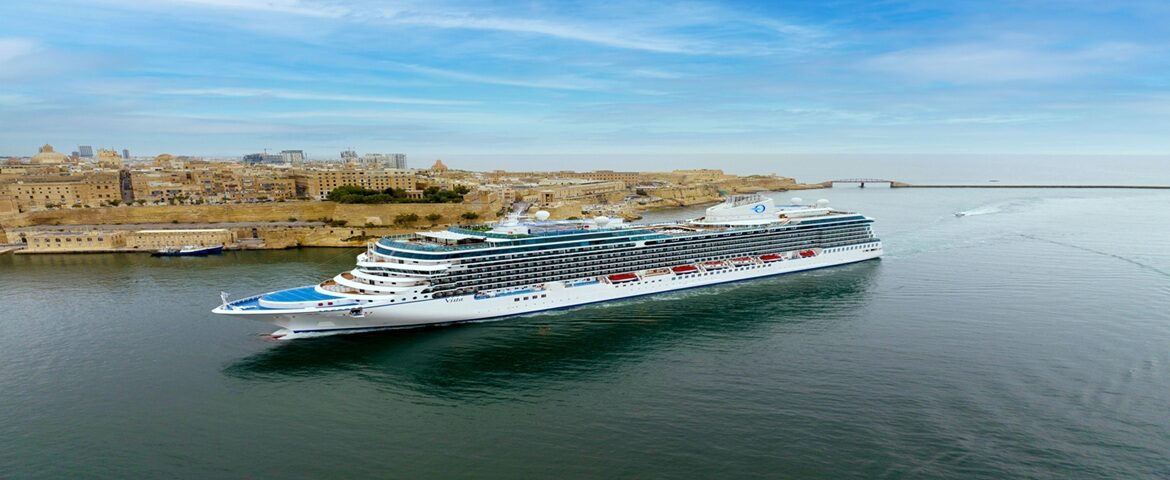
Oceania Vista
13 Cruises
| 6 January | 180 days | One-way from Miami to Southampton |
450-628-6241
Call us
|
| 6 January | 244 days | One-way from Miami to New York |
450-628-6241
Call us
|
Regent Seven Seas Cruises (46 Cruises)
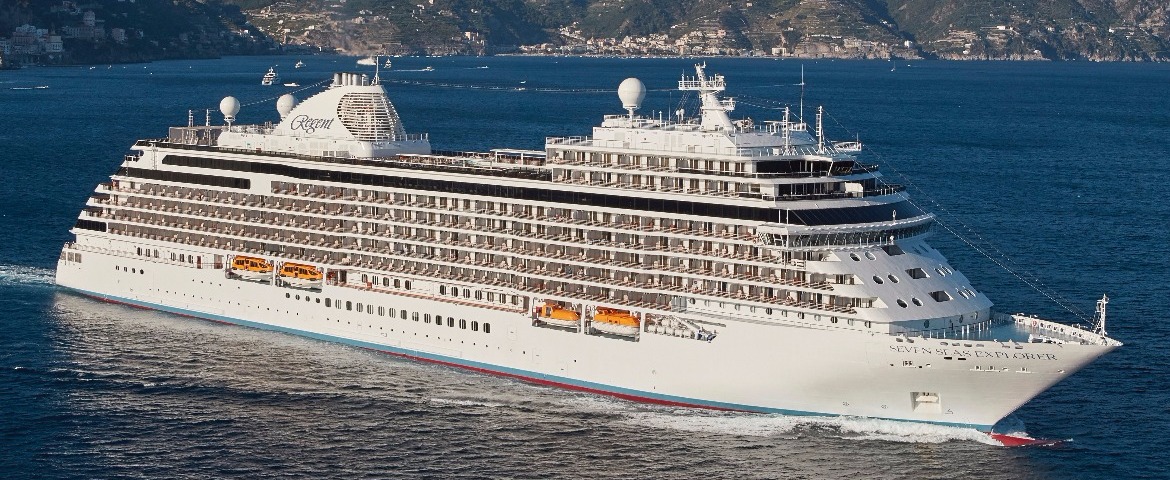
Seven Seas Explorer
14 Cruises

Seven Seas Mariner
13 Cruises
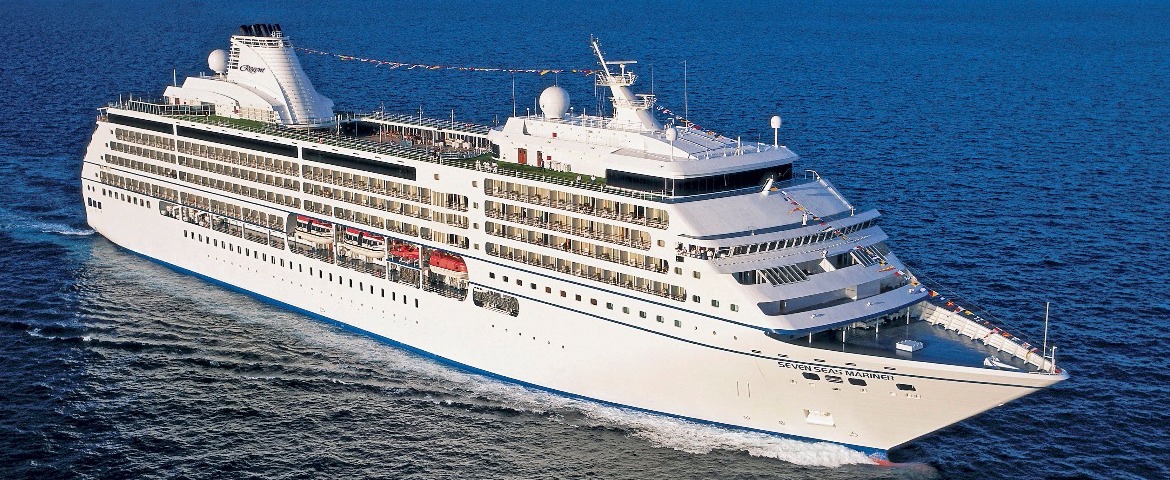
| 19 February | 69 days | One-way from Sydney to Cape Town |
450-628-6241
Call us
|
| 19 February | 69 days | One-way from Sydney to Cape Town |
450-628-6241
Call us
|
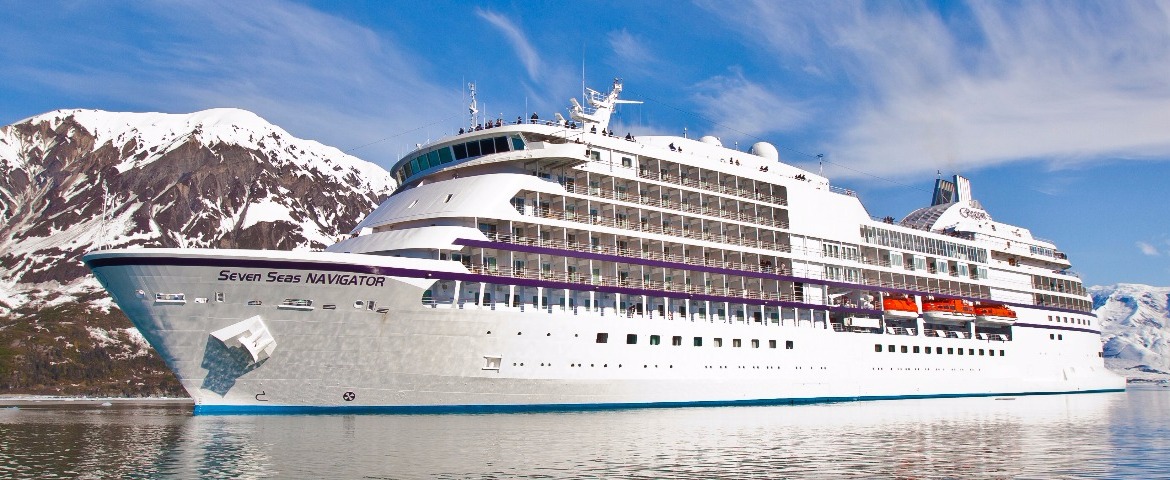
Seven Seas Navigator
5 Cruises
Seven Seas Splendor
14 Cruises
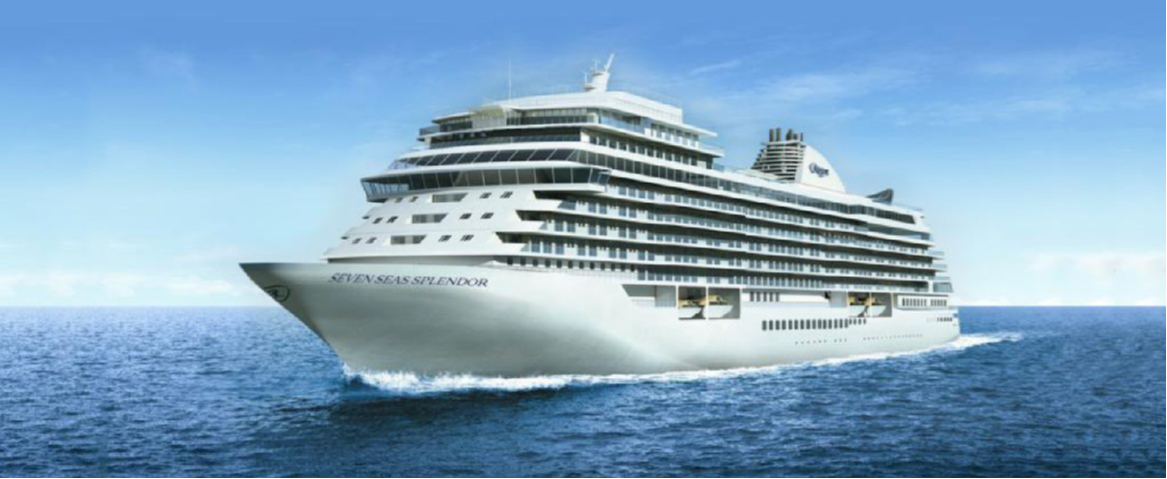
| 6 January | 133 days | Round-trip from San Francisco, USA |
450-628-6241
Call us
|
| 6 January | 140 days | One-way from San Francisco to Vancouver |
450-628-6241
Call us
|
| 5 March | 21 days | One-way from Melbourne to Singapore |
450-628-6241
Call us
|
| 5 March | 21 days | One-way from Melbourne to Singapore |
450-628-6241
Call us
|
Viking Ocean Cruises (4 Cruises)


Port of Jakarta | Cruise Port Guide
Frequently Asked Questions
At Tanjung Priok, a vast industrial port area about 12 km from the centre. You leave by shuttle or taxi, and traffic means allowing plenty of time: often thirty to forty-five minutes to reach the old quarters.
No. Tanjung Priok is an industrial zone with nothing to see nearby. You need a shuttle, a taxi or a local ride-hailing app to reach the city, and Jakarta's traffic is the stuff of legend.
Kota Tua and Sunda Kelapa, and nothing else. The two sites are neighbours, they tell the story of the city's birth, and they fit into half a day including travel. Adding Monas and the National Museum requires a long call.
The heart of old colonial Batavia. Around Fatahillah Square, the 1710 city hall houses the Jakarta History Museum, and the Wayang Museum displays Javanese shadow puppets. Families rent brightly coloured bicycles here; Café Batavia serves coffee in a setting barely changed in a century.
Jakarta's old harbour basin, where pinisi — high-prowed wooden schooners — still load cargo for the islands of the archipelago. Dockers, plank gangways, hand-painted hulls: it was from this anchorage, in use centuries before the Europeans arrived, that the whole metropolis grew.
Yes, a lift reaches the observation deck if the queue allows. The National Monument raises its gilded flame 132 metres above Merdeka Square. Visitors short on time often settle for the view from the esplanade, which is impressive enough.
Nasi goreng at any hour, satay grilled over charcoal, gado-gado with peanut sauce, and the Sumatra and Sulawesi coffees that local roasters now serve with real pride. Glodok, the Chinatown, adds its herbalists and incense-filled temples.
The Indonesian rupiah. Malls, hotels and restaurants take cards without trouble, but street purchases, taxis and tips are cash. Bring small notes.
Have the fare confirmed before setting off, or use the local ride-hailing apps, which are simpler and leave nothing to discuss. Above all, allow a generous margin for the return to the ship: traffic is unpredictable at any hour.
Moderately. The noise, the humid heat and the long drives tire children quickly. Kota Tua, with its rental bicycles and wide paved square, works better than the rest; the air-conditioned malls offer a cool break that nobody here judges you for taking.


