Motihari India

174 Cruises availables At departure or passage at this port

Scenic Cruises (74 Cruises)

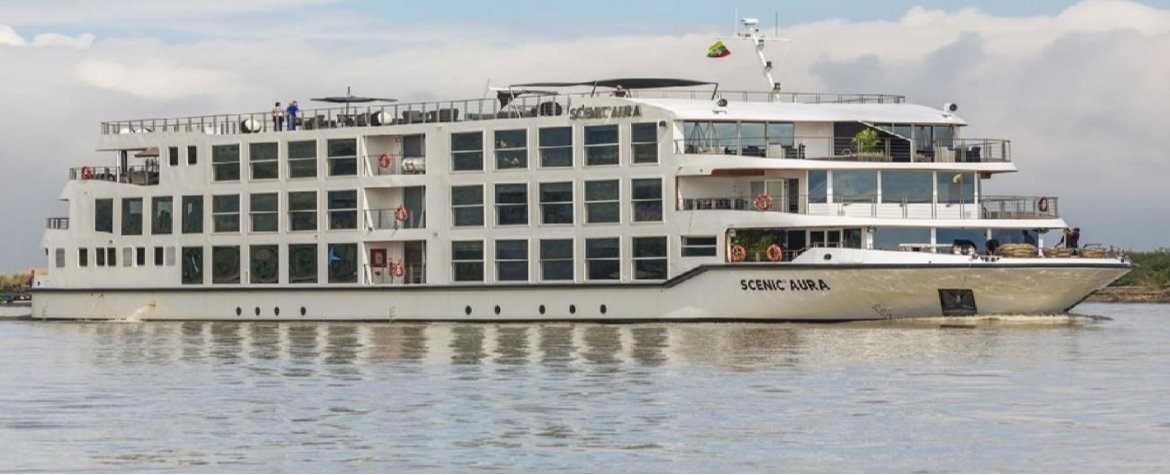
Scenic Aura.

Scenic Aura

44 Passengers
Visit the ship's page

Uniworld Boutique River Cruise (100 Cruises)

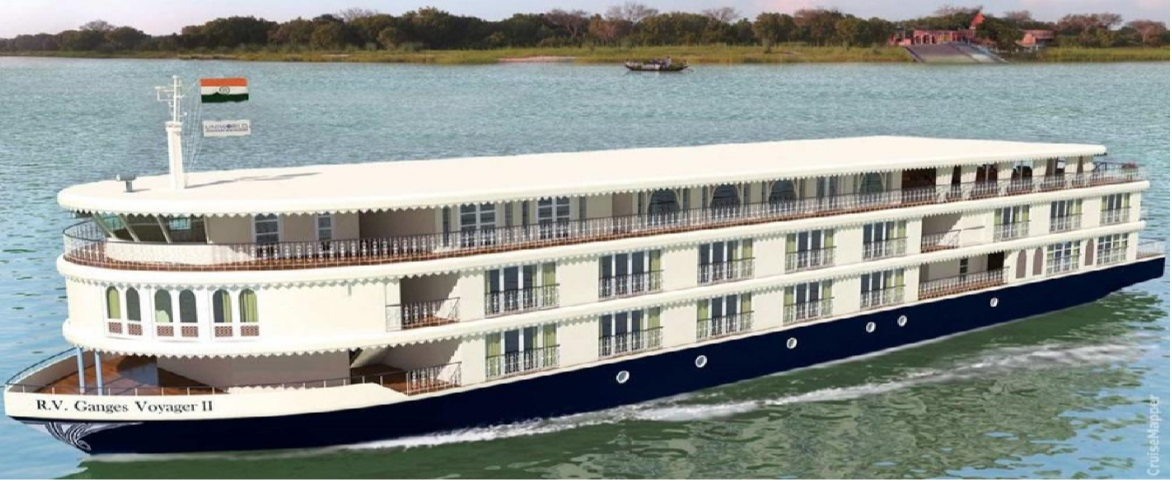
Ganges Voyager II.

Ganges Voyager II

92 Passengers
Visit the ship's page

Motihari, India | Cruise Port Guide

Motihari borders no sea. This town in Bihar, in the heart of the Gangetic plain and at the distant foot of the Himalayas, is reached by road, and travellers who stop here come looking for something other than a waterfront: two names, two memories, which intersect here in an unexpected way. George Orwell was born here. Gandhi launched his first great struggle here. Few places this size can say as much.

The district is called East Champaran, a name that resonates throughout India: it was here, in 1917, that the Mahatma first tested the nonviolent resistance that would change the century.

George Orwell's Birthplace

Eric Blair was born in Motihari in 1903, the son of a British official in the opium department. The world would know him by his pen name, George Orwell. The modest colonial quarters where he was born, long left abandoned, have been restored and converted into a museum. You discover the bungalow with its whitewashed walls, the neighbouring warehouse, and panels tracing the unlikely link between this small Bihar town and the author of 1984. Western visitors are welcomed with warm curiosity: many locals are proud of this famous son whom the West comes looking for right on their doorstep.

In the Mahatma's Footsteps

Ten minutes away by road, the Gandhi Museum holds photographs, documents and objects from the Champaran Satyagraha, the 1917 movement in which peasants, forced to grow indigo for British planters, found a spokesman in Gandhi. A memorial pillar designed by the painter Nandalal Bose marks the site. Very close to the Orwell museum, Satyagraha Park extends this memory with its shaded paths and statuary. Walking from one site to the other means crossing the precise moment when modern India began to rise. Local guides gladly recount the 1917 trial, when Gandhi refused to leave the district and turned his court appearance into a platform.

Moti Jheel, a Break by the Water

The body of water that gives the town its name — jheel means lake — stretches through the centre. Locals come to walk in the cool at the end of the day, waterbirds stop over, and the shore offers the best vantage point on local life: tea vendors, schoolchildren in uniform, overloaded rickshaws. The remains of Indo-Mughal architecture near the shore add a touch of age to the scene. Nothing is staged for visitors, and that is exactly what gives it its charm.

The Kesariya Stupa, for Longer Stops

Fifty-two kilometres from town stands the Kesariya Stupa, often presented as the tallest in the world. Its brick terraces, of very ancient origin, rise from the countryside like a built hill. The site, still little visited, lies on the road linking Bihar to the great places of Buddhism, and the round trip takes a good half day: best reserved for itineraries that allow the time. On site, you walk around the monument on a dirt path, often alone with the goats and the wind.

Everywhere, the welcome surprises with its simplicity: you are far from the well-worn circuits here, and every impromptu conversation is worth a guided tour. You leave Motihari without spectacular photographs, but with something more lasting: the feeling of having touched two threads of 20th-century history, tied together in a small town on the Gangetic plain that almost no one can place on a map. Those who have been there, however, never forget it.

Frequently Asked Questions

No. Motihari has no coast: this town in Bihar, in the heart of the Gangetic plain, is reached by road. Travellers who stop here come for two memories that intersect unexpectedly, not for a waterfront.
For two names. George Orwell was born here, and Gandhi launched his first great campaign here. Few towns this size can say as much, and the two sites are ten minutes apart.
Yes. Eric Blair was born here in 1903, the son of a British official in the opium department; the world would know him by his pen name. The modest colonial quarters of his birth, long left derelict, have been restored and turned into a museum.
The whitewashed bungalow, the warehouse beside it, and panels tracing the improbable link between this Bihari town and the author of 1984. Western visitors are met with warm curiosity: many residents are proud of the famous son that outsiders come this far to find.
The 1917 movement in which the district's peasants, forced to grow indigo for British planters, found a voice in Gandhi. It was here that the Mahatma first tested the non-violent resistance that would change the century.
Photographs, documents and objects from the Champaran Satyagraha, ten minutes' drive from the Orwell museum. A commemorative pillar designed by the painter Nandalal Bose marks the site, and the nearby Satyagraha park continues the memorial.
The stretch of water that gives the town its name — jheel means lake — spreading through the centre. Residents come to walk here in the cool of the evening, water birds stop over, and remnants of Indo-Mughal architecture survive near the shore.
On the lakeshore, which offers the best vantage point: tea sellers, uniformed schoolchildren, overloaded rickshaws. Nothing is staged for visitors, and that is precisely its charm.
A brick stupa 52 kilometres from town, often described as the tallest in the world, with very ancient origins. Still little visited, it stands on the route linking Bihar to the great Buddhist sites. You walk around the monument on a dirt path, often alone with the goats and the wind.
Allow a good half day there and back from Motihari. It is an outing for itineraries with time to spare; otherwise concentrate on the Orwell and Gandhi museums and the lake.