Mayapur India

174 Cruises availables At departure or passage at this port

Scenic Cruises (74 Cruises)

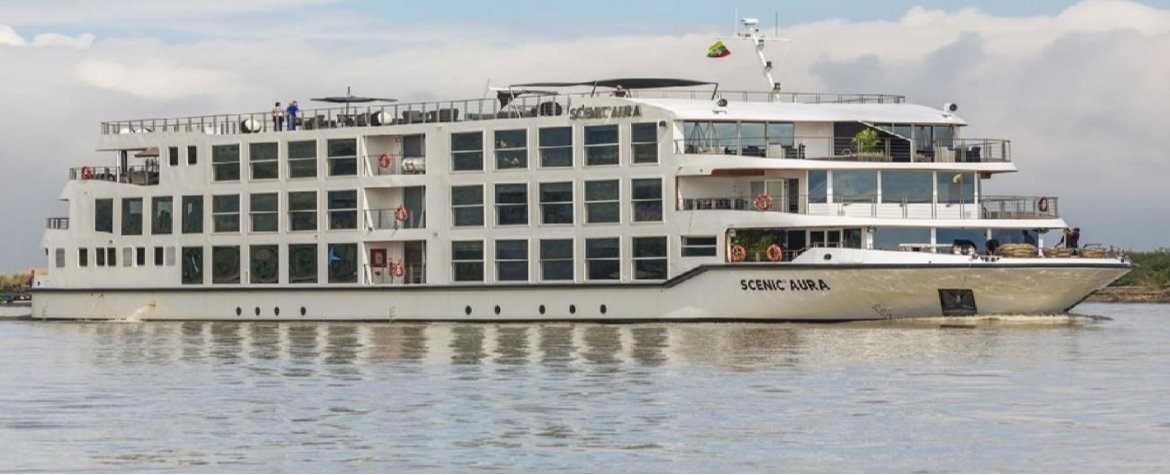
Scenic Aura.

Scenic Aura

44 Passengers
Visit the ship's page

Uniworld Boutique River Cruise (100 Cruises)

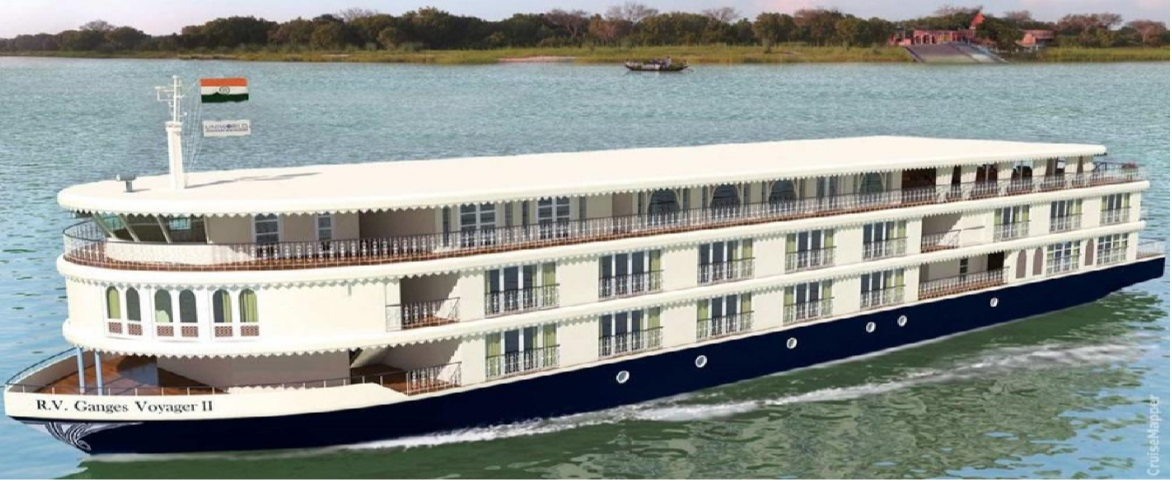
Ganges Voyager II.

Ganges Voyager II

92 Passengers
Visit the ship's page

Mayapur, India | Cruise Port Guide

Long before the riverbank, it is the chanting that arrives: kirtans carried across the water, drums and cymbals mingling with the lapping of the Ganges. Then the domes rise from the Bengal plain, and the most imposing of them, bluish, seems to watch over thousands of pilgrims on the move. Mayapur, some 130 kilometres north of Kolkata, at the confluence of the Bhagirathi and the Jalangi, is not a port of call like the others: it is one of the great holy places of Vaishnava Hinduism, and one of the few that a river ship lets you approach by water, as pilgrims once did.

The City of Chaitanya

Everything here relates to Chaitanya Mahaprabhu, a saint and reformer born in 1486, whom his followers revere as an incarnation of Krishna. It was he who made the collective chanting of divine names a spiritual path in its own right, and this practice still resonates on every street corner. The Yogapith shrine commemorates his birthplace beneath a slender temple surrounded by gardens. You immediately grasp the particular fervour of Bengal: neither spectacular nor austere, but constant, woven into everyday gestures.

ISKCON's World Headquarters

Mayapur is home to the headquarters of the International Society for Krishna Consciousness, founded in 1966, and its campus is like a city: temples, schools, guesthouses, dining halls, gardens. The Chandrodaya Mandir temple, at the centre, ranks among the largest Hindu places of worship ever undertaken, and its main dome can be seen for kilometres around. More than a million visitors and pilgrims come here every year, from all over India and from five continents; crossing paths in the same alley with a family from Rajasthan, Russian devotees and Bengali monks is part of the experience.

Letting the Campus Carry You

The visit requires no elaborate itinerary. You follow the flow: halls where worshippers chant before the altars of Radha and Krishna, the pilgrims' bazaar piled with flower garlands, books and milk sweets, and the flower gardens tended by the community. Visitors are welcomed with genuine hospitality, provided they respect the codes: shoulders and knees covered, shoes left at the entrance to shrines, discretion during ceremonies. The vegetarian meals served to all, simple and fragrant, rank among the best memories you can take away from here.

Nabadwip, the Other Bank

Opposite, on the far bank, the old city of Nabadwip was one of the great centres of Sanskrit scholarship in Bengal and remains inseparable from the memory of Chaitanya. Local boats shuttle between the two banks, loaded with worshippers, bicycles and baskets. If the port call program allows, this crossing of a few minutes is worthwhile: it offers the finest view of the confluence and takes you, with a stroke of the oar, from the large modern campus to the ancient lanes where temples hide behind the stalls.

The River as a Common Thread

From the ship's deck, the show goes on: ghats where people bathe at sunrise, buffalo led to the water, domes gliding slowly behind the banana groves. The Ganges is not a backdrop here, but the main character, the one that gave birth to the cities, fairs and shrines of this plain.

Returning on Board Changed

You don't leave Mayapur with photographs alone. You take away a rhythm — that of the drums heard from the approach — and a question that accompanies you long down the river: what has drawn so many people, for five centuries, to this quiet bend in Bengal? Ports of call that leave a question are often worth more than those that give all the answers.

Frequently Asked Questions

About 130 kilometres north of Kolkata, at the confluence of the Bhagirathi and the Jalangi. It is one of the few major Hindu holy places reached by water, as pilgrims once arrived: river ships tie up at the bank, at the foot of the campus.
Because everything here refers to Chaitanya Mahaprabhu, a saint and reformer born in 1486 whom his followers revere as an incarnation of Krishna. He made collective chanting of the divine names a spiritual path in its own right, and the practice still resounds on every street.
The slender temple, set in gardens, marking Chaitanya's birthplace. It conveys at once the particular devotion of Bengal: neither spectacular nor austere, but constant, woven into ordinary gestures.
The world headquarters of the International Society for Krishna Consciousness, founded in 1966. The campus is a small city: temples, schools, guest houses, refectories and gardens. More than a million visitors and pilgrims pass through each year, from across India and from five continents.
The central temple of the campus, among the largest Hindu places of worship ever attempted. Its bluish main dome is visible for kilometres and rises out of the Bengal plain long before the ship reaches the bank.
Without an elaborate plan: follow the flow. The halls where devotees chant before the altars of Radha and Krishna, the pilgrims' bazaar stacked with flower garlands, books and milk sweets, the gardens tended by the community. The visit runs to the rhythm of the chanting, not to a timetable.
Shoulders and knees covered, shoes left at the entrance to shrines, quiet during ceremonies. Visitors are welcomed with real hospitality, provided the customs are respected — Mayapur is first of all a pilgrimage site.
Yes, vegetarian meals are served to everyone, simple and fragrant. They rank among the best memories people bring back from this call, and they are as much part of the experience as the temples.
The old town on the far bank, one of Bengal's great centres of Sanskrit learning and inseparable from Chaitanya's memory. Local boats shuttle between the two shores, loaded with worshippers, bicycles and baskets.
Yes, if the call's programme allows. It gives the finest view of the confluence and takes you, in one crossing, from the large modern campus to old lanes where temples hide behind the shopfronts.