Kolkata Calcutta, India
174
Cruises availables
At departure or passage at this port
Scenic Cruises (74 Cruises)
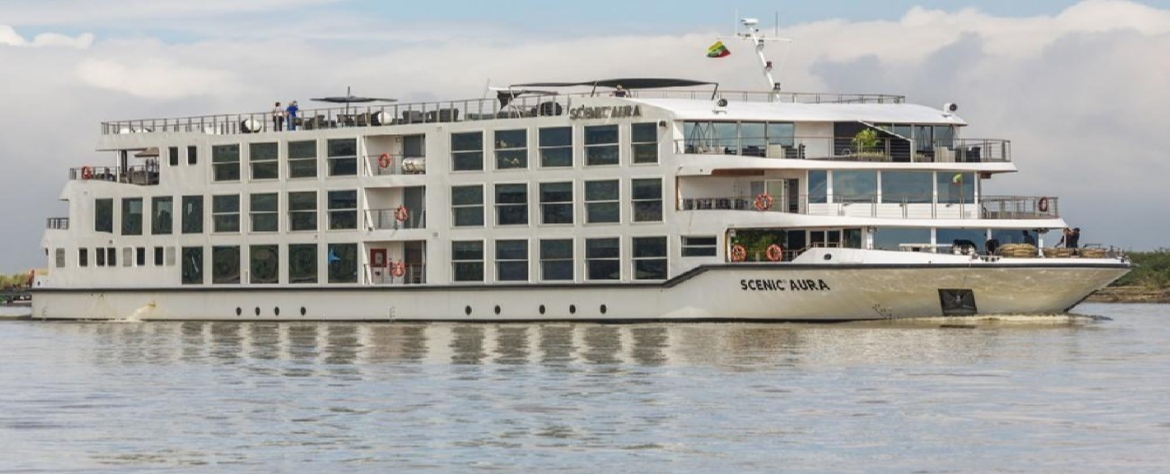
Scenic Aura
74 Cruises

Uniworld Boutique River Cruise (100 Cruises)
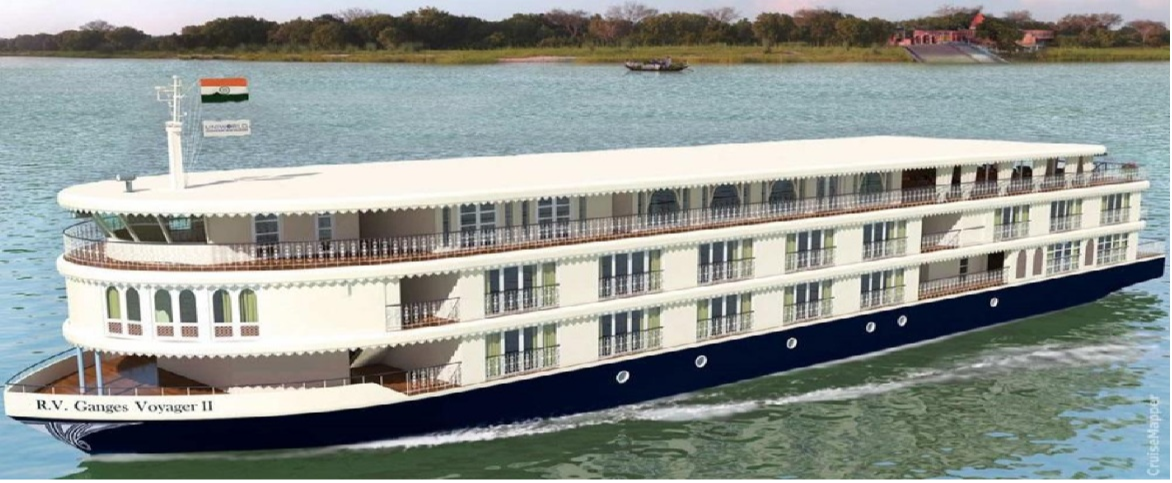
Ganges Voyager II
100 Cruises

Port of Kolkata, India | Cruise Port Guide
Frequently Asked Questions
At the Khidderpore docks, opened in the late nineteenth century, in the oldest working port in India. First comes a run of some two hundred kilometres upriver: the Hooghly, the western arm of the Ganges delta, carries ships to the city.
Because you step straight into the former capital of British India, now the country's great intellectual and artistic centre. It jostles you, moves you and argues with you — few Asian calls leave such a contrasted impression.
A group of white marble domes south of the Maidan, the vast central park, completed in 1921 in the queen's memory. It houses a museum on the history of the city and the colonial period, surrounded by pools and well-kept lawns.
The whole nineteenth century: law courts, an Anglican cathedral and colonnaded clubs, in a state of patina that gives the district its character. Nothing looks restored for the camera, and that is exactly what moves visitors. Boys play cricket in the shade of the banyans.
The huge cantilevered steel structure flung across the Hooghly, and the image that best sums up Kolkata. Pedestrians loaded with bundles, yellow buses, fruit porters and streams of workers cross it from dawn to dusk, in a din of horns that has become part of the scene.
The market at the foot of the Howrah Bridge, overflowing with marigold garlands that wholesalers trade by the armful from first light. It is one of the strongest scenes in all of cruising Asia, free and permanent — worth more than any monument.
The booksellers' street, where volumes are stacked along kilometres of pavement, around cafés in which students have been remaking the world for generations. Kolkata claims to be a land of poets and booksellers, home of Tagore, Asia's first Nobel laureate in literature.
The sculptors' quarter to the north, where craftsmen shape the idols of the great Hindu festivals from river clay. The workshops open onto the street and hundreds of goddess figures dry under the awnings. It is an open-air studio visit, not a museum.
Yes, in some districts: Kolkata's trams are among the oldest in Asia and still rattle along. A ride in one of these worn carriages remains a very local way to feel the city's pulse.
Choose two or three places, no more: distances look short on the map, but traffic demands patience. One sequence that works: the flower market and Howrah Bridge in the cool of the morning, the Victoria Memorial next, then College Street or Kumartuli. Finish with boiled milk tea in a clay cup, drunk standing up.


