Kalna India

174 Cruises availables At departure or passage at this port

Scenic Cruises (74 Cruises)

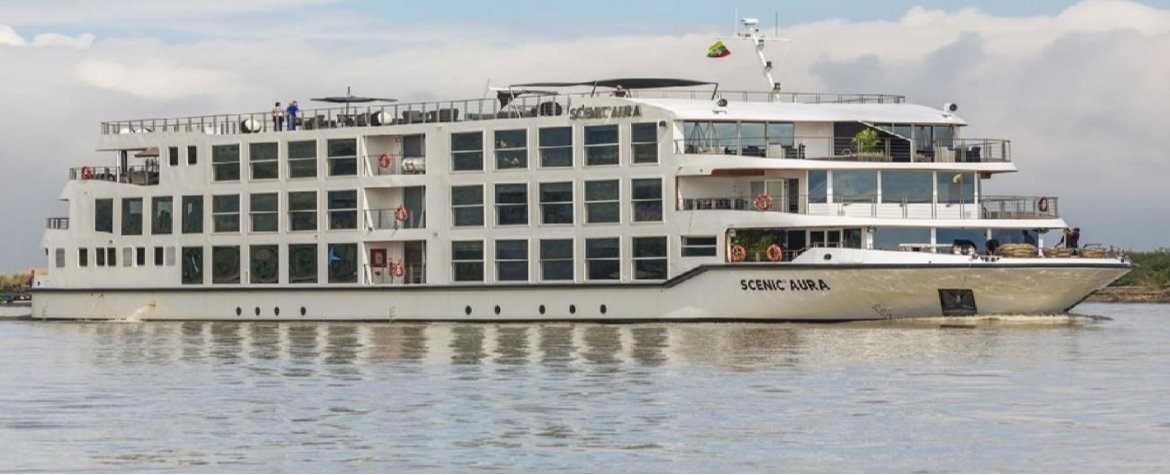
Scenic Aura.

Scenic Aura

44 Passengers
Visit the ship's page

Uniworld Boutique River Cruise (100 Cruises)

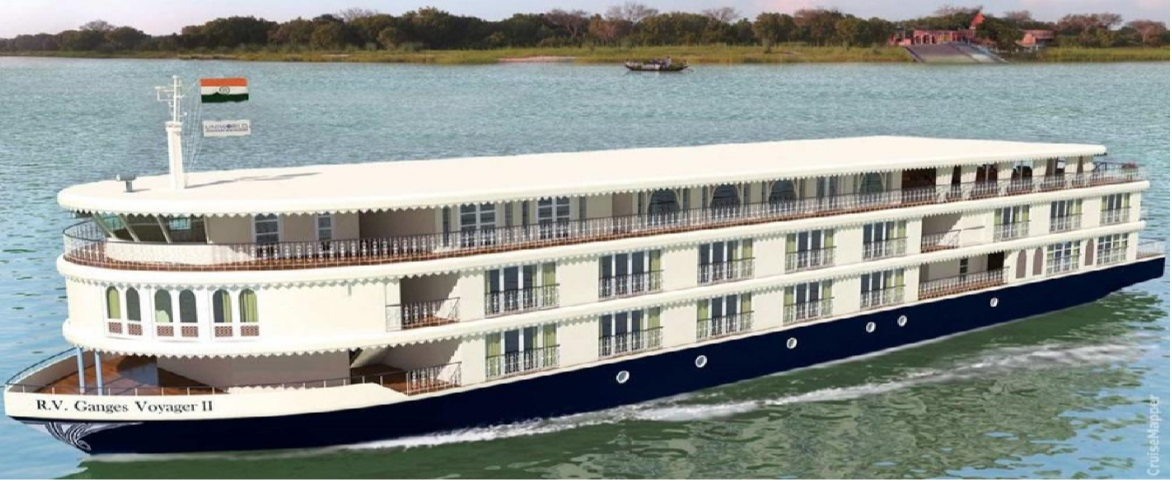
Ganges Voyager II.

Ganges Voyager II

92 Passengers
Visit the ship's page

Kalna | Cruise Port Guide

The electric rickshaw leaves the bank of the Hooghly, weaves between vegetable stalls and bicycles loaded with jute, then rounds a corner onto a sight nothing had foretold: one hundred and eight temples arranged in two perfect circles. Kalna, a rural town in West Bengal, is home to one of India's most distinctive religious complexes, and river ships sailing up the Ganges make a stop here that few land tours ever reach. Arriving by water adds to the sense of discovery: you come ashore on a bank where water buffalo bathe beside fishing boats, before diving into the bustle of the lanes.

The One Hundred and Eight Temples of Shiva

Built in 1809 by the Maharaja of Bardhaman, the complex lines up 74 shrines on its outer circle and 34 on the inner one, each crowned with the same curved roof inspired by Bengali huts. The number is no accident: one hundred and eight is the count of beads on a Hindu prayer rosary, and devotees who walk the full circuit of the complex tell their prayer bead by bead as they go. From the centre, every doorway lines up, and the eye travels from one altar to the next in a geometry that soothes as much as it impresses. Priests still conduct worship here, amid the scent of hibiscus flowers laid at the foot of black and white stone lingams.

The Rajbari Quarter

Across the way, behind an enclosing wall, the former princely estate gathers several eighteenth- and nineteenth-century temples covered in carved terracotta, some bristling with multiple turrets in the Bengali style. This is where the region's craftsmanship truly shines: each façade reads like a clay comic strip unfolding scenes from the Ramayana, trading ships, musicians, hunters, and farmers at work. Visitors move on foot from one building to the next, guided by caretakers who point out the best-preserved panels, and photography enthusiasts happily lose track of time here. The details reward a slow pace: a dancer here, a parrot there, a moustached soldier elsewhere.

The Life of a Bengali Town

Between monuments, Kalna gets on with its day, unconcerned with its treasures. Schoolchildren in uniform cross the lanes laughing on their way to class, barbers work beneath the trees, women hang freshly dyed saris out to dry like flags. The market overflows with river fish, mountains of turmeric, and garlands of marigolds destined for the evening offerings. The rickshaw ride, included in most stops, carries passengers through this everyday life at eye level, slowly enough to trade greetings and receive ten invitations for tea. The sweet shop windows display their curd-based confections, and it would be a shame to leave without tasting one, Bengal treats sweet-making as a major art form.

The River as the Common Thread

Heading back to the landing, the riverbank tells its own story: bathers performing their ablutions, fishermen hauling in their nets, neighbourhood temples where a conch shell sounds. The Hooghly, a sacred arm of the Ganges, has remained the backbone of the region for centuries; European trading posts rose and fell along it, goods passed through it, and every village it runs past owes its existence to it. Kalna is no exception: its maharajas built facing the water, and it's from the water that it's best understood.

Heading back aboard, the memory that lingers isn't of a single monument, but of a hidden order: two circles of stone set amid the rice fields, a prayer rosary built on the scale of a kingdom. Rural India still knows how to surprise those who take the time to follow it along the water, and this stop offers quiet proof of that.

Frequently Asked Questions

Against the bank of the Hooghly, where buffalo bathe beside fishing boats. From there an electric rickshaw runs into the heart of the town, threading between vegetable stalls and bicycles loaded with jute.
A set unique in India: 108 Shiva shrines laid out in two perfect circles, 74 on the outer ring and 34 on the inner one, each capped with the same curved roof inspired by Bengali huts. The maharaja of Bardhaman built it in 1809.
Because one hundred and eight is the number of beads on a Hindu prayer rosary: a devotee walking the full circuit tells the prayer step by step. From the centre, every doorway lines up and the eye runs from altar to altar in a geometry as calming as it is impressive.
Yes. Priests still perform the rites there, amid the scent of hibiscus flowers laid at the foot of black or white stone lingams. This is not an archaeological site but a working place of devotion.
The former princely estate, facing the 108 temples behind an enclosure wall. It gathers several eighteenth- and nineteenth-century temples covered in carved terracotta, some bristling with multiple turrets in the Bengali manner.
Each façade reads like a comic strip in clay: scenes from the Ramayana, ships, figures at work. The details reward slowness — a dancer here, a parrot there, a moustachioed soldier further along. The caretakers happily point out the best-preserved panels.
On foot between the temple buildings, and by rickshaw to and from the riverbank. The rickshaw ride, included in most calls, crosses the town's daily life at eye level, slowly enough to exchange greetings and collect ten invitations to tea.
It is that of a Bengali market town that pays little attention to its treasures: uniformed schoolchildren laughing through the lanes, barbers working under the trees, women hanging freshly dyed saris to dry like flags.
River fish, mountains of turmeric and marigold garlands for the evening offerings. The confectioners' windows display their curd-milk sweets — Bengal treats sugar work as a major art.
Because this sacred arm of the Ganges has been the region's backbone for centuries: European trading posts followed one another along it, goods moved on it, and every village it passes owes its existence to it. Kalna's maharajas built facing the water, and the town is best understood from the water.