Patreksfjordur Westfjords Iceland

61 Cruises availables At departure or passage at this port

Seabourn Cruise Line (43 Cruises)

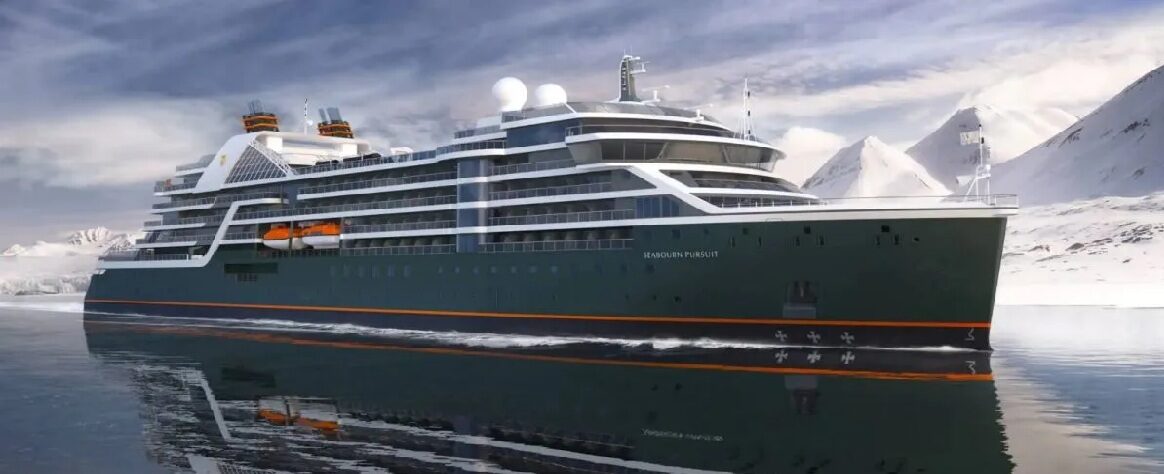
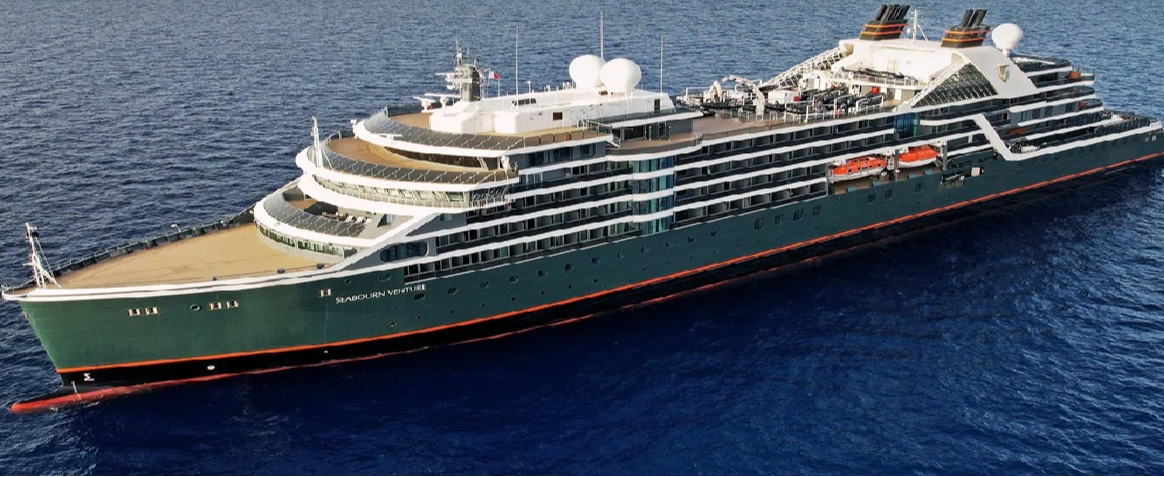
Seabourn Venture

Seabourn Venture

Visit the ship's page

Port of Patreksfjörður, Iceland | Cruise Port Guide

The Westfjords must be earned. This remote region of Iceland, far from the Ring Road and its motorcoaches, receives a fraction of the country's visitors, and those who go there later speak of another Iceland, rawer and more silent. Patreksfjörður, a fishing village of about 700 souls clinging to the shore of its fjord, is one of its rare sea gateways. Ships generally anchor in the roadstead, and tenders drop passengers at the small harbour, a stone's throw from the houses.

Fishermen at the end of the roads

Named after St. Patrick, whom legend makes the spiritual guide of the bay's first settlers, the village has always lived from the sea. Its streets can be explored in an hour: the harbour and its boats, the church, a few shops, a bakery and the heated municipal pool, with its outdoor pools facing the mountain. Bathing in hot water while the wind off the sea sweeps over the mountains: this is an Icelandic ritual the village practises daily, a few minutes' walk from the landing.

Látrabjarg, the cliff of a million birds

The flagship excursion of the port call leads to Látrabjarg, at the westernmost tip of Iceland. Over 14 km, the cliff rises up to 441 m above the Atlantic and hosts one of the largest seabird colonies in Europe: murres, razorbills, fulmars and, the undisputed stars, Atlantic puffins, which nest at the top from mid-May to mid-August. Used to humans, they let you approach within a few metres, to the delight of photographers; caution remains essential at the cliff edge. The road there, winding and spectacular, is part of the journey: about an hour and a half each way, best kept for long enough port calls.

Rauðasandur, the Atlantic's pink sand

Another wonder of the area, Rauðasandur beach unrolls about ten kilometres of sand in shifting hues, from golden to coppery pink, made of shells crushed by the ocean. The immense tidal flat, the lagoons and the light make it a landscape like no other in the land of black beaches. Seals regularly bask there. Access is via a narrow mountain road; organized excursions remain the most relaxed way to enjoy it.

The Garðar BA 64 and maritime memory

On the south shore of the fjord, a few kilometres from the village, the rusty silhouette of the Garðar BA 64 intrigues every passer-by: this whaler, launched in Norway in 1912 and said to be the oldest steel ship in Iceland, was deliberately beached in 1981 after a long career. Photogenic at any hour, it has become an emblem of the Westfjords. Nearby, the Hnjótur museum gathers fishing tools, farm objects and accounts of sea rescues that forged the locals' reputation for courage, notably during shipwrecks at the very foot of Látrabjarg, where farmers rappelled down the cliffs to haul up the sailors.

Simply the fjord

Those who stay in port will be happy walking along the shore or climbing to the first ledges of the mountain: the whole fjord then unfolds, with its steel-coloured water, isolated farms and clouds clinging to the flat summits. The people of the Westfjords say that here, the landscape takes care of the essentials. With a cup of coffee in hand, facing the water, you agree without argument.

Casting off for the open sea

At departure, the colourful houses line up one last time beneath the mountain, and the ship glides out to sea, often escorted by fulmars. Patreksfjörður holds no one back by force; it simply leaves in your memory cliffs full of birds, a rusty ship on its shore and a village that carries on its fishing life, exactly as before your visit. Perhaps that is the luxury of the Westfjords.

Frequently Asked Questions

Ships usually anchor in the roadstead and tenders land passengers at the small harbour, a step from the houses. There is no terminal: the village has around 700 residents and its streets take only minutes to walk.
The harbour and its boats, the church, a few shops, a bakery and the heated municipal pool, whose outdoor basins face the mountain. You can also walk the shoreline or climb to the first terraces, where the whole fjord opens up — steel-grey water, isolated farms and cloud caught on flat summits.
It is the headline excursion of this call, at Iceland's western tip, about an hour's drive along a winding and spectacular road. Over 14 km the cliff rises to 441 m above the Atlantic and holds one of the largest seabird colonies in Europe.
Yes, from mid-May to mid-August, when they nest along the clifftop. Used to people, they allow an approach of a few metres, to photographers' delight. Care at the edge is essential: this cliff does not forgive.
Some ten kilometres of sand shifting from gold to coppery pink, made of shells ground down by the ocean. In a country of black beaches, the vast tidal flat, the lagoons and the light make a landscape with no equivalent. Seals haul out there regularly.
By a narrow mountain road. Organised excursions remain the calmest way to enjoy it: this is not a road to improvise in a rental car between two ship departure times.
The Garðar BA 64, on the south shore of the fjord a few kilometres from the village. This whaler launched in Norway in 1912, said to be Iceland's oldest steel ship, was deliberately beached in 1981 after a long career. Photogenic at any hour, it has become an emblem of the Westfjords.
Fishing gear and objects that explain the reputation for courage of the people here, notably during shipwrecks at the foot of Látrabjarg itself, when farmers abseiled down the cliffs to haul sailors up.
Yes, at the heated municipal pool a few minutes' walk from the landing. Slipping into warm water while the sea wind passes over the mountains is an Icelandic ritual the village practises daily.
Because they lie far from the ring road and its coaches: the region receives a fraction of the country's visitors. That is exactly what makes it valuable — those who go speak afterwards of another Iceland, rawer and quieter. Patreksfjörður is one of its few sea gateways.