Mohacs Villany-Pecs, Hungary
Hungary
496
Cruises availables
At departure or passage at this port
AmaWaterways (144 Cruises)
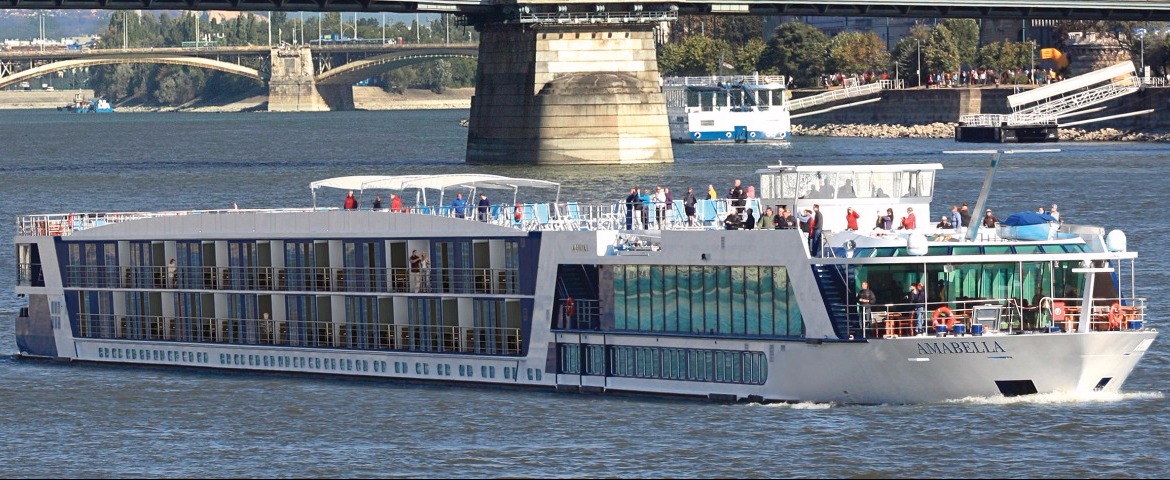
AmaBella
59 Cruises

| 22 March | 15 days | One-way from Vilshofen an der Donau to Giurgiu |
450-628-6241
Call us
|
| 29 March | 8 days | One-way from Budapest to Giurgiu |
450-628-6241
Call us
|
| 6 March | 8 days | One-way from Giurgiu to Budapest |
450-628-6241
Call us
|
| 27 March | 8 days | One-way from Budapest to Giurgiu |
450-628-6241
Call us
|
| 3 April | 8 days | One-way from Giurgiu to Budapest |
450-628-6241
Call us
|
| 24 April | 7 days | One-way from Budapest to Giurgiu |
450-628-6241
Call us
|
| 19 June | 8 days | One-way from Budapest to Giurgiu |
450-628-6241
Call us
|
| 26 June | 8 days | One-way from Giurgiu to Budapest |
450-628-6241
Call us
|
| 17 July | 8 days | One-way from Budapest to Giurgiu |
450-628-6241
Call us
|
| 24 July | 8 days | One-way from Giurgiu to Budapest |
450-628-6241
Call us
|
| 14 August | 8 days | One-way from Budapest to Giurgiu |
450-628-6241
Call us
|
| 21 August | 8 days | One-way from Giurgiu to Budapest |
450-628-6241
Call us
|
| 11 September | 8 days | One-way from Budapest to Giurgiu |
450-628-6241
Call us
|
| 18 September | 8 days | One-way from Giurgiu to Budapest |
450-628-6241
Call us
|
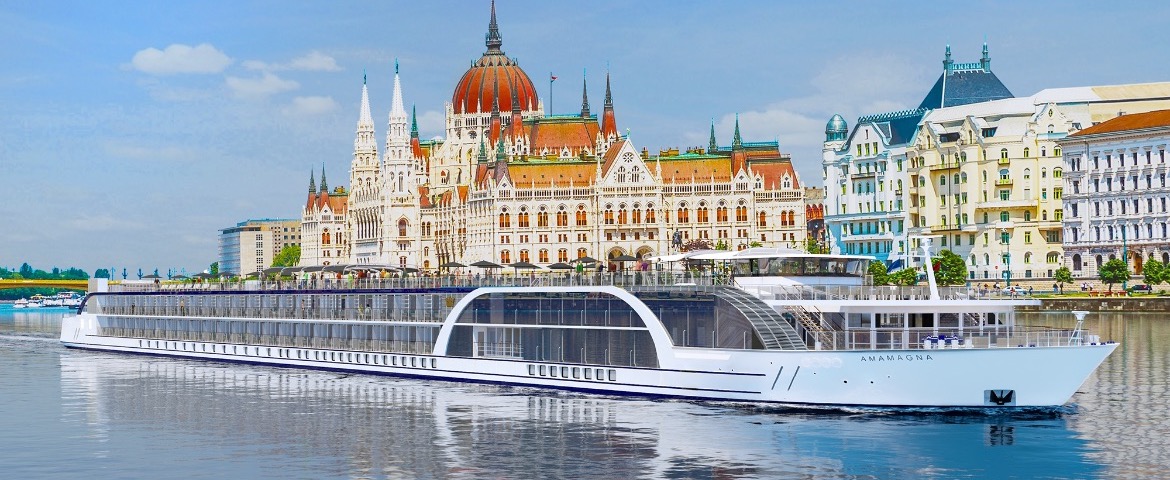
AmaMagna
28 Cruises
| 5 March | 8 days | One-way from Giurgiu to Budapest |
450-628-6241
Call us
|
| 26 March | 8 days | One-way from Budapest to Giurgiu |
450-628-6241
Call us
|
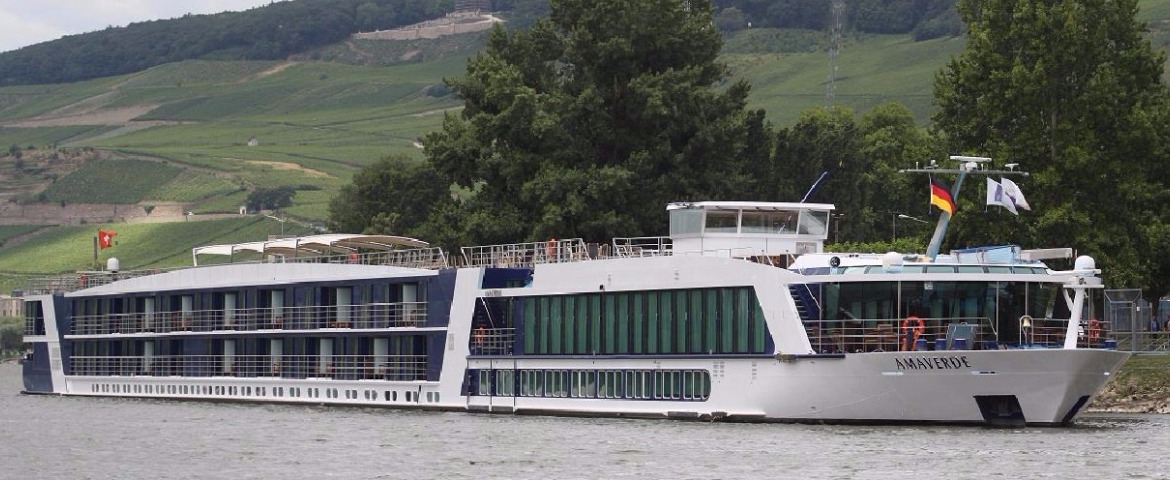
AmaVerde
57 Cruises
| 13 March | 8 days | One-way from Budapest to Giurgiu |
450-628-6241
Call us
|
| 20 March | 8 days | One-way from Giurgiu to Budapest |
450-628-6241
Call us
|
| 10 April | 8 days | One-way from Budapest to Giurgiu |
450-628-6241
Call us
|
| 17 April | 8 days | One-way from Giurgiu to Budapest |
450-628-6241
Call us
|
| 8 May | 8 days | One-way from Budapest to Giurgiu |
450-628-6241
Call us
|
| 15 May | 8 days | One-way from Giurgiu to Budapest |
450-628-6241
Call us
|
| 5 June | 8 days | One-way from Budapest to Giurgiu |
450-628-6241
Call us
|
| 12 June | 8 days | One-way from Giurgiu to Budapest |
450-628-6241
Call us
|
| 7 August | 8 days | One-way from Giurgiu to Budapest |
450-628-6241
Call us
|
| 28 August | 8 days | One-way from Budapest to Giurgiu |
450-628-6241
Call us
|
Avalon Waterways (18 Cruises)
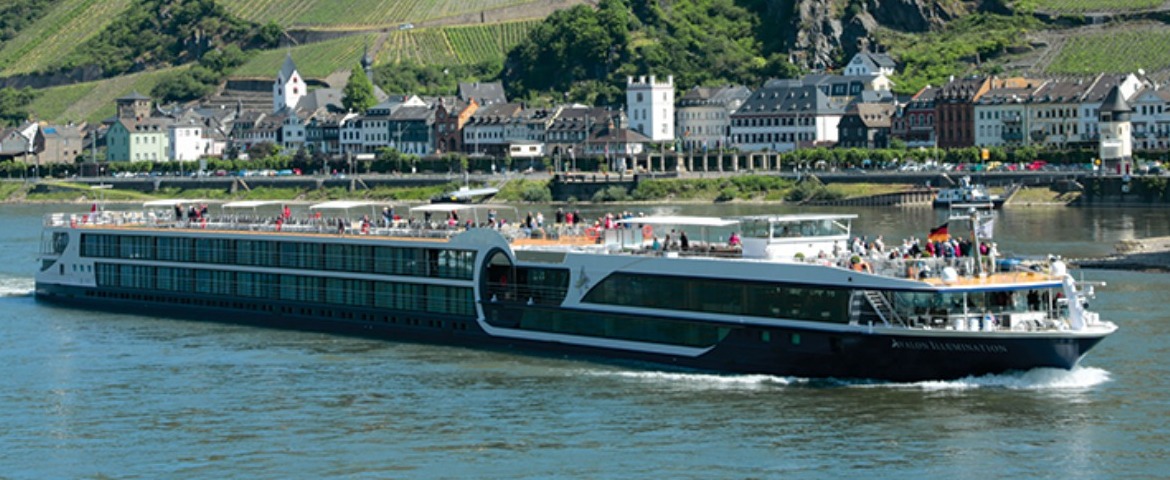
Avalon Illumination®
7 Cruises

Avalon Passion®
11 Cruises
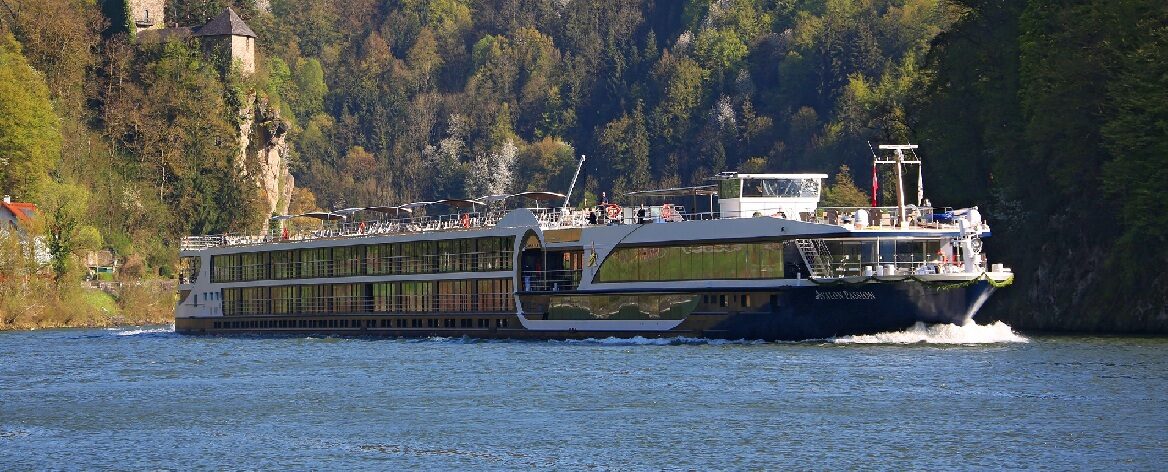
| 11 July | 9 days | One-way from Oltenita to Budapest |
450-628-6241
Call us
|
| 26 July | 9 days | One-way from Oltenita to Budapest |
450-628-6241
Call us
|
CroisiEurope (58 Cruises)
MS L'Europe
21 Cruises
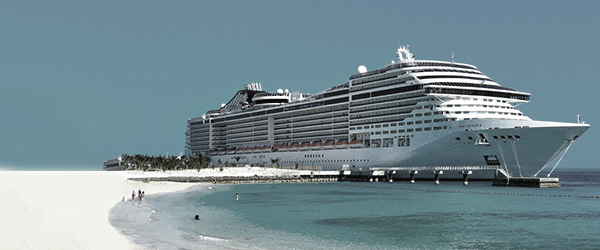 Image not available

| 6 June | 12 days | One-way from Oltenita to Vienna |
450-628-6241
Call us
|
| 6 June | 11 days | One-way from Oltenita to Vienna |
450-628-6241
Call us
|
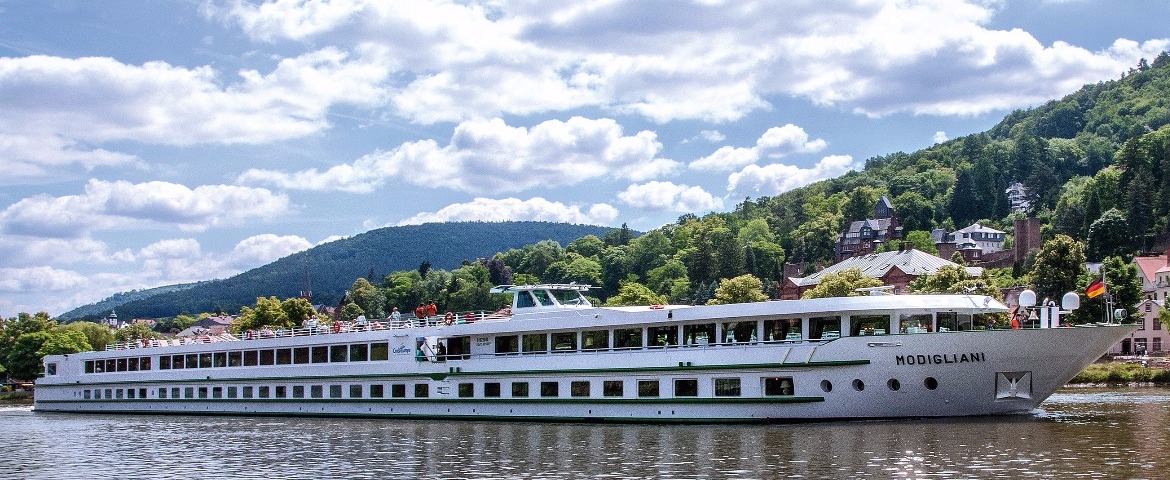
MS Modigliani
6 Cruises
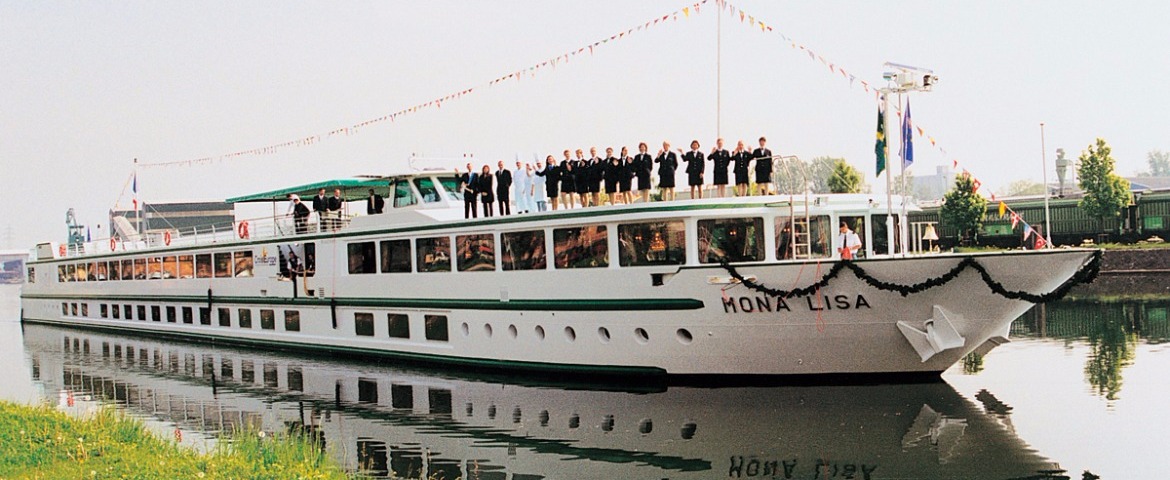
MS Mona Lisa
7 Cruises
MS Vivaldi
24 Cruises

Scenic Cruises (135 Cruises)
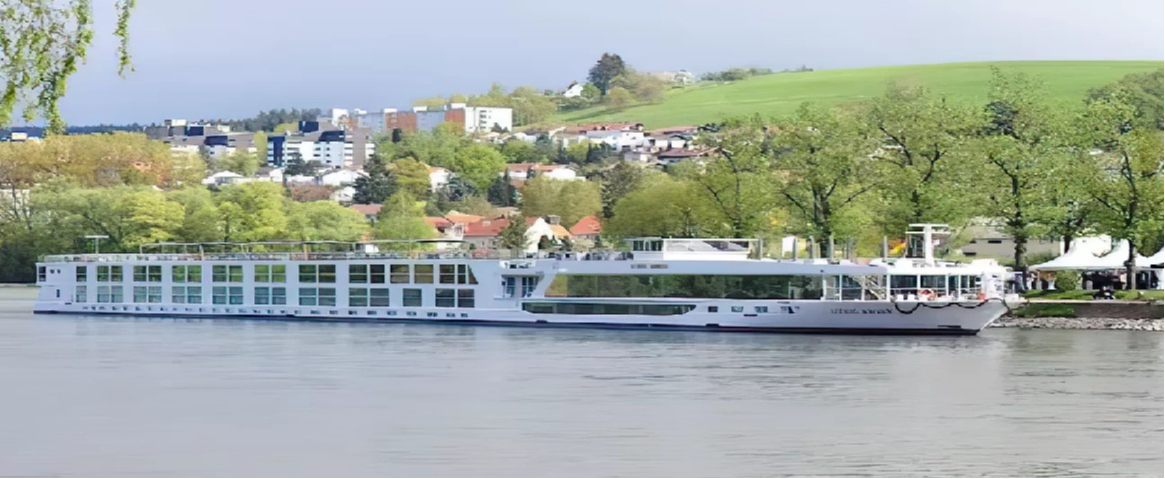
Scenic Amber
48 Cruises

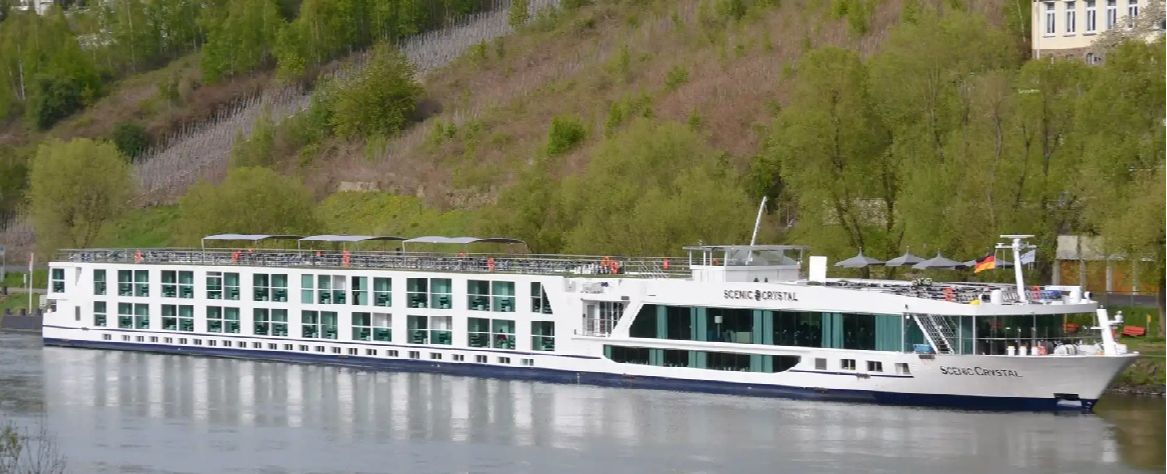
Scenic Crystal
42 Cruises
| 27 September | 29 days | One-way from Amsterdam to Bucharest |
450-628-6241
Call us
|
| 27 September | 30 days | One-way from Amsterdam to Bucharest |
450-628-6241
Call us
|
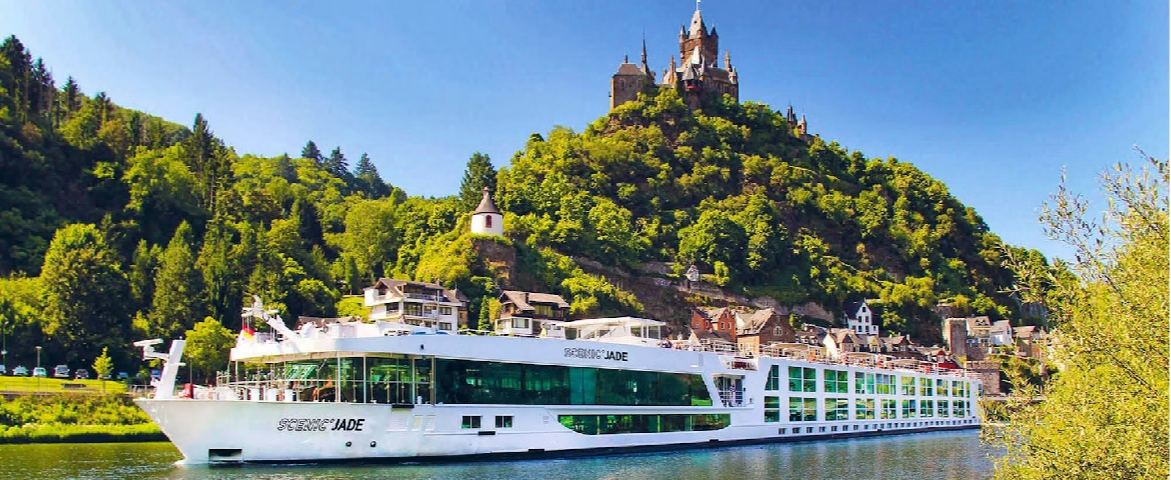
Scenic Jade
21 Cruises
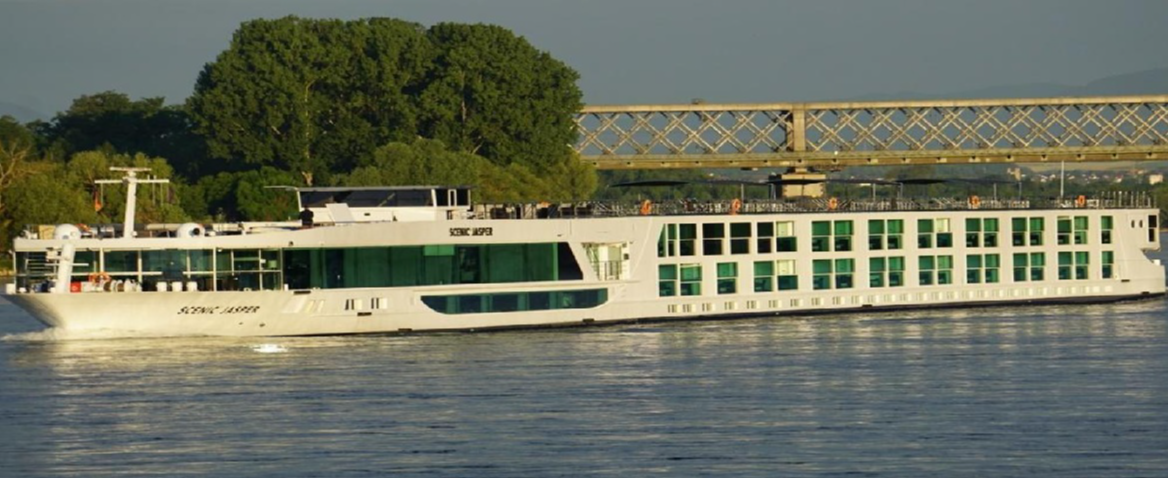
Scenic Jasper
24 Cruises
Viking River Cruises (141 Cruises)
Viking Longships Kadlin
65 Cruises
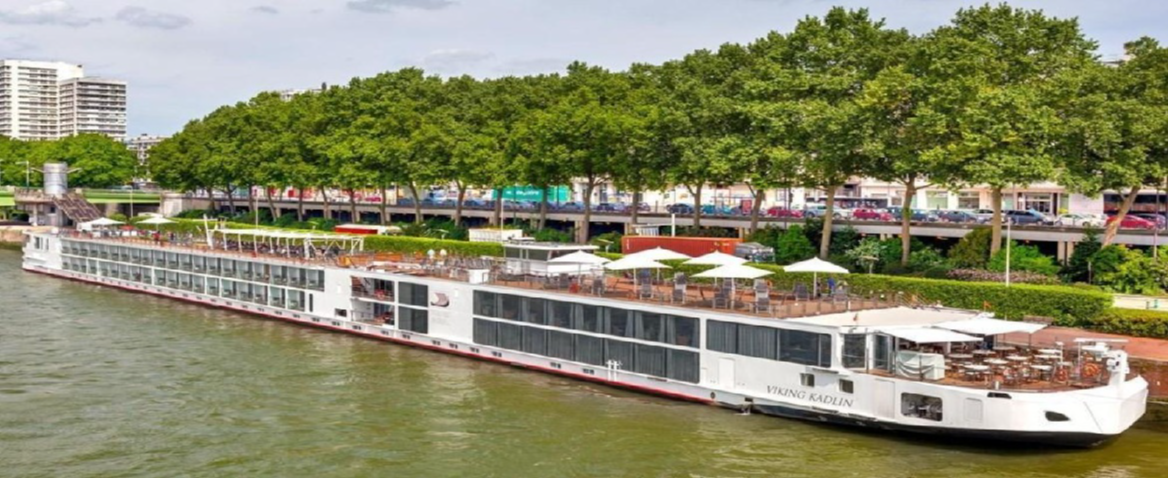

| 28 March | 14 days | One-way from Vienna to Constanta |
450-628-6241
Call us
|
| 28 March | 15 days | One-way from Vienna to Constanta |
450-628-6241
Call us
|
| 26 March | 14 days | One-way from Vienna to Constanta |
450-628-6241
Call us
|
| 26 March | 15 days | One-way from Vienna to Constanta |
450-628-6241
Call us
|
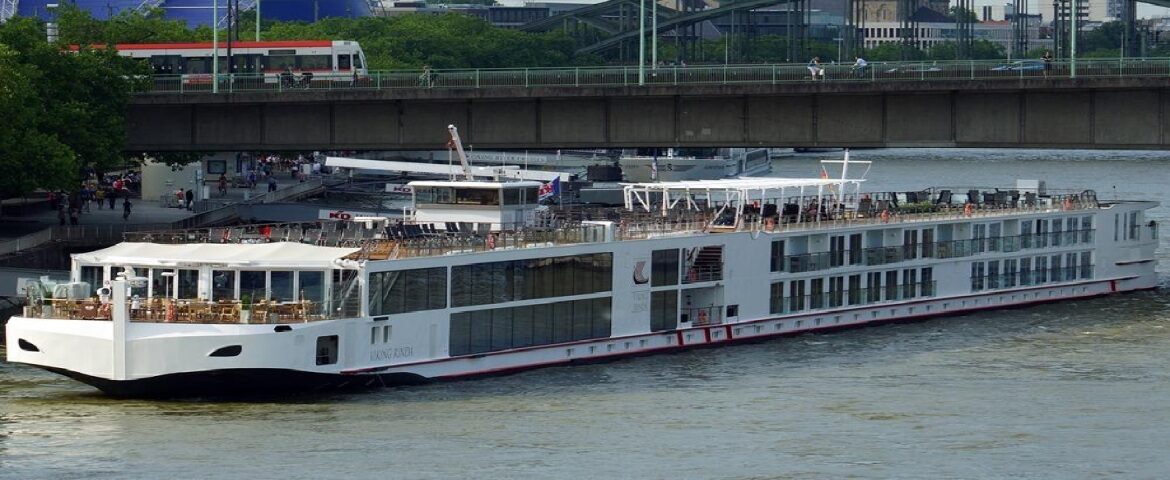
Viking Longships Rinda
76 Cruises

Port of Mohács, Hungary | Cruise Port Guide
Frequently Asked Questions
At the town's own quay, a few steps from the first houses. Mohács is a Danube river call, not a seaport: you walk down the gangway and you are already in town. No transfer is needed to reach the centre.
Yes, entirely. The town is small and flat, and everything in the centre — the Busóudvar museum, the main streets, the riverbank — is a few minutes' walk from the quay. Only the battle memorial park, on the edge of town, calls for a vehicle or a long walk.
It is the Mohács masked carnival, inscribed on UNESCO's list of intangible cultural heritage. Every February, busós wrapped in sheepskins and horned wooden masks drive winter out with rattles, dancing and fires, arriving by boat on the Danube. Outside that season, the Busóudvar museum displays the masks and costumes year-round.
Pick one of two plans, rarely both. Stay in town for the Busóudvar, a willow-mask carving workshop and a walk along the river; or drive out to the 1526 battle memorial park at the edge of town. Adding Pécs on top means spending the call on a coach.
Because the army of the Kingdom of Hungary was crushed here by Ottoman forces, and the country spent the next century and a half in the Ottoman orbit. The young king Louis II died in the rout. Over the mass graves uncovered by archaeologists, a large memorial garden lines up carved wooden markers shaped as soldiers, horses and crosses. Hungarians still say "more was lost at Mohács" when facing a setback.
Yes, if your call is long and the drive of some fifty kilometres does not put you off. Pécs offers a UNESCO-listed early Christian necropolis, Ottoman-era traces, the iridescent ceramics of the Zsolnay works and a university life that fills the terraces. It is not a one-hour outing.
Yes, in the Villány hills about thirty kilometres to the south-west. The vineyards produce some of Hungary's most respected reds, led by kékfrankos and cabernet, and the village's century-old cellars welcome tastings.
The Hungarian forint. Cards are accepted in restaurants and shops in the centre, but keep cash for a craft workshop, a market stall or a small cellar. Euros are sometimes taken, never at a good rate.
Hungarian is the everyday language and English is uneven away from visitor sites; French is rare. Guides travelling with the river ships settle the matter. On your own, plan to write place names down rather than pronounce them.
Late spring to early autumn, when the river ships sail and the terraces are open. February is the only time the Busójárás happens in the streets, but very few ships are on the Danube then: in practice most cruise passengers meet the masks in the museum.


