Lesbos Island Mytilene, Greece

25 Cruises availables At departure or passage at this port

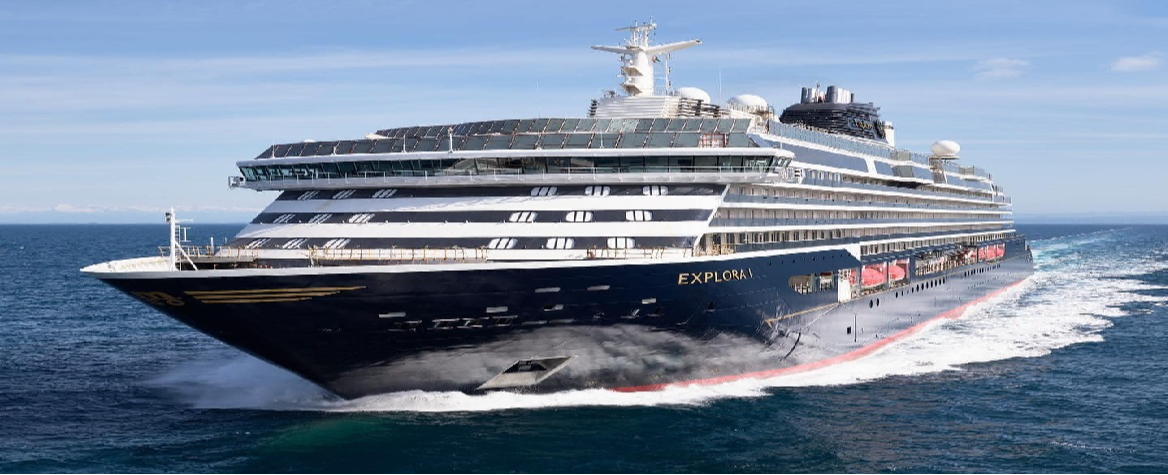
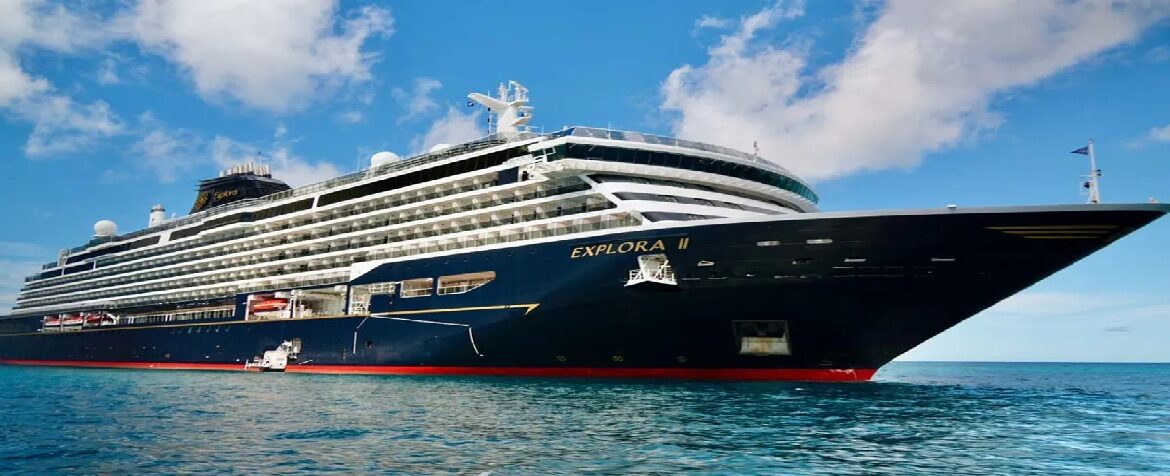
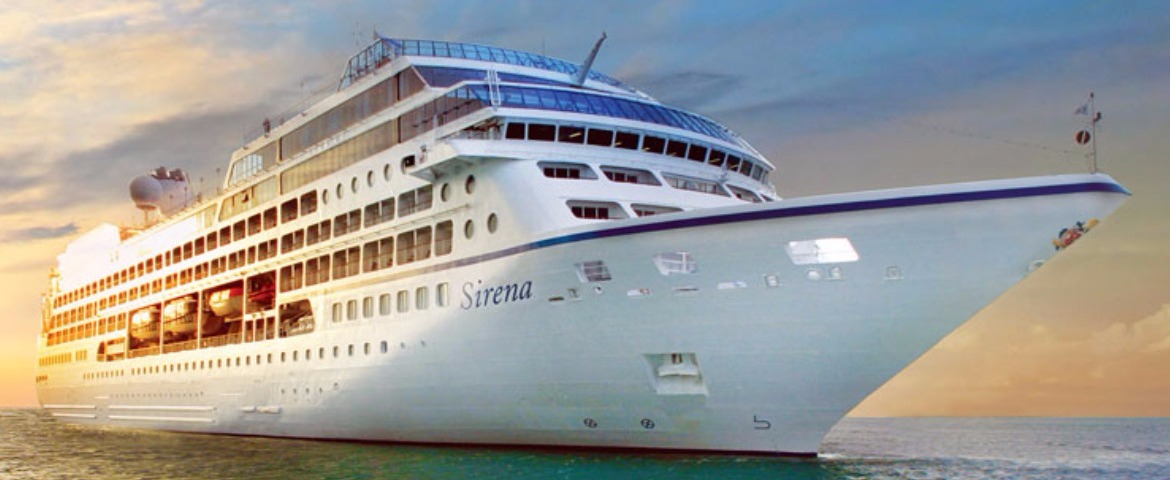
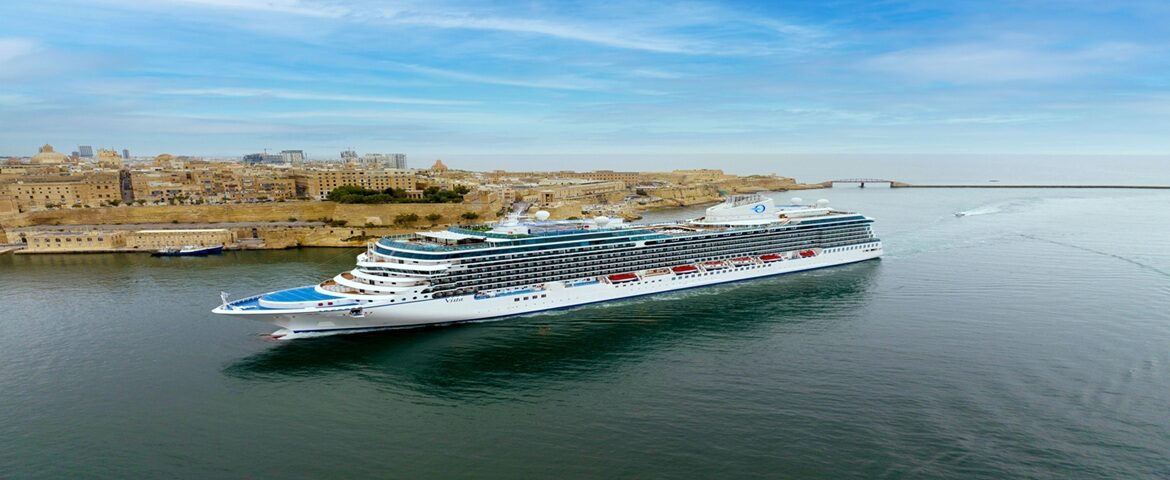
Oceania Cruises (16 Cruises)

Mytilene Lesbos Greece | Aegean Island Cruise Guide

Ouzo was born somewhere between these olive-covered hills and this sea, and Mytilene never lets anyone forget it. The capital of Lesbos, Greece's third-largest island, unfolds its waterfront around a lively harbour where ouzeries serve the national anise spirit with plates of small silver fish. The port call has substance: one of the largest citadels in the Mediterranean, endearing museums, olive groves as far as the eye can see and an island culture still proud of its traditions.

The Citadel Above the Harbour

On the hill that closes off the bay stands the Castle of Mytilene, a fortified complex of exceptional scale where Byzantine, Genoese and Ottoman eras are layered on top of one another. The climb is made on foot from the quays, through a pine wood echoing with cicadas, where the shade smells of resin. From the ramparts, the city spreads out below, the sea glitters all the way to the nearby Turkish coast, and you grasp at a glance the strategic position that made the island so coveted over the centuries. The enclosures can be explored freely, among towers, cisterns and postern gates overgrown with wild grasses where lizards dart.

Ouzo, Meze and the Waterfront

Back at sea level for a lesson in local good living. Along the harbour, cafés and ouzeries carry on a well-honed ritual: a glass of cool anise that water turns milky white, meze arriving in waves, grilled sardines, island cheeses, plump olives, capers and octopus. Lesbos produces some of Greece's most renowned ouzos, notably in Plomari, the capital of this distillation on the south coast, where a museum traces the history of the Barbayannis house. Even without crossing the island, bottles from local distilleries fill every shop in the centre, and shopkeepers gladly offer advice according to each person's taste.

Theophilos, the Barefoot Painter

Three and a half kilometres from the landing, in the suburb of Varia, a small museum moves visitors more than many major collections: that of the painter Theophilos, a native son, a naive artist who travelled across Greece painting tavernas and houses in exchange for a meal. The 86 canvases gathered here, created in the final years of his life, depict heroes of independence, rural scenes and village festivals in bold yet tender colours. Recognized after his death as a major figure of Greek folk art, Theophilos offers a valuable key to understanding the soul of the island, with its mingled pride and melancholy.

Nearby Beaches and Stone Villages

For swimming, the organized beach of Tsamakia is a short walk from the ship, deck chairs and cafés included. Longer port calls allow an excursion to Molyvos, about an hour's drive north: this village of stone houses with red roofs, tiered beneath a medieval castle, ranks among the most beautiful traditional ensembles in the Aegean, with its small fishing harbour surrounded by tamarisks. Along the way, olive groves follow one another endlessly, millions of trees that make Lesbos a land of oil as much as anise, and villages pass by with their men's cafés and domed churches.

At departure, the citadel fades behind the point and a light aniseed taste lingers on your lips, sweet and peppery at once. Mytilene doesn't resemble the white and blue islands of the south: it's bigger, greener, perhaps more serious. It's an island that works, distills and paints. You leave weighed down with a few bottles, feeling you've met a Greece with character, and with a clear desire to come back and explore everything the port call only skimmed.

Frequently Asked Questions

At the quays of Mytilene harbour, right in the centre of the island's capital. The waterfront cafés, ouzeries and shops begin a few steps from the gangway, and the castle hill closes off the bay just above.
Yes, most of it is walkable. The waterfront, the town centre and the climb to the castle all start at the landing. Only the Theophilos Museum, 3.5 km away, and the northern villages of Lesbos require a taxi or bus.
The citadel in the morning while it is still cool, then back down to sea level for an ouzo with mezze along the harbour. If time allows, the Theophilos Museum in Varia or a swim at Tsamakia rounds out the day nicely.
It is, and the climb is manageable: it starts on foot from the quays through a pine wood. This is one of the largest fortified complexes in the Mediterranean, layering Byzantine, Genoese and Ottoman periods, and you wander freely among towers and cisterns.
Right on the Mytilene waterfront, in the ouzeries that serve the anise spirit with mezze arriving in waves. Lesbos produces some of Greece's most respected ouzo, especially in Plomari, and bottles from local distilleries fill every shop in the centre.
Yes, the organised beach at Tsamakia is a short walk from the ship, with loungers and cafés. For wilder sand you need to drive north across the island.
Only on a long call: Molyvos is about an hour's drive north. The stone village stacked beneath its medieval castle is among the finest in the Aegean, but the round trip takes up most of the day.
Theophilos was a self-taught painter born on the island, who travelled Greece painting taverns and houses in exchange for a meal. The small museum in Varia, 3.5 km from the landing, gathers 86 canvases from his final years and takes under an hour to see.
The euro, and Greek. English is widely understood in the shops and taverns of the centre. Cards work in town; keep some cash for the inland villages.
May through October, with a clear edge to May, June and September: the heat stays bearable for the castle climb and the island keeps its green olive groves. July and August are scorching, especially out on the exposed ramparts.