Igoumenitsa Greece
83
Cruises availables
At departure or passage at this port
CroisiEurope (4 Cruises)
MV La Belle de L'Adriatique
4 Cruises


Crystal Cruises (7 Cruises)
Crystal Grace
7 Cruises


Oceania Cruises (50 Cruises)
Oceania Allura
14 Cruises

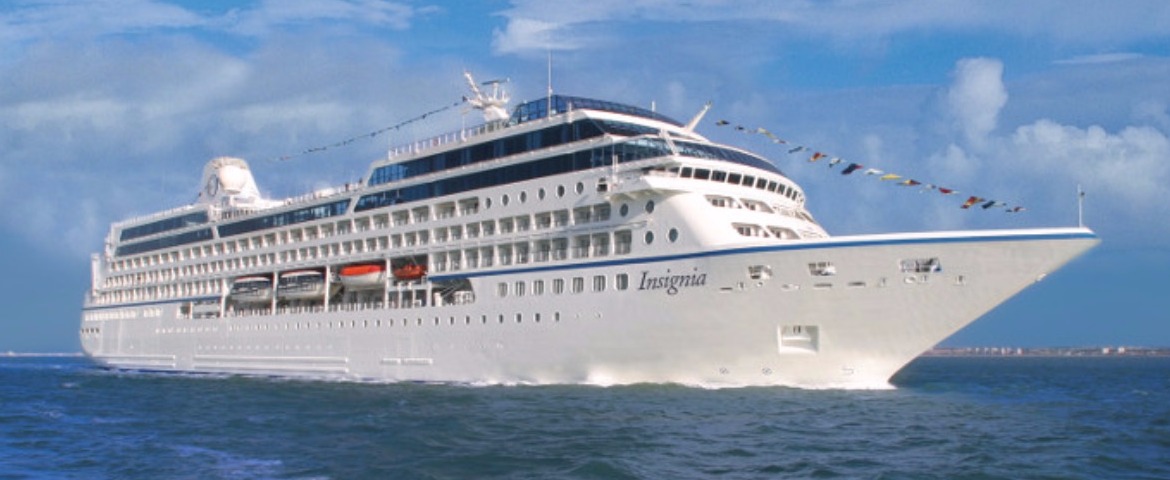
Oceania Insignia
7 Cruises
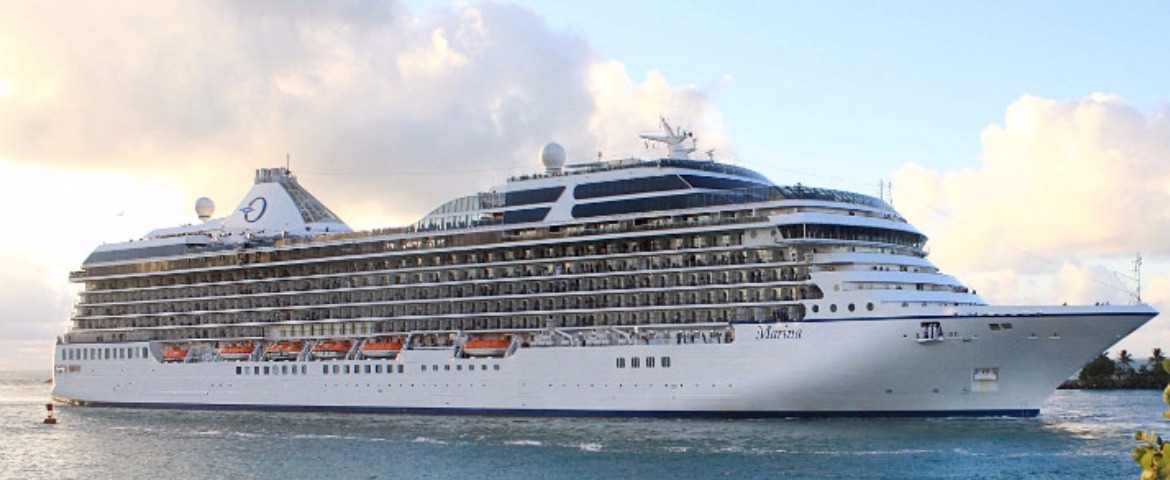
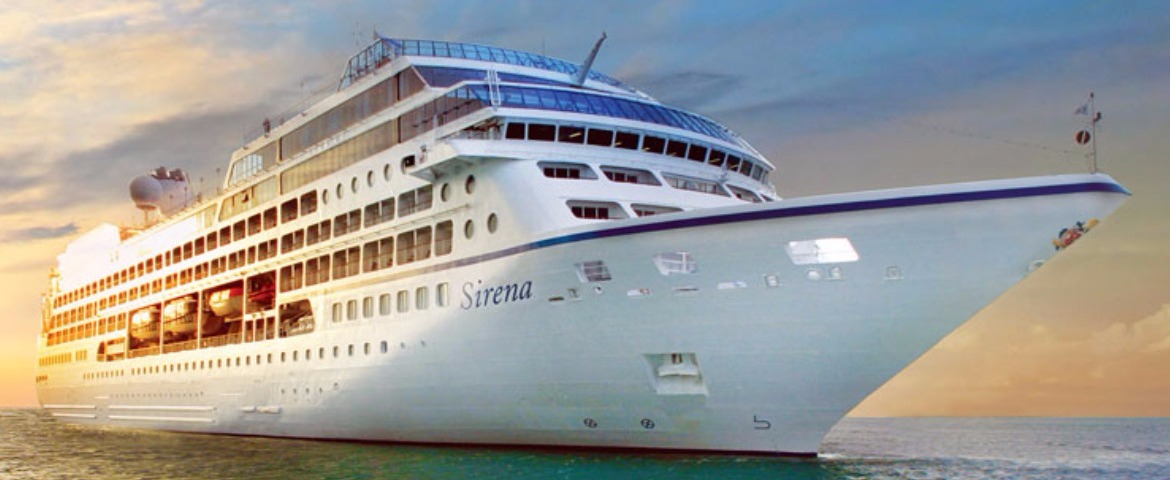
Oceania Sirena
10 Cruises
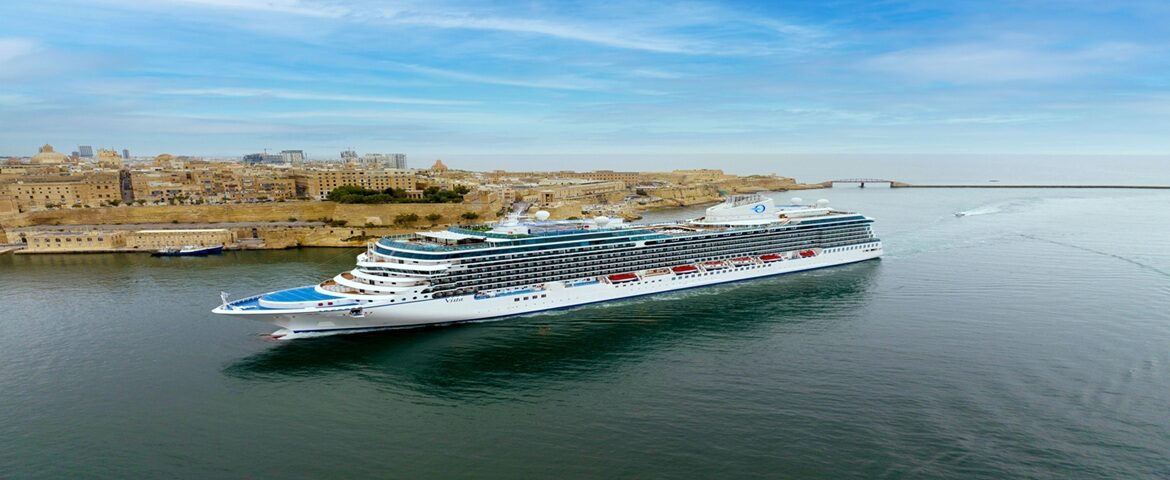
Oceania Vista
16 Cruises
| 6 January | 244 days | One-way from Miami to New York |
450-628-6241
Call us
|
| 6 January | 180 days | One-way from Miami to Southampton |
450-628-6241
Call us
|
| 26 February | 130 days | One-way from Sydney to Southampton |
450-628-6241
Call us
|
| 26 February | 129 days | One-way from Sydney to Southampton |
450-628-6241
Call us
|
| 4 January | 96 days | One-way from Auckland to Civitavecchia-Rome |
450-628-6241
Call us
|
| 4 January | 97 days | One-way from Auckland to Civitavecchia-Rome |
450-628-6241
Call us
|
| 14 February | 56 days | One-way from Singapore to Civitavecchia-Rome |
450-628-6241
Call us
|
| 14 February | 55 days | One-way from Singapore to Civitavecchia-Rome |
450-628-6241
Call us
|
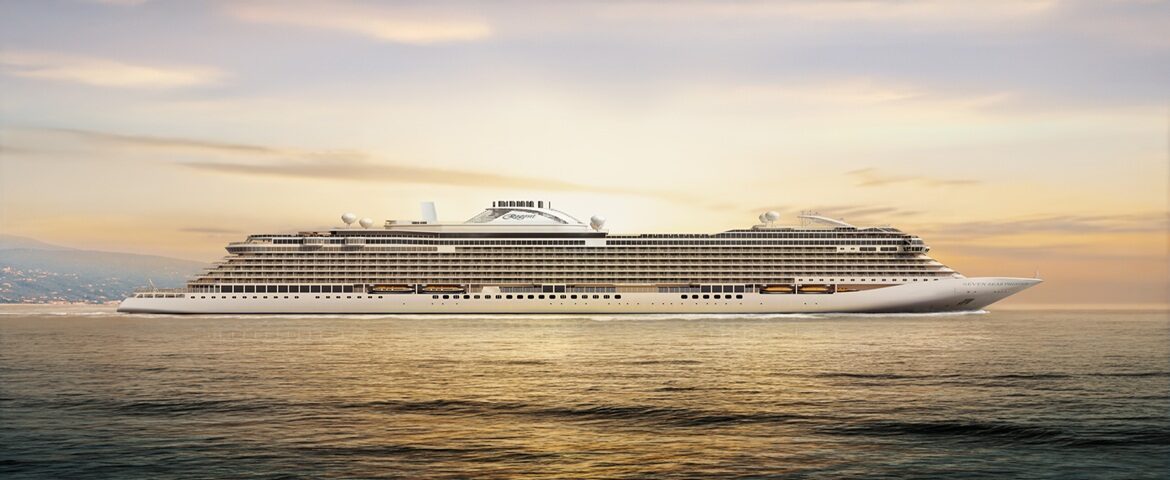
Regent Seven Seas Cruises (20 Cruises)
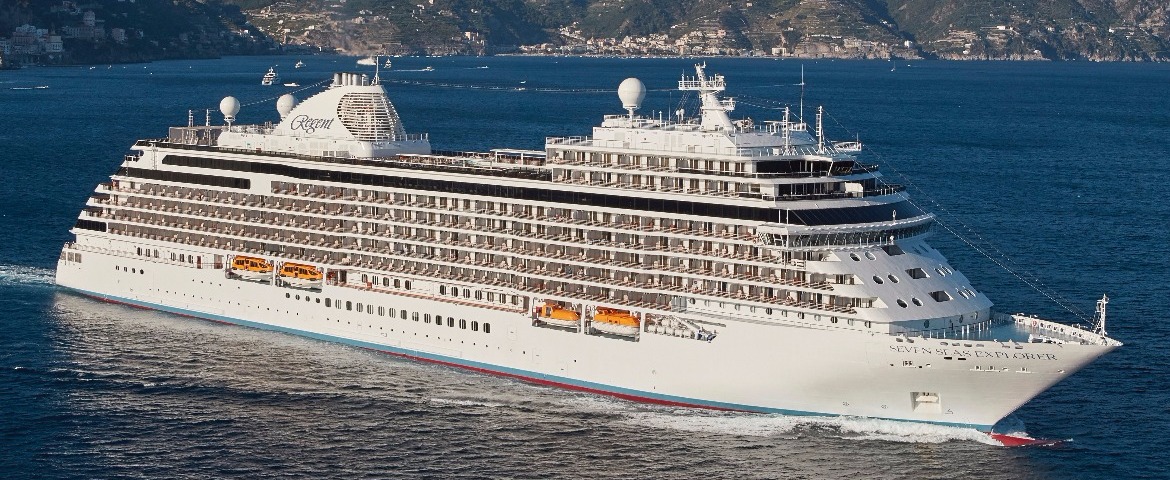
Seven Seas Explorer
4 Cruises

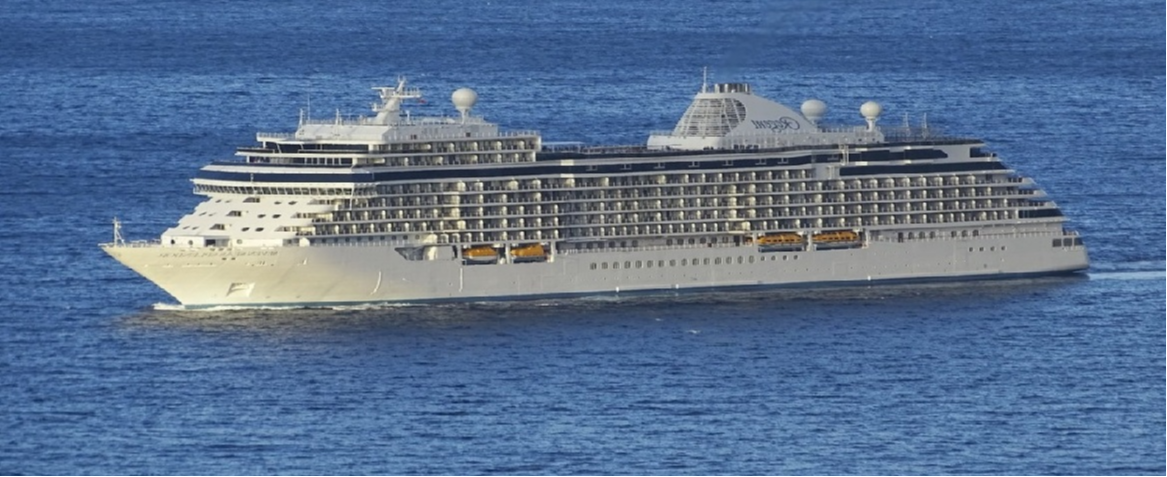
Seven Seas Grandeur
6 Cruises
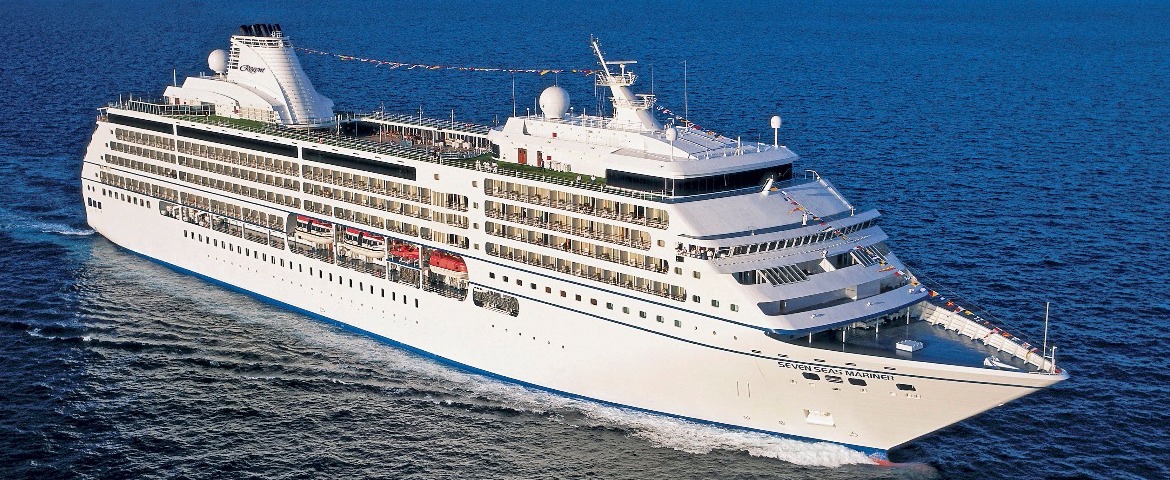
Seven Seas Mariner
7 Cruises
| 29 April | 175 days | One-way from New York to Piraeus-Athens |
450-628-6241
Call us
|
| 29 April | 174 days | One-way from New York to Piraeus-Athens |
450-628-6241
Call us
|
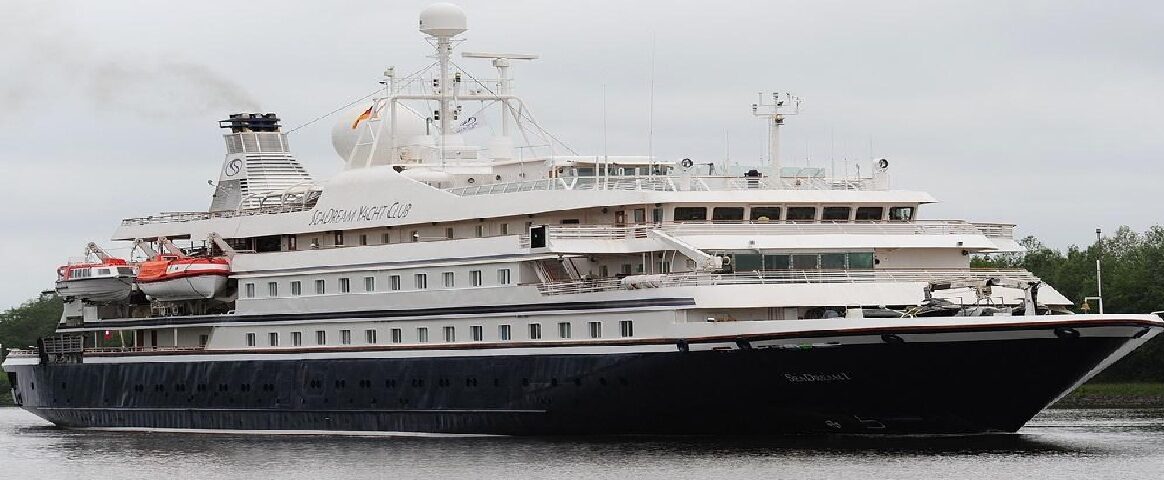
SeaDream Yacht Club (2 Cruises)


Igoumenitsa Greece | Ionian Sea & Epirus Cruise Guide
Frequently Asked Questions
The terminal is a short distance from the centre: you set off on foot straight from the gangway. The landscaped promenade runs several hundred metres along the water, and the shopping streets start just behind it.
Few monuments, and it is only fair to say so: no fortress watches over the ship. What makes the walk worthwhile is the waterfront, the shopping streets without tourist gloss, and the Archaeological Museum, worth an hour.
Two options: the town on foot with the museum and a meal of pites, or Drepano beach by taxi. The bigger excursions, Parga or Paxos, need more time.
Modern galleries tracing the history of Thesprotia from the Stone Age to Byzantium through jewellery, ceramics and models. It is a few minutes' walk or taxi ride from the waterfront.
Yes, Drepano, about 5 km north of the centre: a long spit of golden sand between a lagoon and the sea, where the water stays shallow for dozens of metres. A taxi gets you there in about ten minutes.
Parga stacks its coloured houses around a bay closed off by an islet and a Venetian castle, some fifty kilometres to the south. Paxos and Antipaxos are reached by sea, by launch, for a swim in coves of almost unreal blue.
Some lines offer a full-day trip to the monasteries perched on their rock towers. The drive is long, but the sight justifies every kilometre for anyone who will not be back in Greece soon.
A canyon cut by the river the ancients associated with the passage to the underworld: you wade through icy water between limestone walls. A refreshing outing in high summer.
The pites of Epirus, savoury pies with fine flaky pastry filled with cheese or wild herbs, with a glass of cold white. Grilled fish rounds out the menus of the waterfront tavernas.
The euro and Greek. You will mostly hear Greek spoken, and that is precisely what makes the walk interesting. Bring cash for taxis and small businesses.


