Nierstein Germany Rhineland-Palatinate

71 Cruises availables At departure or passage at this port

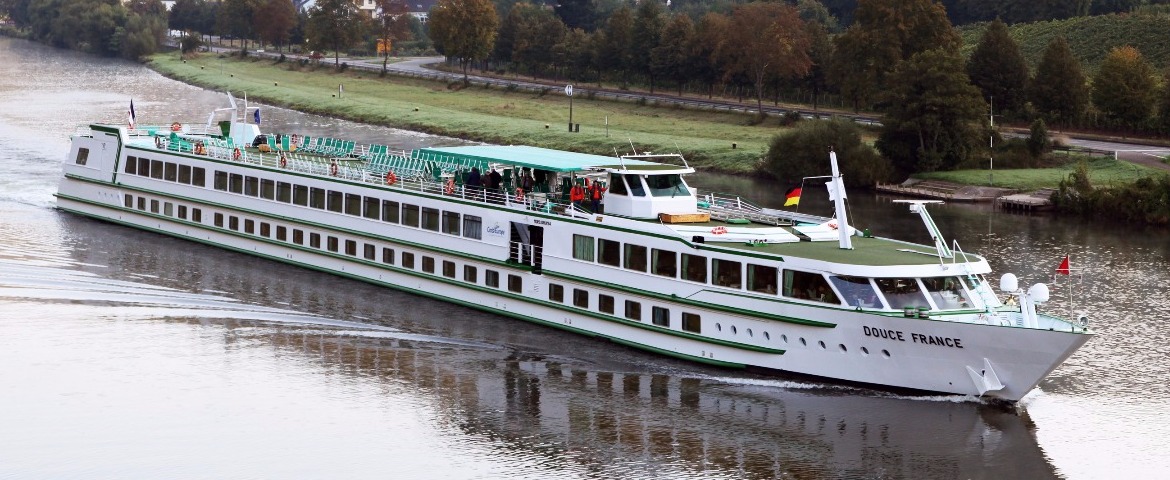
CroisiEurope (17 Cruises)
Uniworld Boutique River Cruise (54 Cruises)

Port of Nierstein, Germany | Cruise Port Guide

The earth here is red. On the slopes plunging toward the Rhine, a 280-million-year-old soil of iron-rich clay and sandstone gives the vineyards of Nierstein their signature: the Roter Hang, the "red slope," one of the most renowned terroirs in Germany. River cruise boats dock at the foot of the first houses, and the smell of the wine cellars does the rest: this Rhenish Hesse port call is to be savoured as much as visited.

A vineyard older than the cathedrals

The document has been preserved: in 742, a royal donation already mentioned the Glöck vineyard, below the church, making it the oldest vineyard in Germany attested in writing. The Romans no doubt grew vines here well before that. Twelve centuries later, riesling reigns over the slopes, backed by silvaner, and the great names of the appellation are displayed on the gates of the family estates lining the lanes.

Walking the red slope

Marked trails climb straight from the last lanes into the sea of vines. The climb requires a bit of breath, but each switchback widens the landscape: the Rhine unrolling for kilometres, tiny barges and the steeples of the opposite bank. An old watchtower marks the top of the slope; on clear days, the view reaches as far as the heights of the Taunus. On the way back, the signs along the wine trail explain the soil, grape varieties and the work of the seasons.

The river front and centre

Between climbs, the riverbank itself is worth lingering on. The Rhine here is wide and hard-working: barge convoys, Sunday sailboats and trains speeding along the opposite bank. The benches on the promenade offer a perfect observation post, and children never tire of counting containers. It is also where you grasp the bond between the town and its river: without it, no wine trade, no travellers, no port call.

Cellars, courtyards and taverns

In the town, the atmosphere is one of simplicity: winegrowers' houses with cobbled courtyards, wrought-iron signs and lanes that smell of barrels. Several estates open their doors for tastings, and the seasonal taverns — the Strausswirtschaften, signalled by a hanging bouquet — serve the estate's wine with a plate of regional cold cuts and cheeses. You raise your glass facing the current and suddenly understand very well why the people here have never moved away. For a useful souvenir, a bottle of the local wine slipped into your bag will do nicely — the estates also ship, for suitcases that are already full.

Two hours or half a day

The port call adapts to the onboard program. In two hours, you can visit a cellar and stroll along the riverbank; in half a day, add the climb into the vineyards and a regional plate under an arbour. Local guides also offer narrated walks through the vineyard, where you learn to read the slope, the exposure and the colour of the soil as winegrowers have done for generations.

Port call pointers

ItemPointer
DockingRhine riverbank, village right there
Glöck vineyardattested since 742
Roter Hang trailsstart from the village, 1 to 2 h walk
Mainzabout 20 km downstream

A parting glass

As the boat picks up the current again, the red slope blazes in the evening light — locals swear this is the hour when it best lives up to its name. You take away from Nierstein a simple and lasting memory: a village, a slope, a grape variety. Some ports of call need nothing more.

Frequently Asked Questions

On the Rhine bank at the foot of the first houses. The village is immediate: down the gangway and you are there.
The red slope, a terroir of clay and iron-rich sandstone 280 million years old dropping towards the Rhine. It is one of the most respected vineyard sites in Germany, and the soil colour is visible to the naked eye.
Climb into the vines on the marked Roter Hang trails, visit a cellar, then stroll the riverbank. In two hours you stick to a cellar and the water; half a day adds the climb and a regional plate.
The Glöck vineyard at Nierstein, below the church: a royal donation of 742 already mentions it, making it the oldest documented vineyard in Germany. The Romans were almost certainly growing vines here long before.
It takes some effort: the trails climb straight up from the last lanes, and you should allow one to two hours there and back. Every switchback widens the view, up to an old watchtower at the top of the slope.
Riesling rules the slopes, supported by silvaner. The family estates lining the lanes display their wines on their gates, and several open their doors for tastings.
A seasonal tavern marked by a hanging bunch of greenery, where the winegrower serves his own wine with a plate of regional charcuterie and cheese. It is the simplest and most local way to taste the wine.
Yes. Estates sell at the property and also ship, which helps when suitcases are already full. A bottle slipped into the bag remains the most useful souvenir of the call.
About 20 km downstream. Most Rhine itineraries give Mainz its own separate call, so there is usually no need to travel there from Nierstein.
The euro, and bring cash. In a wine village, several cellars and seasonal taverns do not take cards.