Makatea, French Polynesia | Cruise Port Guide

In an archipelago where atolls barely rise above the waves, Makatea stands out: limestone cliffs about 80 m high drop sheer into the Pacific, topped by a forest-covered plateau. This geological anomaly of the Tuamotus, a former uplifted atoll, offers the rare ships that stop here one of the most unusual ports of call in French Polynesia.

Landing at the Foot of the Cliffs

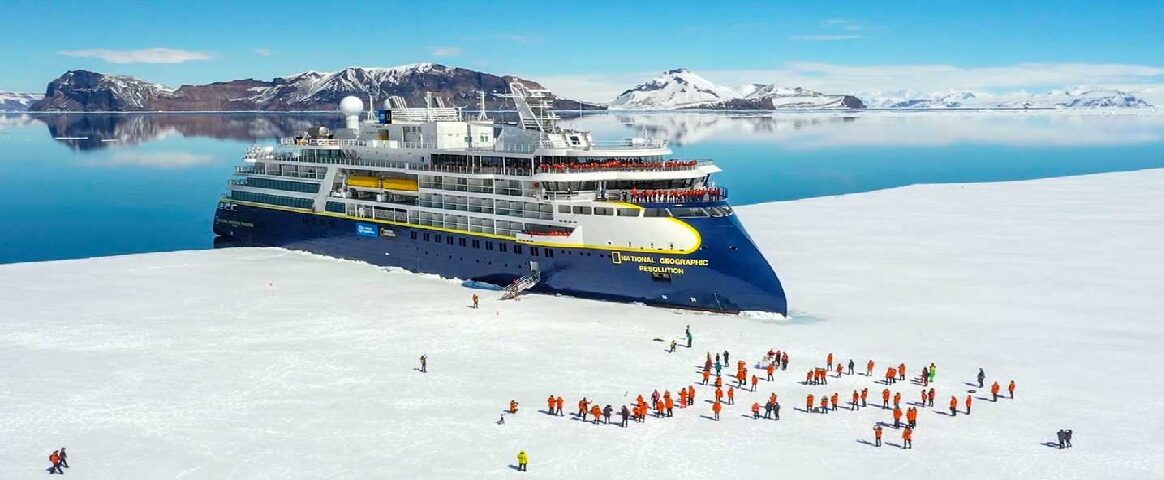
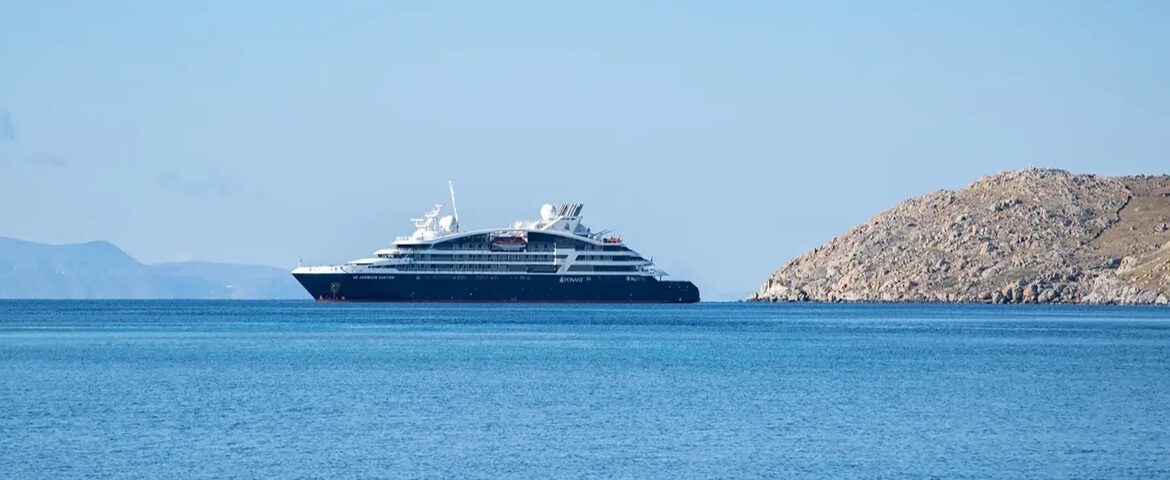
No pier awaits the ships: tenders drop passengers off on a small platform built at the foot of the limestone wall, when sea conditions allow, which gives every landing a flavour of conquest. The arrival sets the tone: overhead, the wall of fossil coral; at its feet, water of perfect clarity. Only a few dozen people live on the island, gathered in the village on the west coast, and their welcome counts for a great deal in the memories visitors take away. Songs, flower leis and demonstrations of coconut preparation often punctuate organized visits.

The Memory of Phosphate

In the early 20th century, the discovery of rich phosphate deposits turned Makatea into one of the great industrial centres of the island Pacific: for more than fifty years, thousands of workers extracted ore from the plateau, riddled with natural shafts. Mining ceased in the 1960s and the population dropped from several thousand to fewer than a hundred inhabitants, leaving the heights riddled with thousands of circular excavations, now overgrown with greenery. Striking remnants remain: metal structures eaten away by salt and rows of pits where the forest has reclaimed its rights.

The Plateau and Its Birds

A well-marked trail climbs up through the cliff face to the summit plateau. Allow about 90 minutes round trip for this walk, demanding in places, rewarded by vast views over the ocean and a crossing through dense vegetation filled with birdsong. Frigatebirds and boobies soar over the coast, while the undergrowth shelters a discreet wildlife that the guides know how to spot. Local guides, essential here, recount the mining saga along the way and point out the bolted climbing routes set right into the cliff, which now give the island its reputation among climbers who come from afar to test themselves.

Caves and Fresh Water

The limestone subsoil hides another treasure: caves adorned with stalactites, some of which shelter freshwater pools where a swim feels like a waking dream, complete with filtered light and turquoise reflections, in a coolness that is surprising after the walk. Locals guide visitors to the most accessible ones, at low tide for those along the shore. The contrast between the cool darkness of the chambers and the brightness outside adds to the pleasure of exploring.

Gear Up Properly

  • Closed shoes with treaded soles: fossil coral cuts like glass.
  • A generous supply of water and sun protection, as shade is scarce outside the forest.
  • A headlamp for the caves and a swimsuit for the freshwater pools.
  • A little cash to thank the guides and buy local crafts.

An Expedition Port of Call

This port of call is for travellers in good physical condition, ready to deal with swells, heat and rugged trails. In return, the island offers what classic itineraries can no longer promise: an almost untouched place, an industrial history unique in French Polynesia and encounters without the slightest staging.

As the tenders return to the ship, the cliffs turn pink in the fading light and the frigatebirds head back to their ledges. The former uplifted atoll returns to its silence, guardian of a century of mining history and of a future it has chosen to keep quiet. Makatea appears on almost no itinerary; having walked there will remain one of those memories you tell for a long time.

Frequently Asked Questions

Because it is not an ordinary atoll but a raised one. Limestone cliffs about 80 metres high drop straight into the Pacific, topped by a forested plateau, where neighbouring atolls barely break the surface of the waves.
No quay awaits ships. Tenders land passengers on a small platform built at the foot of the limestone wall, when the sea state allows. Landing can therefore be cancelled: this is an expedition call, not a guaranteed one.
In the early 20th century, the discovery of rich phosphate deposits turned the island into one of the great industrial centres of the island Pacific. For more than fifty years, thousands of workers extracted ore from the plateau. Mining ended in the 1960s and the population fell from several thousand to fewer than a hundred.
Striking remnants: metal structures eaten by salt and thousands of circular pits across the plateau, now overrun by greenery. Local guides tell that story as you walk, and it is what gives the hike its meaning.
Allow about 90 minutes round trip for a walk that is demanding in places, on a well-marked path climbing through the cliff face. The reward is vast ocean views and a crossing of dense vegetation loud with birdsong. You need to be in decent physical shape.
Yes, but not the way you do elsewhere in Polynesia. The limestone bedrock hides caves hung with stalactites, some holding freshwater pools where swimming feels like a waking dream, with filtered light and a coolness that surprises after the walk. Islanders guide visitors to the most accessible ones, at low tide for those on the shore.
Closed shoes with lugged soles, because fossil coral cuts like glass. Add a generous water supply and sun protection, since shade is scarce outside the forest, a headlamp for the caves, a swimsuit for the pools and some cash.
The island has built a reputation among climbers thanks to bolted routes on the limestone wall, and enthusiasts travel far to test themselves on it. That said, it is not among the activities offered during an ordinary cruise call.
Only a few dozen, gathered in the village on the west coast. Their welcome counts for much in the memory of the call: singing, flower garlands and coconut preparation demonstrations often punctuate organised visits, with no staging whatsoever.
Travellers in good physical condition, ready to deal with swell, heat and rough paths. Anyone looking for a beach and a lounge chair will be disappointed: there are none. In exchange, the island offers a nearly untouched place and an industrial history unique in French Polynesia.