Nantes France

167 Cruises availables At departure or passage at this port

CroisiEurope (165 Cruises)

Image not available

MS Lafayette

Visit the ship's page
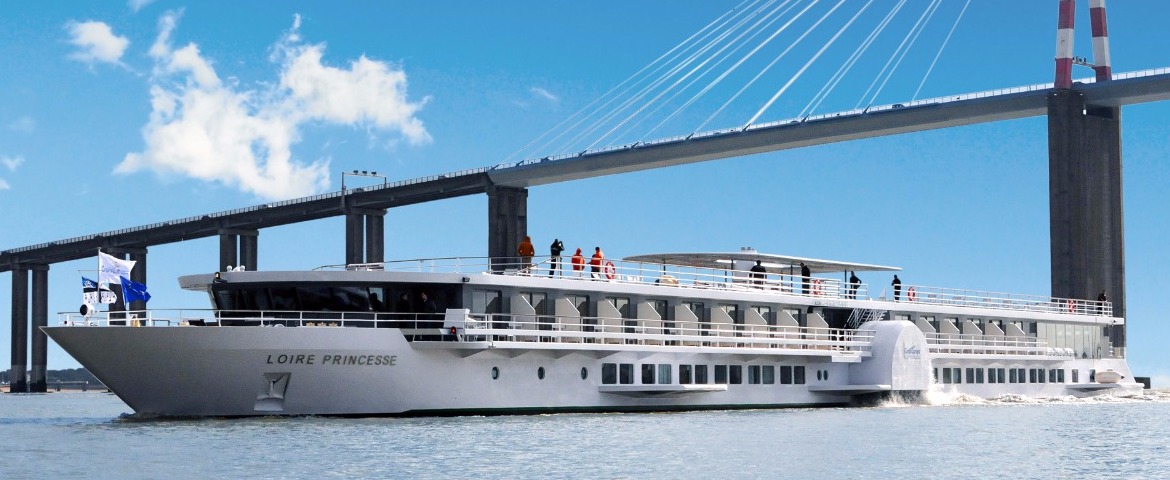
Cruise CE Croisieurope MS Loire Princesse ship

Ms Loire Princesse

94 Passengers
Visit the ship's page

Nantes France | Loire River Cultural & Cruise Guide

A twelve-metre elephant sprays water on passers-by, on the very spot where the hulls of great ships were once riveted. Nantes sets the tone right from the quay: former capital of the Dukes of Brittany, a great Atlantic port turned laboratory of the imagination, the Loire metropolis blends the centuries with delightful self-assurance. River boats sailing down the river call in the heart of the city, an ideal starting point for a packed day.

The Castle of the Dukes of Brittany

Right in the centre, Anne of Brittany's fortress sets its granite curtain walls against the white tufa façades of its inner courtyard, Renaissance elegance set within a military shell. The ramparts are free to walk, and the urban history museum inside hides nothing of the past, including the role of the triangular trade that enriched local shipowners in the 18th century. The Memorial to the Abolition of Slavery, built beneath the Quai de la Fosse, extends this remembrance along the river.

Les Machines de l'île

On the Île de Nantes, the former shipyard halls house a mechanical bestiary inspired by Jules Verne, a native son born on the Île Feydeau in 1828 and honoured with a museum on the Butte Sainte-Anne, and by the notebooks of Leonardo da Vinci. The Great Elephant carries its passengers along in a puff of steam, the Carousel of the Marine Worlds spins its deep-sea creatures over three levels, and the gallery displays the test creatures and prototypes born in the workshops. Young and old lose all track of time here; allow half a day.

From the Passage Pommeraye to the Graslin district

On the right bank, the 19th-century city displays its colonnaded theatre, its heritage-listed brasseries and above all the Passage Pommeraye, an 1843 shopping arcade rising over three levels of statues and wooden staircases. Two streets away, the Île Feydeau, the former shipowners' enclave, lines up its buildings with bulging balconies and carved mascarons, leaning slightly on their landfill foundations. The medieval Bouffay district, around the cathedral and its tufa nave taller than that of Notre-Dame de Paris, completes the loop on foot.

Pointers for the day

StopFrom the mooringSuggested time
Castle and BouffayWithin walking distance2 hours
Machines de l'îleTramway or 30-minute walkHalf a day
Passage Pommeraye and GraslinWithin walking distance1 to 2 hours
Jardin des PlantesNear the train station1 hour

The Nantes table

Beurre blanc was born on these banks, and Loire pike-perch still pairs with it beautifully. Crêperies recall nearby Brittany, Muscadet from the neighbouring hillsides accompanies oysters and eels, and the gâteau nantais, soaked in rum from the old trade routes, is sold in every good pastry shop. Near the former shipyards, the LU tower recalls the biscuit factory that had all of France munching; the factory now houses a cultural centre. At the Talensac market, the stalls give the measure of a terroir between river and ocean.

Casting off

A green line painted on the ground links the stops of Le Voyage à Nantes, an art trail that scatters works and surprises all the way up to the rooftops; following it at random remains the best way to feel the spirit of the place. At departure time, the estuary opens toward Saint-Nazaire and its shipyards, where other giants of the sea are born. Nantes has watched ships go by for two thousand years; it has simply learned, better than others, to turn its memories into playgrounds, and you leave with the feeling of having only just opened the treasure chest.

Frequently Asked Questions

In the heart of the city, on the Loire. River ships coming downstream land passengers at the ideal starting point for a full day: the château, the Île de Nantes and the 19th-century centre are all walkable.
This is the real trade-off: either the château and the historic centre, or the Machines de l'Île. The Machines need half a day on their own; trying to do everything means rushing and seeing nothing.
It is Anne of Brittany's fortress in the city centre, setting its granite curtain walls against the white tuffeau façades of its inner courtyard. The ramparts are freely walkable and a museum of urban history occupies the interior.
Yes, without concealment. It covers the role of the triangular trade that enriched local ship-owners in the 18th century. The memorial to the abolition of slavery, built beneath the Quai de la Fosse, continues that reckoning facing the river.
A mechanical bestiary housed in the former shipyard halls, inspired by Jules Verne and by Leonardo da Vinci's notebooks. The Grand Elephant carries passengers in a breath of steam, and the marine worlds carousel spins its deep-sea creatures across three levels.
The writer was born on the Île Feydeau in 1828. A museum is devoted to him on the Butte Sainte-Anne, and his imagination runs through the whole staging of the Machines de l'Île.
It is a shopping arcade of 1843, stacked over three levels of statues and wooden staircases, in the 19th-century city on the right bank. The Graslin quarter, with its colonnaded theatre and listed brasseries, surrounds it.
It is the former ship-owners' islet, two streets from the Passage Pommeraye, whose buildings with bulging balconies and carved mascarons lean slightly on their made ground.
It is a line painted on the pavement linking the stops of an art trail that scatters works and surprises as far as the rooftops. Following it at random remains the best way to feel the spirit of the place.
Beurre blanc was born on these banks and Loire pike-perch still suits it. Muscadet from the nearby slopes goes with oysters and eel, and gâteau nantais, soaked in rum from the old trade routes, is sold in every good patisserie. Talensac market shows the full range.