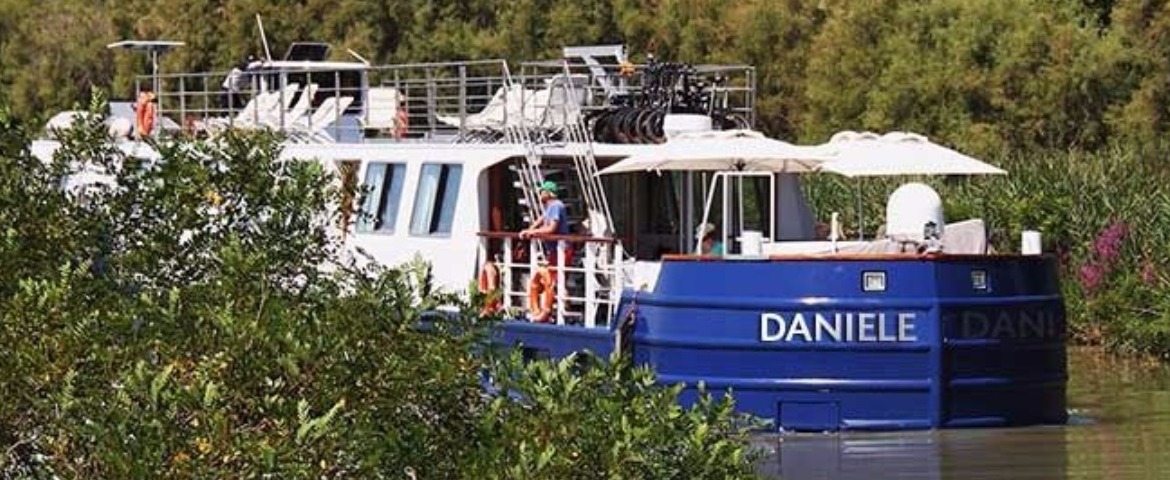
A child was born in 1822 in a tanner's house, beside a canal that smelled of leather and cold water. His name was Louis Pasteur, and the whole world owes him a portion of its health. Dole, his native city, was long the capital of Franche-Comté, and it takes only docking at the Prélot port, at the foot of the old town, to understand you are arriving at a city of considerable past, remaining at a scale for wandering.

From the Port to the Tanners' Quarter

The mooring places the traveller in the best spot: the old town begins across the Doubs, whose channels and mill races embrace the ancient quarter so thoroughly that Dole is nicknamed the little Venice of the Jura. The Tanners' Canal sets the tone from the first steps. Former workshops with tall façades reflect in green water, footbridges span the current, willows dip their branches. The tanners have vanished; artists, restaurateurs and strollers have taken their place along this shaded waterway.

Pasteur's Birthplace

On Pasteur Street, precisely, the house where the scholar was born can be visited. You see the family tannery at canal level, the living quarters, personal mementos and instruments that tell the story of the Jura boy who became a benefactor of humanity: vaccination against rabies, pasteurization, victories over diseases that decimated livestock and families. The museum succeeds in remaining intimate, at a child's height. On leaving, a passage descends directly toward the bank, and suddenly you regard the canal as the first landscape those eyes ever saw.

The Collegiate and the Memory of Comté

A few steep laneways higher, the Collegiate Church of Notre-Dame dominates all: built in the 16th century, it raises a powerful bell tower visible from the surrounding countryside. Its spacious nave, its chapels and its blonde stone testify to the time when Dole, endowed with a parliament and a university, administered Franche-Comté before Louis XIV conquered the province and transferred institutions to Besançon in 1676. Around Flower Square and Besançon Street, private mansions, Renaissance courtyards and watchtowers recall this vanished grandeur. The market, beneath its halls near the church, adds a gourmand's note: fruity Comté cheese, Morbier, Morteau sausage and wines from the neighbouring Jura.

Following the Footsteps of the Perched Cat

Dole can be pleasantly explored by following the Perched Cat circuit, marked in the streets in homage to Marcel Aymé, who spent part of his childhood here and gave this title to his famous tales. The route threads the stroller from ramparts to narrow lanes, from the 17th-century Hôtel-Dieu, now a vast media library, to viewpoints over brown roofs and the Doubs. It is a playful way to miss nothing, and children enjoy spotting the feline plaques that dot the path.

Jura Gentleness

The remaining hour belongs to terraces. Those of the Tanners or Flower Square serve a glass of Savagnin or coffee accompanied by a Comté waffle, whilst swans patrol the mill races. Centre shops offer ways to bring the Jura home in your baggage: aged cheeses, yellow wine, wooden toys.

When the boat resumes the Doubs' course, the silhouette of the collegiate church lingers long above the trees. You think of what this small town has given to the world: an entire province once governed, a mischievous storyteller, an immense scholar. Medium-sized towns sometimes carry the memories of giants.

Frequently Asked Questions

At the port du Prélot, at the foot of the old town. It is the best possible spot: the historic quarter begins on the other side of the Doubs, whose arms and mill races wrap around it so completely that Dole is nicknamed the little Venice of the Jura.
Yes, entirely — the town has stayed the size of a walk. The Chat perché trail, signposted through the streets, threads from the ramparts into the lanes. Expect some climbing toward the collegiate church.
Louis Pasteur's birthplace, the Tanners' canal, then the collegiate church of Notre-Dame and the covered market. It is a comfortable pace: Dole does not ask you to run.
Louis Pasteur was born here in 1822, in a tanner's house beside the canal. Dole was also long the capital of Franche-Comté, with its own parliament and university, until Louis XIV conquered the province and moved the institutions to Besançon in 1676.
The family tannery at canal level, the living quarters, personal keepsakes and instruments telling the story of rabies vaccination and pasteurisation. The museum stays intimate, at a child's eye level. On the way out, a passage drops straight down to the bank.
A mill race lined with former workshops whose tall facades reflect in the green water, with footbridges and willows. The tanners are gone; artists, restaurateurs and walkers have taken over along this shaded ribbon of water.
A 16th-century building whose powerful bell tower is visible from the surrounding countryside. Its broad nave, chapels and blond stone speak of Franche-Comté's former standing. Around it, the place aux Fleurs and the rue de Besançon line up mansions, Renaissance courtyards and watch turrets.
A signposted route through the streets honouring Marcel Aymé, who spent part of his childhood here and gave that title to his famous tales. It runs from the ramparts to the 17th-century Hôtel-Dieu, now a media library, and on to viewpoints over the brown roofs and the Doubs.
Fruity comté, morbier and Morteau sausage, under the market halls near the collegiate church, with wines from the neighbouring Jura. This is a country market, not a tourist showcase.
The euro, cards accepted at the Pasteur museum and in shops. French is spoken; the Pasteur house receives visitors from around the world and offers English material, but the town is not otherwise very English-speaking.