Chalon-sur-Saone France
195
Cruises availables
At departure or passage at this port
AmaWaterways (82 Cruises)
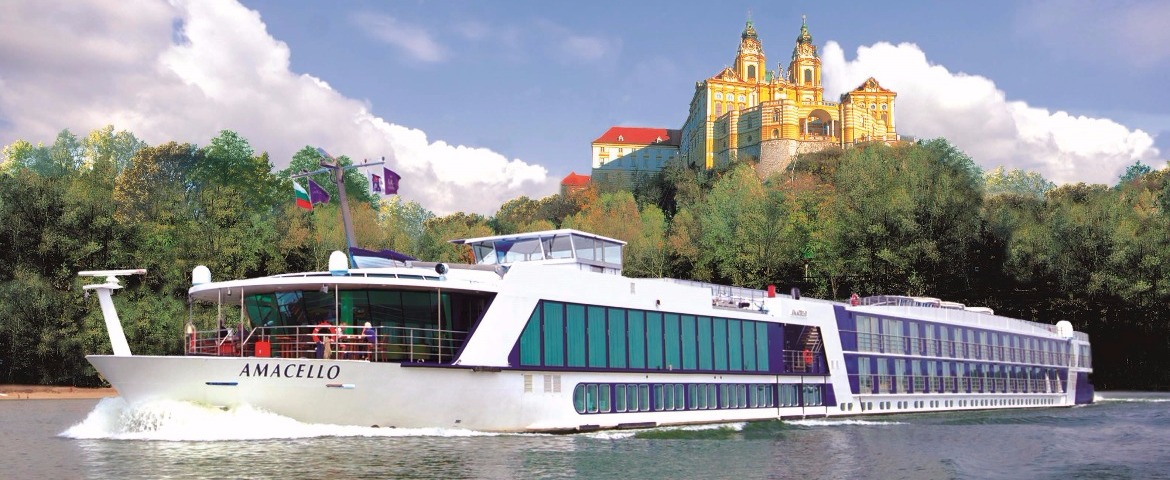
AmaCello
82 Cruises

| 22 October | 8 days | One-way from Arles to Dijon |
450-628-6241
Call us
|
| 29 October | 8 days | One-way from Dijon to Lyon |
450-628-6241
Call us
|
| 18 March | 8 days | One-way from Dijon to Lyon |
450-628-6241
Call us
|
| 25 March | 8 days | One-way from Lyon to Dijon |
450-628-6241
Call us
|
| 6 May | 8 days | One-way from Arles to Dijon |
450-628-6241
Call us
|
| 20 May | 8 days | One-way from Lyon to Dijon |
450-628-6241
Call us
|
| 27 May | 8 days | One-way from Dijon to Arles |
450-628-6241
Call us
|
| 3 June | 8 days | One-way from Arles to Dijon |
450-628-6241
Call us
|
| 10 June | 8 days | One-way from Dijon to Lyon |
450-628-6241
Call us
|
| 5 August | 8 days | One-way from Dijon to Arles |
450-628-6241
Call us
|
| 19 August | 8 days | One-way from Dijon to Arles |
450-628-6241
Call us
|
| 26 August | 8 days | One-way from Arles to Dijon |
450-628-6241
Call us
|
| 14 October | 8 days | One-way from Dijon to Arles |
450-628-6241
Call us
|
| 21 October | 8 days | One-way from Arles to Dijon |
450-628-6241
Call us
|
| 28 October | 8 days | One-way from Dijon to Lyon |
450-628-6241
Call us
|
| 23 March | 8 days | One-way from Arles to Dijon |
450-628-6241
Call us
|
| 30 March | 8 days | One-way from Dijon to Lyon |
450-628-6241
Call us
|
| 6 April | 8 days | One-way from Lyon to Dijon |
450-628-6241
Call us
|
| 13 April | 8 days | One-way from Dijon to Arles |
450-628-6241
Call us
|
| 20 April | 8 days | One-way from Arles to Dijon |
450-628-6241
Call us
|
| 6 July | 8 days | One-way from Dijon to Arles |
450-628-6241
Call us
|
| 16 July | 8 days | One-way from Arles to Dijon |
450-628-6241
Call us
|
| 27 July | 8 days | One-way from Dijon to Arles |
450-628-6241
Call us
|
| 6 August | 8 days | One-way from Arles to Dijon |
450-628-6241
Call us
|
| 17 August | 8 days | One-way from Dijon to Arles |
450-628-6241
Call us
|
| 27 August | 8 days | One-way from Arles to Dijon |
450-628-6241
Call us
|
| 12 October | 8 days | One-way from Lyon to Dijon |
450-628-6241
Call us
|
| 19 October | 8 days | One-way from Dijon to Arles |
450-628-6241
Call us
|
| 26 October | 8 days | One-way from Arles to Dijon |
450-628-6241
Call us
|
Avalon Waterways (18 Cruises)
Avalon Poetry II®
14 Cruises



CroisiEurope (8 Cruises)



Riviera Travel (62 Cruises)
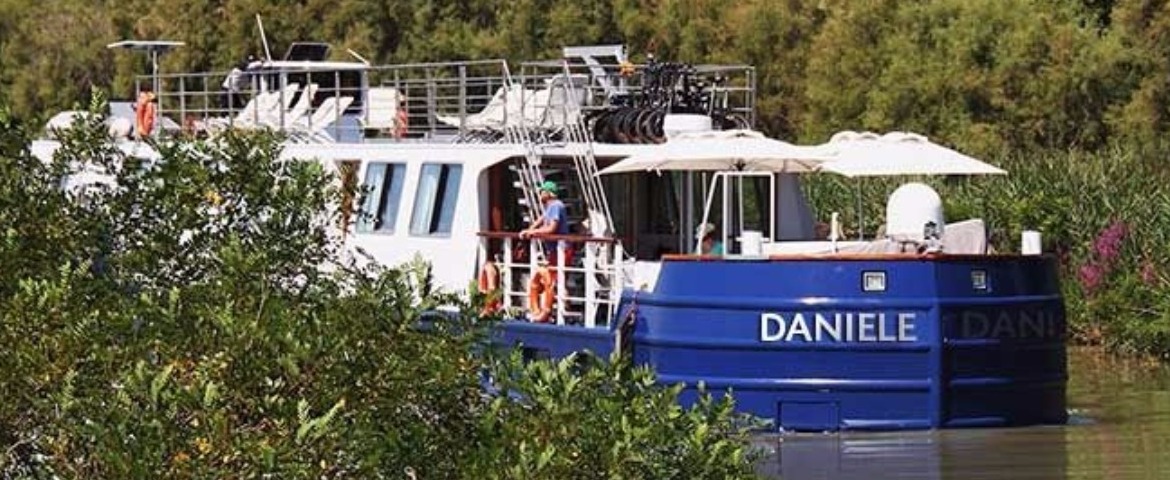
MS Lord Byron
22 Cruises


| 23 May | 10 days | Round-trip Lyon, Provenal Rhne the Camargue River Cruise - MS Lord Byron |
450-628-6241
Call us
|
| 23 May | 11 days | Round-trip from Lyon, France |
450-628-6241
Call us
|
| 17 July | 14 days | One-way from Avignon to Paris City |
450-628-6241
Call us
|
| 17 July | 15 days | One-way from Avignon to Paris City |
450-628-6241
Call us
|
MS Thomas Hardy
40 Cruises

| 28 March | 8 days | One-way from Lyon to Avignon |
450-628-6241
Call us
|
| 28 March | 7 days | One-way from Lyon to Avignon |
450-628-6241
Call us
|
Tauck Cruises (25 Cruises)
MS lumière
25 Cruises



Port of Chalon-sur-Saône, France | Cruise Port Guide
Frequently Asked Questions
Along the Saône quays, a few minutes' walk from the old centre. No transfer, no shuttle: you walk down the gangway and the town begins, with its plane trees and barges.
Because Nicéphore Niépce fixed the very first photograph in history here in the 1820s, a few kilometres from these quays. The museum bearing his name occupies a former mansion on the waterfront.
The story of photography, from the Chalon pioneer's heliographs to cameras built for space. The visit fits easily into a morning and the museum is steps from the mooring.
One of the prettiest urban scenes in southern Burgundy: colourful half-timbered houses, cafe terraces and a market on certain days. Saint-Vincent cathedral, built between the eleventh and sixteenth centuries, mixes Romanesque and Gothic without apology.
An island in the middle of the Saône, long the quarter of hospices and boatmen, reached by a single bridge. It lines up restaurants and old facades around the Tour du Doyenné, an elegant fifteenth-century structure rebuilt stone by stone at the island's tip.
The Niépce museum, Place Saint-Vincent and the cathedral, then a walk around the Île Saint-Laurent at water level. That last loop gives the best views of the rooftops and quays, especially late in the day.
The string of wine villages that extends the great growths of Burgundy southwards: Rully, Mercurey, Givry, Montagny. Excursions reach them in about twenty minutes, for an estate tasting or a visit to a growers' village.
Yes, and you miss nothing: the wine bars in the centre pour these appellations by the glass, with gougeres or jambon persillé.
Friday and Sunday mornings, in the streets of the centre. It is one of the most respected in the region: saucisson, aged Comté and country bread make up a picnic to take back to the sun deck.
Bœuf bourguignon, œufs en meurette, snails and goat cheeses from the neighbouring Mâconnais appear on most menus. The pedestrian streets in the centre are lined with cheesemongers, wine merchants and pastry shops.


