Opatija Croatia
117
Cruises availables
At departure or passage at this port
Azamara Club Cruises (18 Cruises)
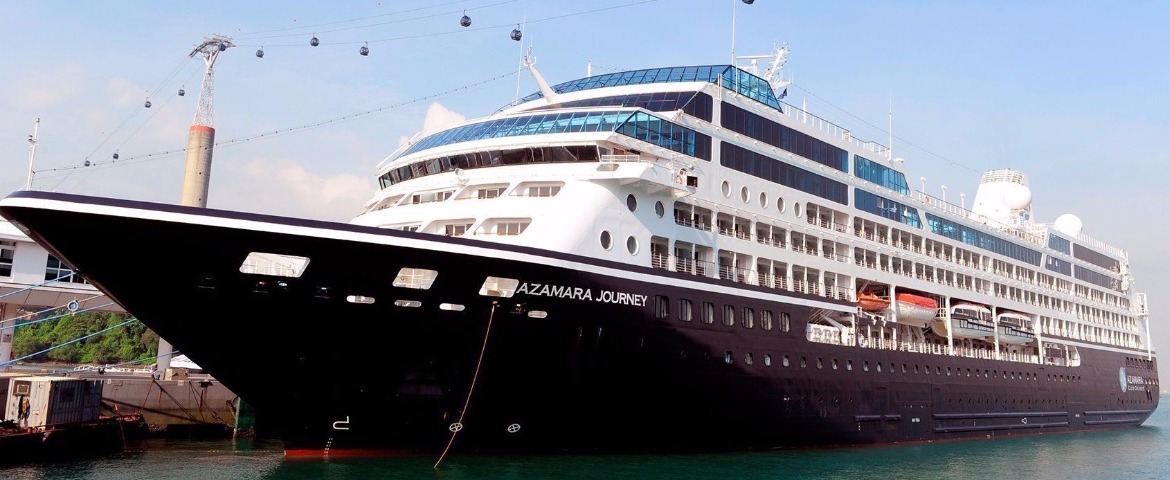
Azamara Journey
10 Cruises

| 25 March | 43 days | One-way from Lisbon to Piraeus-Athens |
450-628-6241
Call us
|
| 25 March | 42 days | One-way from Lisbon to Piraeus-Athens |
450-628-6241
Call us
|
| 15 April | 22 days | One-way from Civitavecchia-Rome to Piraeus-Athens |
450-628-6241
Call us
|
| 25 April | 12 days | One-way from Venice to Piraeus-Athens |
450-628-6241
Call us
|
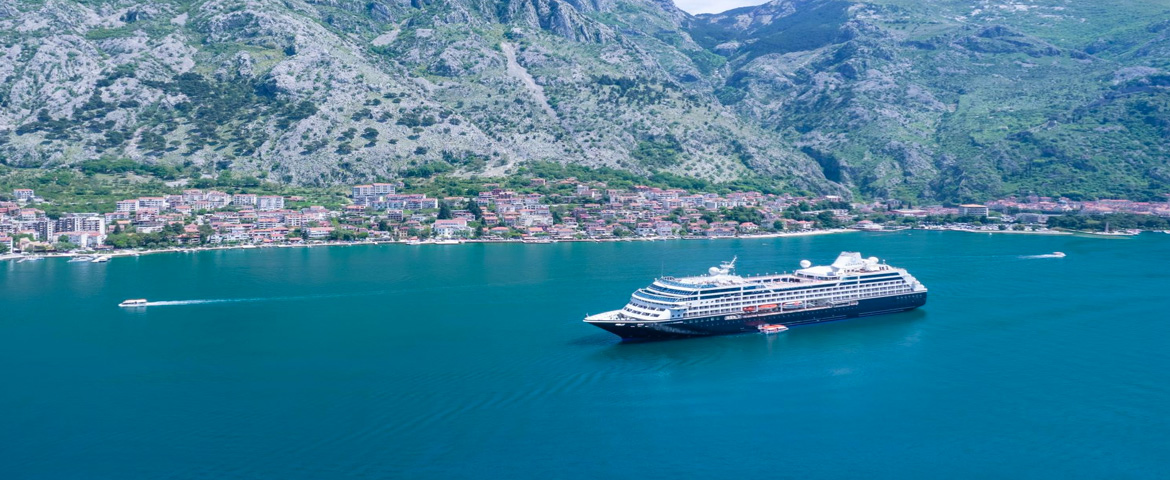
Emerald Waterways (72 Cruises)
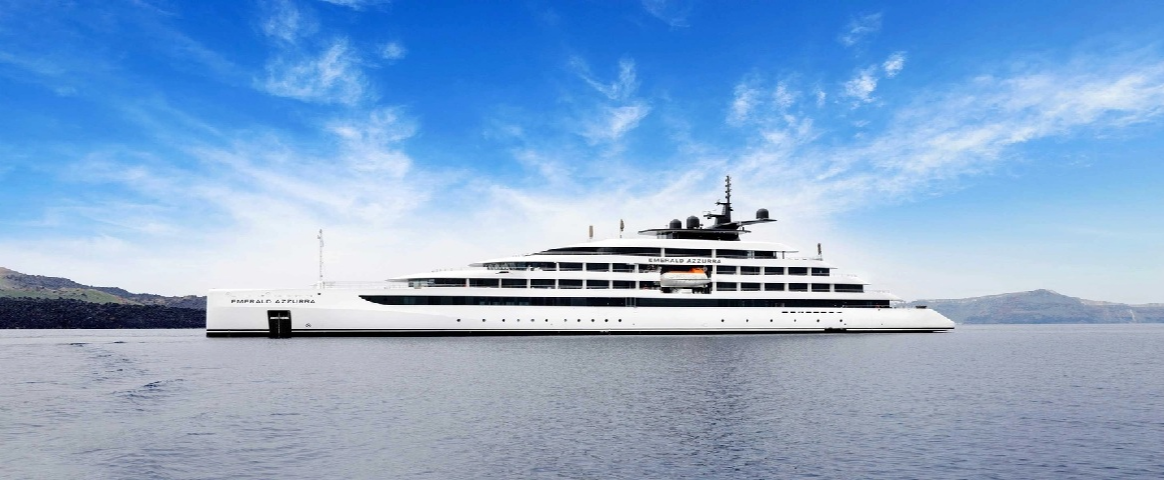
Emerald Azzurra
22 Cruises

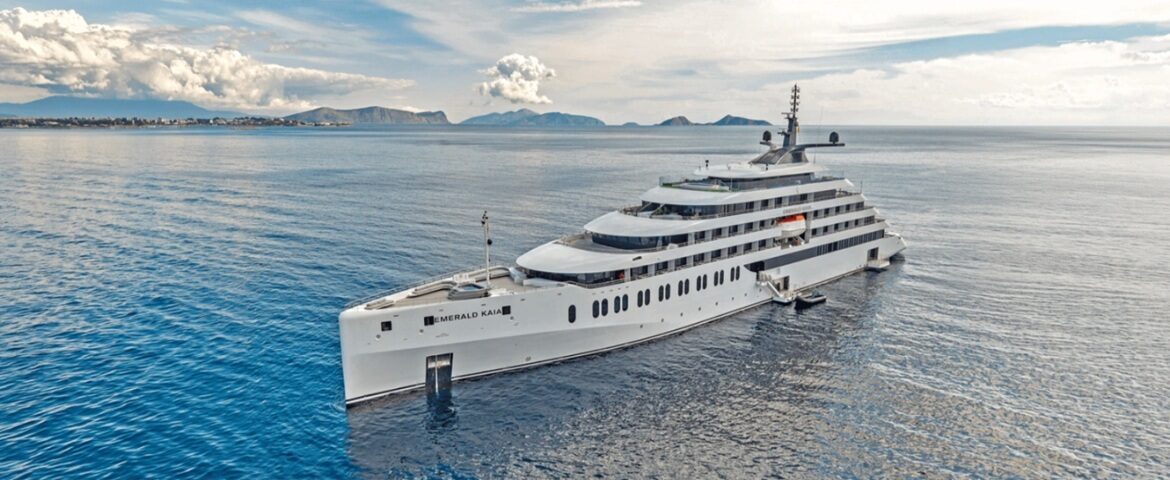
Emerald Kaia
46 Cruises
| 29 May | 8 days | One-way from Dubrovnik to Venice |
450-628-6241
Call us
|
| 30 May | 5 days | One-way from Dubrovnik to Venice |
450-628-6241
Call us
|
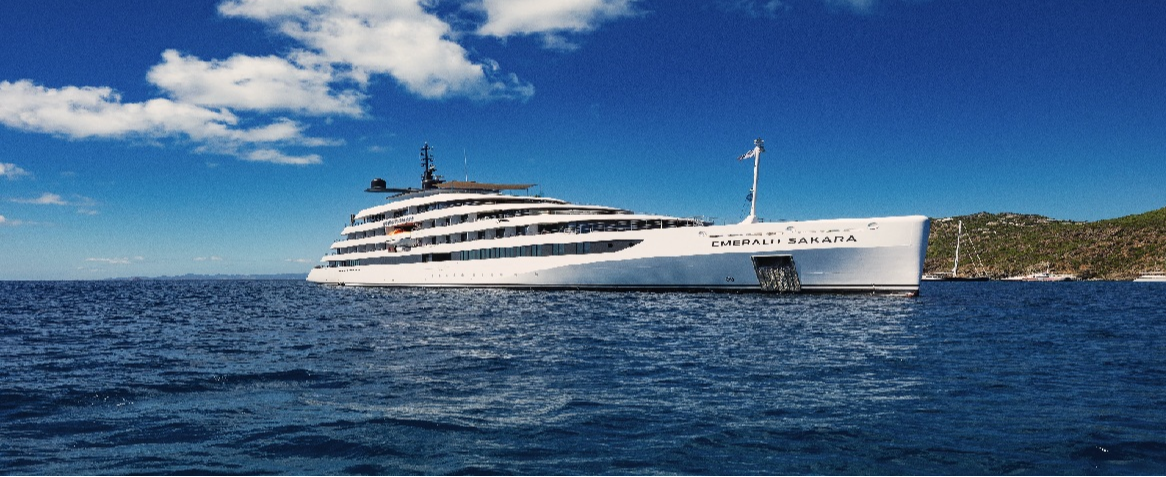
Emerald Sakara
4 Cruises
Windstar Cruises (27 Cruises)
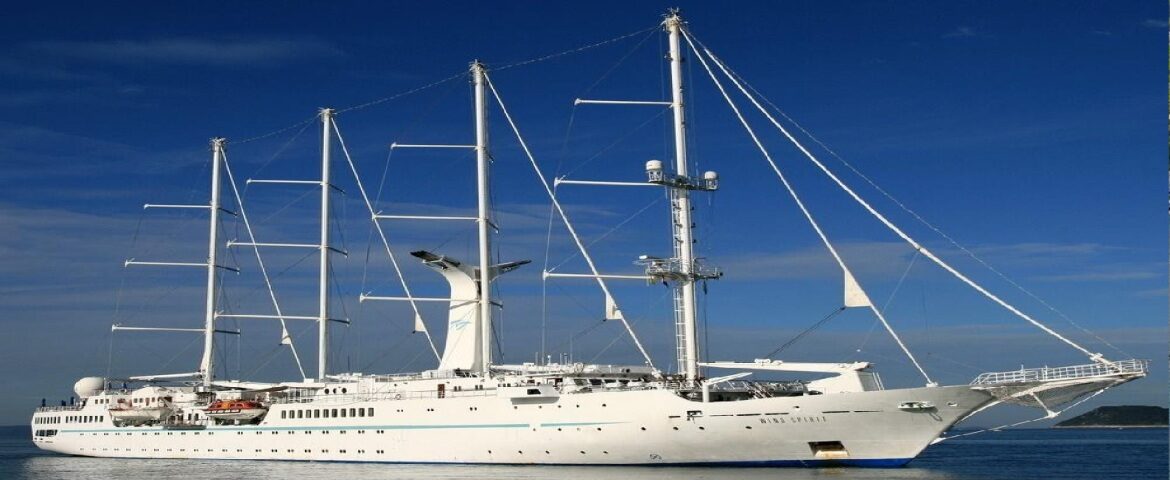
Wind Spirit
27 Cruises

| 22 March | 26 days | One-way from Barcelona to Venice |
450-628-6241
Call us
|
| 29 March | 19 days | One-way from Civitavecchia-Rome to Venice |
450-628-6241
Call us
|
| 8 April | 9 days | Round-trip from Venice, Italy |
450-628-6241
Call us
|
| 16 April | 9 days | Round-trip from Venice, Italy |
450-628-6241
Call us
|
| 24 April | 9 days | Round-trip from Venice, Italy |
450-628-6241
Call us
|

Port of Opatija, Croatia | Cruise Port Guide
Frequently Asked Questions
At anchor off the resort. Tenders land passengers at the central mole, a few minutes' walk from the first gardens. The call begins exactly where the old spa promenade once did.
Yes, and it is the best way. Angiolina Park and the Belle Époque villas line the landing, and the Lungomare, a flat shaded shore promenade, starts straight from the centre.
A shore promenade laid out in the late 19th century that follows the coast for twelve kilometres between Volosko and Lovran. The path is flat, shaded by holm oaks and laurels, punctuated by stone bathing coves. An hour's walk in either direction captures the spirit of the place.
Angiolina Park and the Croatian Museum of Tourism in the villa of the same name, then a walk along the Lungomare to Volosko, about thirty minutes, with a fish lunch in a harbour konoba. This is a strolling call, not a monument-ticking one.
The founding garden of the resort. In 1844 the merchant Iginio Scarpa built a villa here and surrounded it with plants brought from Japan, China and South America by his trading ships. More than a hundred species now form a botanical garden; the villa houses the Croatian Museum of Tourism.
A bronze statue set on a wave-washed rock along the Lungomare. It is the most photographed symbol of the region and the surest landmark for placing yourself on the path.
Because it was the favourite shore of the Viennese and Hungarian aristocracy. Archdukes, doctors and composers came to breathe sea air reputed to cure everything. The Hotel Kvarner, opened in 1884, was the first grand hotel on the eastern Adriatic coast.
A former fishing village that has kept its scale: a tiny harbour, boats moored close together, lanes between stone houses. A few konobas serve squid from the bay at tables set almost on the water. Thirty minutes on foot along the shore from the centre.
The euro and Croatian. English and Italian are widespread, German too. Cards are accepted throughout the resort.
Reasonably good. The Lungomare is flat and paved along its full length, and Angiolina Park has wide level paths. The constraint is the tender landing, which depends on sea conditions.


