Jingzhou | Cruise Port Guide

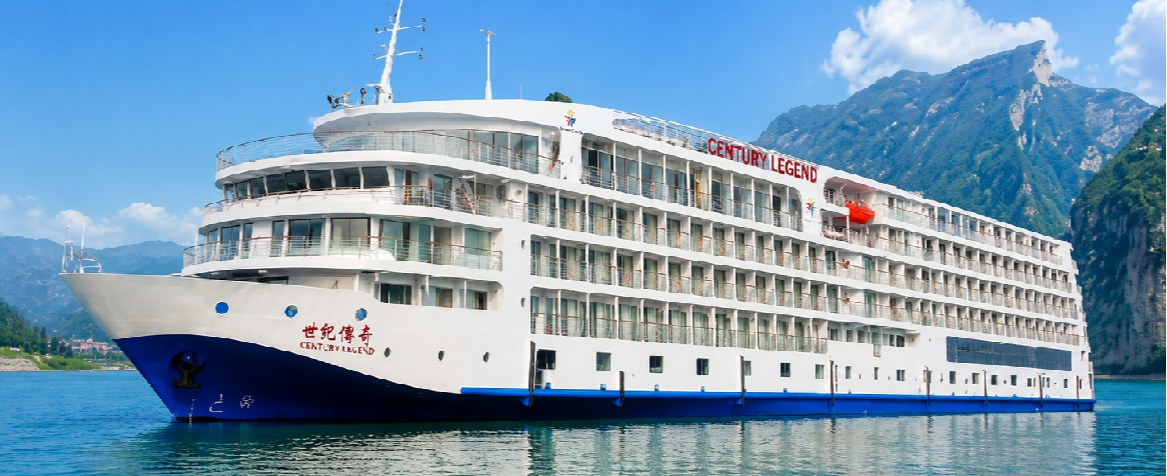
On the middle Yangtze, between the spectacular gorges upstream and the rice paddies downstream, river cruises make a stop whose reason comes down to a single figure: eleven kilometres of city walls. Those of Jingzhou, raised under the Ming, rank among the best preserved in all of China, and they still ring the old town just as they did in the time of the dynasties. Ships moor at the river dock, some distance from the old centre; companies systematically organize the transfers and guided tours, so the stop requires no logistics of your own, just follow your group and keep your eyes open.

The Ming Wall

Standing roughly nine metres tall and lined with a moat where willows are reflected, the brick fortifications are pierced by monumental gates topped with watchtowers. You walk along the rampart path, between battlements and upturned rooftops, with the quiet moat on one side and the city streets on the other, a view few Chinese cities can still offer with such continuity. Beneath the gate arches, cyclists and fruit sellers pass through just as they have for generations, unconcerned by the six centuries of brick looming over them. Red lanterns hung on the towers add a touch of theatre on evening stops.

In the Land of the Three Kingdoms

Jingzhou holds a special place in the Chinese imagination: the region was one of the major settings of the Three Kingdoms period, in the third century, immortalized in one of the country's great classic novels. General Guan Yu, the legendary defender of the city turned deified figure of loyalty, has his own temple here, where the faithful leave incense and offerings between one tour group and the next; the expression "to borrow Jingzhou and never give it back" is still used today, eighteen centuries later, to describe a loan that will never be returned. Local guides tell these tales of strategists, oaths, and betrayals with infectious enthusiasm, no need to know the novel to get swept up in them.

Treasures of the Chu Kingdom

Long before the Three Kingdoms, this region was home to the capital of the powerful state of Chu. The Jingzhou Museum preserves an exceptional legacy of it: red and black lacquerware decorated with bird motifs, ancient silks of astonishing fineness, and a remarkably well-preserved Han-era body discovered nearby. In front of some display cases, it's hard to believe these fabrics are more than two thousand years old, guides are happy to give visitors time to study the patterns in detail. The visit, often included in the river companies' excursions, pairs perfectly with a walk along the walls.

Life Along the Water

Between sites, the modern city carries on its everyday life as a prefecture of Hubei: parks where group dancing starts as early as morning, vendors selling spicy beef noodles, the local specialty, card players under the trees by the moat. These ordinary scenes, glimpsed from the coach window or during a pause, give the stop its breathing room and are a reminder that the walls protect, above all, an everyday life. Excursions generally build in a bit of free time: a few minutes are enough to buy a tea, trade a few words by gesture, and walk away with a smile.

Heading back to the river, you carry away a double image: the grey brick of the fortifications and the scarlet gloss of the Chu lacquerware. Two thousand years passed between the two, and the Yangtze still flows at the foot of the same city, and it's that depth of time, more than any single monument, that gives this stop its worth.

Frequently Asked Questions

At the river quay, some distance from the old town. Cruise lines always organize the transfers and guided visits: the call requires no personal logistics, you simply follow your group.
For its walls: eleven kilometres of Ming-era fortifications, among the best preserved in all of China. They still enclose the old town as they did under the dynasties, between the upstream gorges and the downstream rice plains.
Yes, along the parapet walk between crenellations and upturned roofs. The walls stand about nine metres high and are backed by moats where willows are reflected. On one side the quiet ditches, on the other the city streets.
The region was one of the major stages of that third-century era, immortalized in one of the great Chinese classical novels. General Guan Yu, the legendary guardian of the city who became a deified figure of loyalty, has his temple here.
It refers to a loan you will never see again, and is still used eighteen centuries after the Three Kingdoms events that produced it. Local guides recount it with infectious enjoyment.
The legacy of the Chu kingdom, whose capital stood in this region long before the Three Kingdoms: red and black lacquers with bird motifs, ancient silks of astonishing fineness, and a remarkably preserved Han-era body found nearby.
Not at all. Local guides tell these stories of strategists, oaths and betrayals with infectious enjoyment: you do not need to have read the novel to be drawn in.
Spicy beef noodles are the local speciality, sold widely across the modern city. Excursions usually allow a free stop: a few minutes are enough to buy tea or try something on the go.
A Hubei prefecture getting on with its life: parks where people dance in groups from early morning, noodle vendors, card players under the trees along the moat. These ordinary scenes remind you that the walls protect a daily life first of all.
A double image: the grey brick of the Ming fortifications and the scarlet lacquer of the Chu treasures. Two thousand years separate them, and the Yangtze still runs at the foot of the same city. That depth of time is what gives the stop its value.