Iquique Chile
Chile
64
Cruises availables
At departure or passage at this port
Azamara Club Cruises (6 Cruises)
Azamara Journey
6 Cruises
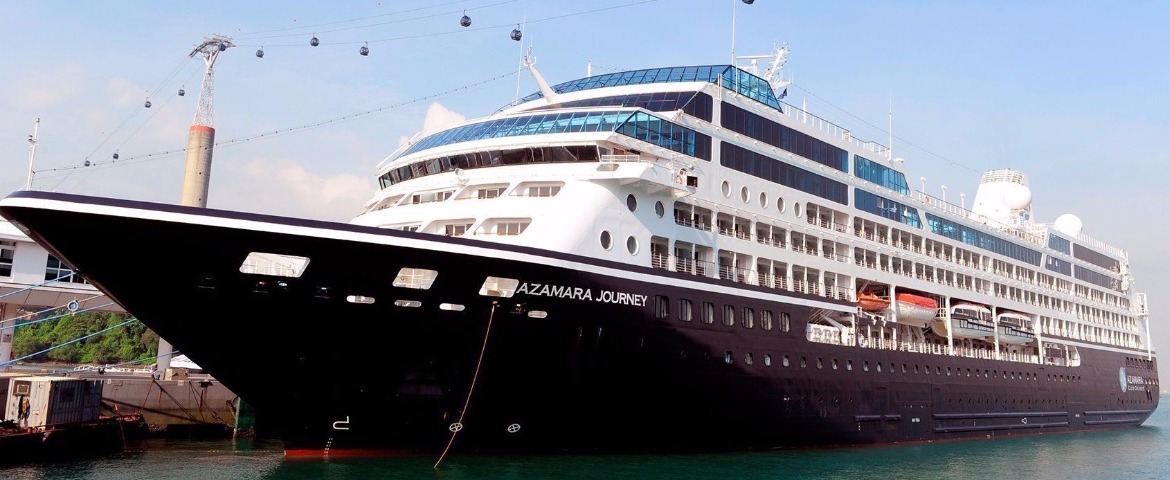

| 14 January | 74 days | Round-trip South America Azamara Journey Miami Fl |
450-628-6241
Call us
|
| 14 January | 75 days | Round-trip from Miami, USA |
450-628-6241
Call us
|
Crystal Cruises (6 Cruises)
Crystal Serenity
6 Cruises
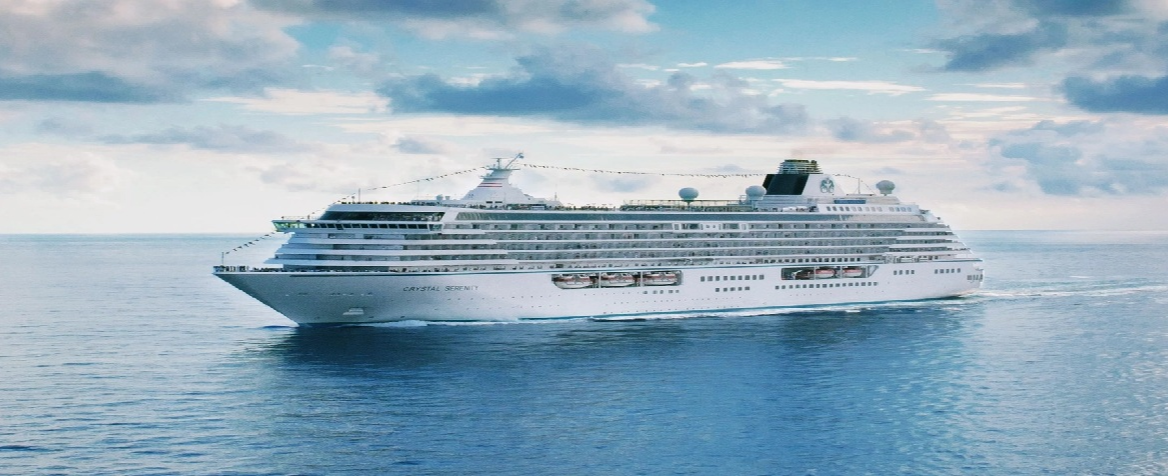

| 12 October | 71 days | One-way from New York to Fort Lauderdale |
450-628-6241
Call us
|
| 12 October | 72 days | One-way from New York to Fort Lauderdale |
450-628-6241
Call us
|
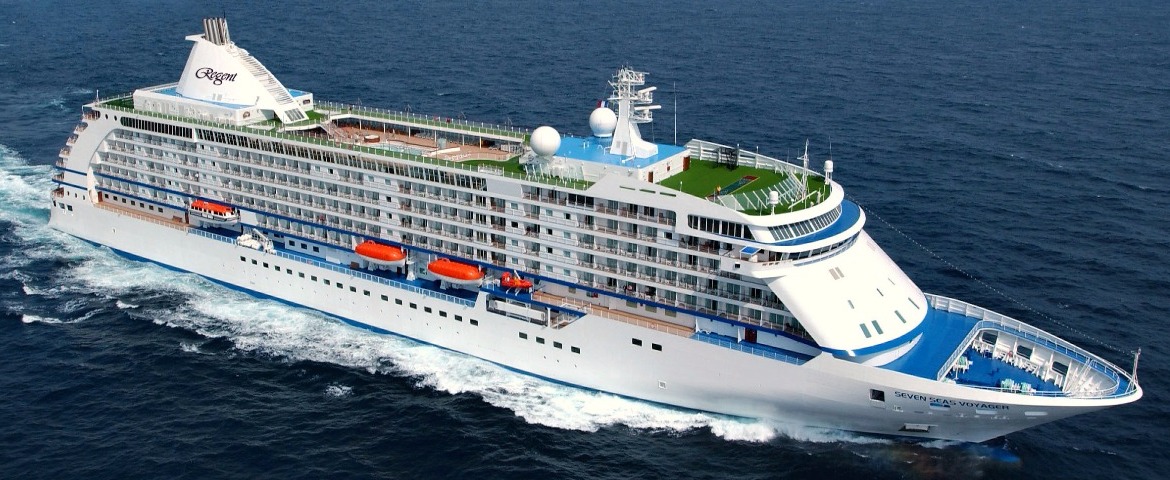
Regent Seven Seas Cruises (8 Cruises)
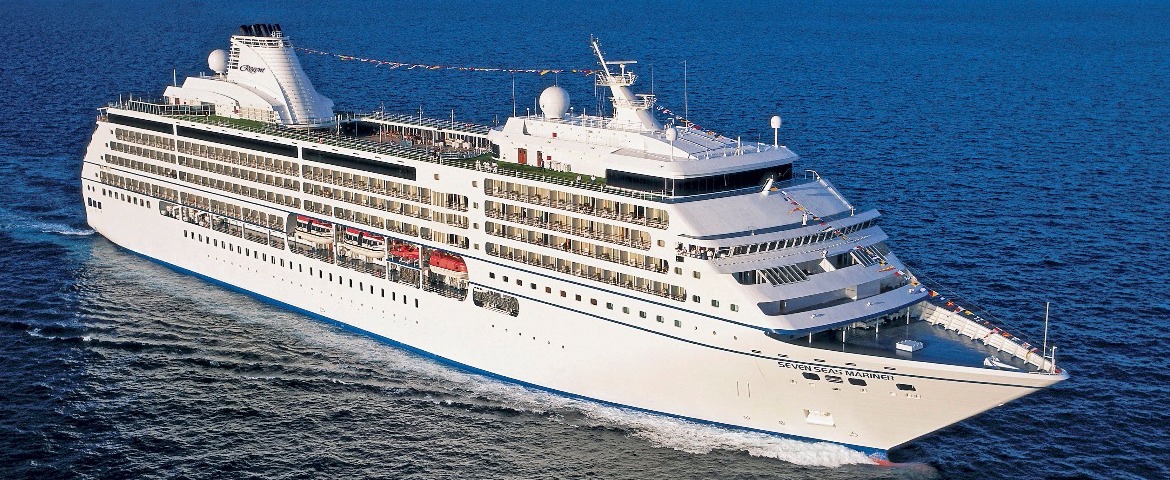
Seven Seas Mariner
5 Cruises

Seabourn Cruise Line (9 Cruises)
Seabourn Quest
9 Cruises
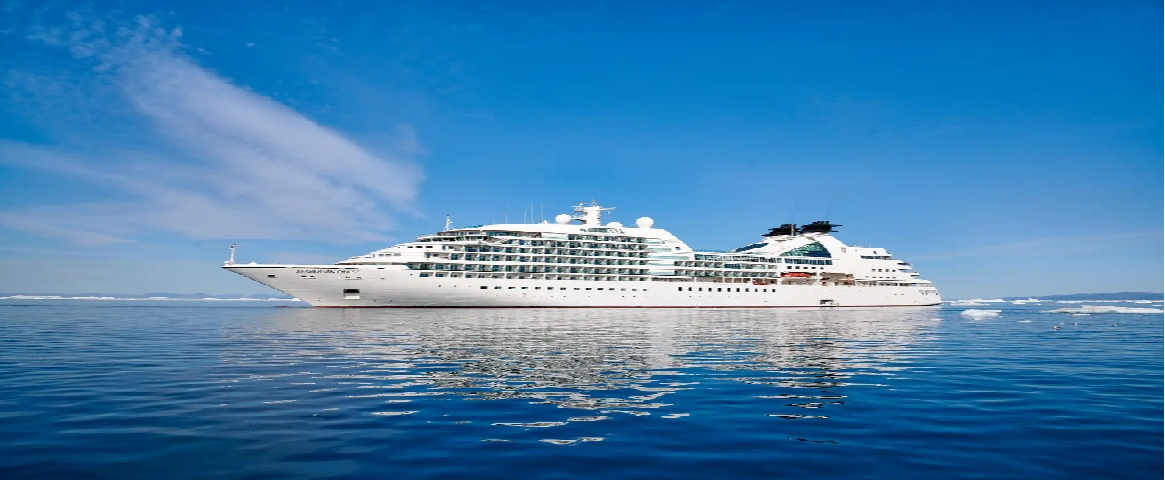

Viking Ocean Cruises (35 Cruises)
Viking Octantis
20 Cruises


| 15 March | 63 days | One-way from Buenos Aires to Milwaukee WI |
450-628-6241
Call us
|
| 16 March | 60 days | One-way from Buenos Aires to Milwaukee WI |
450-628-6241
Call us
|
Viking Polaris
15 Cruises

| 14 March | 63 days | One-way from Buenos Aires to Milwaukee WI |
450-628-6241
Call us
|
| 15 March | 60 days | One-way from Buenos Aires to Milwaukee WI |
450-628-6241
Call us
|

Port of Iquique | Cruise Port Guide
Frequently Asked Questions
At the passenger terminal on Arturo Prat Avenue, right beside the city centre. The visit starts on foot at the bottom of the gangway: this is one of the most walkable calls on Chile's northern coast.
The historic centre on foot, the corvette Esmeralda near the port, then Cavancha beach a few minutes away by taxi. Humberstone needs a separate half day: the two programmes do not combine in a short call.
The centre's signature street, lined with Georgian-inspired wooden houses with galleries, balconies and plank sidewalks. Timber, precious on this treeless coast, arrived by ship, often from Oregon: a luxury that announced the nitrate boom's prosperity.
Because it was off Iquique, in 1879, that Captain Arturo Prat's ship went down facing Peruvian ironclads, a sacrifice that became a founding story in Chile. A faithful replica can be visited near the port: guns, hammocks and officers' wardroom.
A UNESCO-listed nitrate ghost town about an hour into the desert, along with Santa Laura. Theatre, school, workers' housing and frozen machinery: thousands lived here until synthetic nitrate killed the industry.
Half a day including transport. You wander freely among the workshops, the housing and the central square, where the wind rattles the sheet metal. Bring water and a hat: the pampa sun gives no quarter.
Yes, at Cavancha beach a few minutes from the centre: palms, golden sand and surfers in the water almost year-round. The water stays cool, chilled by the Humboldt Current, but the beach is a pleasant way to end a call.
A giant dune towering over the city's southern districts at the foot of the Atacama escarpment. Paragliders circle in the warm air above it and land on Cavancha's sand like tired birds. It is the silhouette that identifies Iquique at a glance.
Yes, the free-trade zone is a vast duty-free mall that draws shoppers from across northern Chile. It sits outside the centre: allow for a taxi and time, and weigh it against the historic quarter.
The Chilean peso and Spanish. English is not widespread outside tourist businesses and the free-trade zone. Cards work well downtown, less so with small vendors.


