Cotonou Benin, Porto-Novo
Benin
11
Cruises availables
At departure or passage at this port
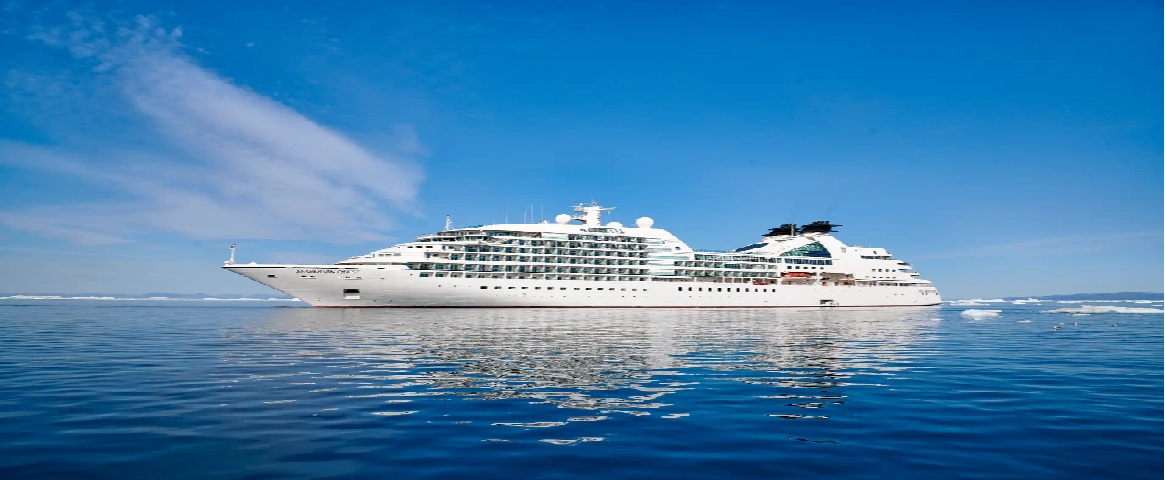
Seabourn Cruise Line (10 Cruises)
Seabourn Quest
10 Cruises

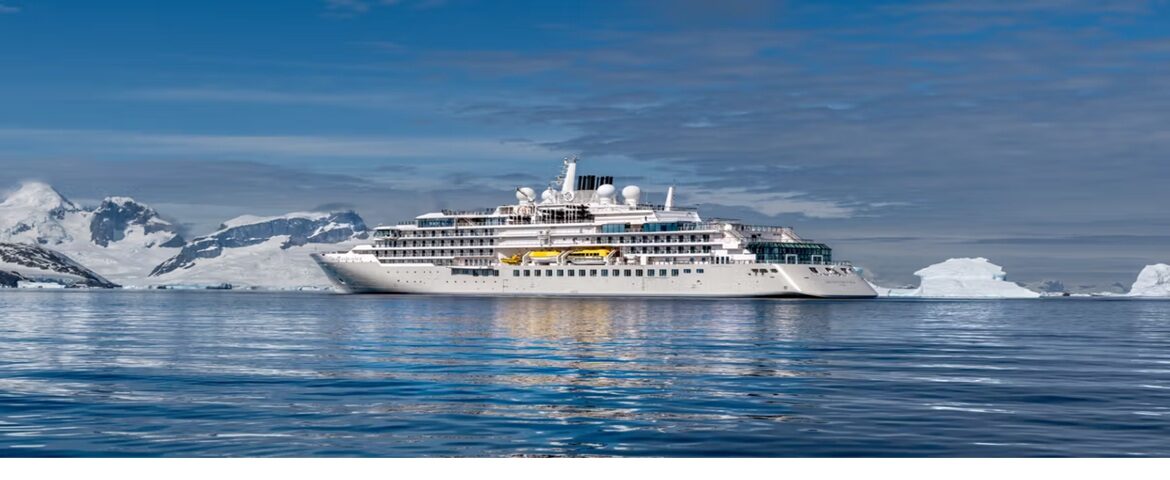
Silversea Cruises (1 Cruises)

Port of Cotonou, Benin | Cruise Port Guide
Frequently Asked Questions
In the commercial port on the Gulf of Guinea. It is an active industrial port: downtown and the Dantokpa market are a few kilometres away by taxi or excursion shuttle.
No. The port is a commercial terminal and the city is too spread out to walk. You need a taxi or the excursion shuttle, and a guide makes things far easier.
Ganvié, the lake village, is the standout excursion: allow 30 to 40 minutes by road, then the pirogue. If time is short, the Dantokpa market and the Zinsou Foundation fit into half a day.
A stilt village where thousands of people have lived above Lake Nokoé since the 17th century. Houses, school, floating market: everything moves by boat, and fishermen still practise acadja, a brushwood enclosure technique.
The village was founded by the Tofinu people, who took refuge on the lake to escape slave raids: water was then considered protected ground. Guides tell this story during the pirogue crossing.
One of the largest open-air markets in West Africa, spread over some 20 hectares near the lagoon. Printed fabrics, spices, yams, enamel basins: every aisle has its specialty, including a whole section devoted to vodun ritual objects.
Yes, the official capital is about 38 kilometres northeast, a good hour each way. Afro-Brazilian colonial buildings, museums and a large market. The round trip combines well with a morning at Ganvié.
Yes, at the Zinsou Foundation, which shows photography, painting and sculpture by contemporary African artists in a light-filled space with a shop and café. Few cruise passengers expect to find such a lively art scene here.
The West African CFA franc, and French, the official language. Bring cash; cards are poorly accepted outside major hotels.
Only moderately. The Ganvié pirogue ride fascinates children, but the heat, the dense zémidjan motorbike traffic and the Dantokpa crowds demand vigilance. A guided excursion is clearly preferable to exploring on your own.


