Port of Ostend, Belgium | Cruise Port Guide

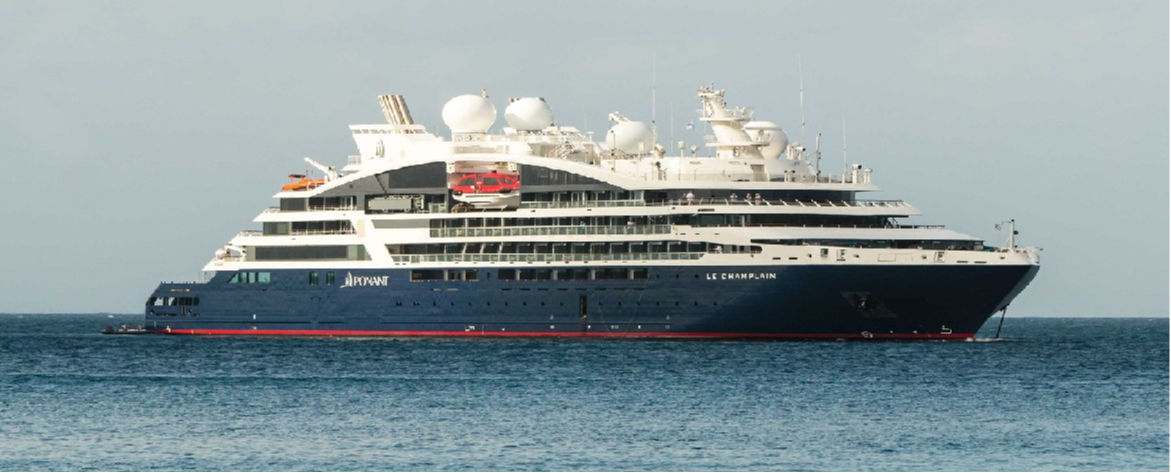
The ship slips into a narrow channel, between a long pier battered by the North Sea and terraces where grey shrimp are served. In Ostend, docking is already part of the visit: the quay borders the centre, next to a Belle Époque–style railway station, and the first shopping street is just a few minutes' walk away. The town once nicknamed the queen of beaches in the days of Leopold II has lost none of its taste for seaside strolling.

A straightforward landing

From the moment you leave the terminal, the setting sets the tone. Marina basins line up at the foot of the façades, fishmongers' stalls occupy the Visserskaai, the fishermen's quay, and the Gothic Revival bell tower of the Church of Saints Peter and Paul rises above the rooftops. Everything can be done on foot. Passengers who wish to explore the coast can board the Coast Tram, whose stop is near the station: the line serves the entire Belgian coastline, from one border to the other.

The Mercator, three masts at rest

In the marina, the white masts of the Mercator tower over the neighbouring sailboats. This former training ship of the Belgian merchant navy is now open to the curious: you walk the deck, lean over the navigation instruments and imagine the cadets climbing the rigging. Around the marina, cafés and benches invite you to watch the comings and goings of yachters.

The promenade, the sand and the Kursaal

A few streets away, the Albert I Promenade unrolls its wide walkway between the buildings and the beach. The sand stretches as far as the eye can see, dotted with pale beach huts and windbreaks. In the middle of the promenade stands the Kursaal, the casino rebuilt in 1953 by architect Léon Stynen, whose modernist curves face the sea. Continuing west, the Royal Galleries line up their colonnades to the former Wellington racecourse, a reminder of royal summers.

Ensor and art by the sea

Ostend was the town of James Ensor, painter of masks and carnivals. His house, a stone's throw from the seafront, can be visited and preserves his studio as well as the shell shop run by his family. Enthusiasts continue on to Mu.ZEE, the art museum set a little back from the waterfront, where Ensor's canvases hang alongside those of Léon Spilliaert, another native son fascinated by nights on the coast.

Across the channel

On the east bank of the channel, Fort Napoleon has stood guard in the dunes since the early 19th century. This surprisingly well-preserved brick pentagon tells of the time when the emperor feared an English landing. Farther west, at Raversijde, an open-air museum preserves one of the best-preserved sections of the Atlantic Wall: bunkers, trenches and observation posts follow one another through the dunes, accessible by tram.

Practical pointers

  • Docking right in the centre; station and Coast Tram immediately next to the quay.
  • Mercator, promenade, beach and Ensor House: all within walking distance.
  • Fort Napoleon and the Atlantic Wall museum (Raversijde): take the tram or a taxi.
  • Currency: euro. Dutch dominates, but French is widely understood.

A last look out to sea

Before returning on board, treat yourself to a cone of grey shrimp facing the sea, where the wind mixes the cries of gulls with the conversations of strollers. Ostend is no frozen stage set: it is a seaside resort that lives all year round, with its fishermen, its swimmers and its painters. You leave promising yourself to come back on a summer evening, when the promenade lights up and the North Sea takes on pewter reflections.

Frequently Asked Questions

In a narrow channel running right along the city centre, next to a Belle Époque railway station. The first shopping street is a few minutes' walk away.
No. The berth is right downtown and everything is walkable: marinas, the fishermen's quay, the seawall promenade and the beach. Only Fort Napoleon and the Raversijde museum need the tram or a taxi.
The three-masted Mercator in the marina, the Albert I promenade along the beach and James Ensor's house. Anyone wanting to see the coast can take the coastal tram near the station.
The former training ship of the Belgian merchant navy, moored in the marina and open to visitors. You walk the deck and examine the navigation instruments.
The painter of masks and carnivals, a son of the city. His house, steps from the seafront, can be visited and preserves his studio and the seashell shop his family ran. The Mu.ZEE extends the visit with Léon Spilliaert.
Yes. The Albert I promenade runs its broad walkway between the buildings and the sand, which stretches out of sight, dotted with pale beach huts and windbreaks. It is a few streets from the quay.
Yes, at Raversijde slightly west, reachable by tram. This open-air museum preserves one of the best-kept sections: bunkers, trenches and observation posts follow one another through the dunes.
The euro. Dutch dominates, since Ostend is in West Flanders, but French is widely understood, more so than in most Flemish cities.
A cone of grey shrimp facing the sea, on the Visserskaai, where fishmongers' stalls line the fishermen's quay. It is the local specialty and it is eaten standing up.
Yes. The beach is minutes from the quay, the Mercator entertains children, and the coastal tram serving the entire Belgian shoreline from border to border becomes an outing in itself.