Liege Belgium, Luttich

24 Cruises availables At departure or passage at this port

Port of Liège, Belgium | Cruise Port Guide

On Sunday mornings, the quays of the Meuse turn into a river of colour: stalls as far as the eye can see, smells of roast chicken and cheese, Walloon accents ringing out above the crates. La Batte, the oldest and largest market in Belgium, sets the tone for a port call in the Cité ardente, the "fiery city": here, life isn't visited, it's caught on the fly. A Walloon metropolis with character, the thousand-year-old city of the prince-bishops lines up its bridges and museums along the water, and river vessels moor a short distance from the historic heart.

Climbing the 374 Steps

The local rite of passage has a name: the Montagne de Bueren. This monumental staircase of 374 steps climbs straight up to the old citadel, between brick houses and small gardens clinging to the slope. The climb has to be earned, but each landing widens the picture: slate roofs, steeples, the river's meander, the hills of the Ardennes in the distance. The less athletic will take the neighbouring hillsides, zigzagging paths through orchards and urban vineyards, for a comparable panorama at a gentler pace. Back down in the lively Outremeuse district or the lanes of the centre, you're left with one certainty: this metropolis is conquered vertically.

From the Prince-Bishops' Palace to the Grand Curtius

For eight centuries, Liège was the capital of an independent ecclesiastical principality, and its old quarters still bear the imprint. The Palace of the Prince-Bishops, with its two inner courtyards lined with carved columns, dominates Place Saint-Lambert, built on the foundations of the former cathedral destroyed during the Revolution. A few minutes along the quays, the Grand Curtius brings together, in a 17th-century red-brick palace, collections of weapons, glass, archaeology and Mosan art: the Romanesque goldsmithing of the Meuse valley ranks among the high points of medieval European art. St. Paul's Cathedral and its treasury round out the heritage tour.

Waffles, Boulets and Neighbourhood Spirit

Liège is enjoyed as much at the table as in the museum. The local waffle, dense and studded with pearl sugar, is eaten hot, by hand, on the go. Boulets-frites, meatballs smothered in a sweet-and-sour pear sauce, serve as the national dish; every family defends its recipe. Le Carré, a maze of pedestrian streets, is packed with cafés and taverns where beer stands alongside peket, the local juniper brandy, served plain or flavoured. The welcome is direct, warm and unfussy: Liège locals love their city and let you know it.

Modernity Signed Calatrava

Liège can also surprise with its contemporary face. Liège-Guillemins station, a vessel of glass and white concrete designed by Santiago Calatrava, is worth the trip even without a train to catch: its 200-metre undulating vault has redefined the southern entrance to the city. Between the station and the shopping core, the Parc de la Boverie and its fine arts museum occupy a green island, linked to the bank by a slender footbridge. The seasonal river shuttle links these stops along the water.

Port Call Pointers

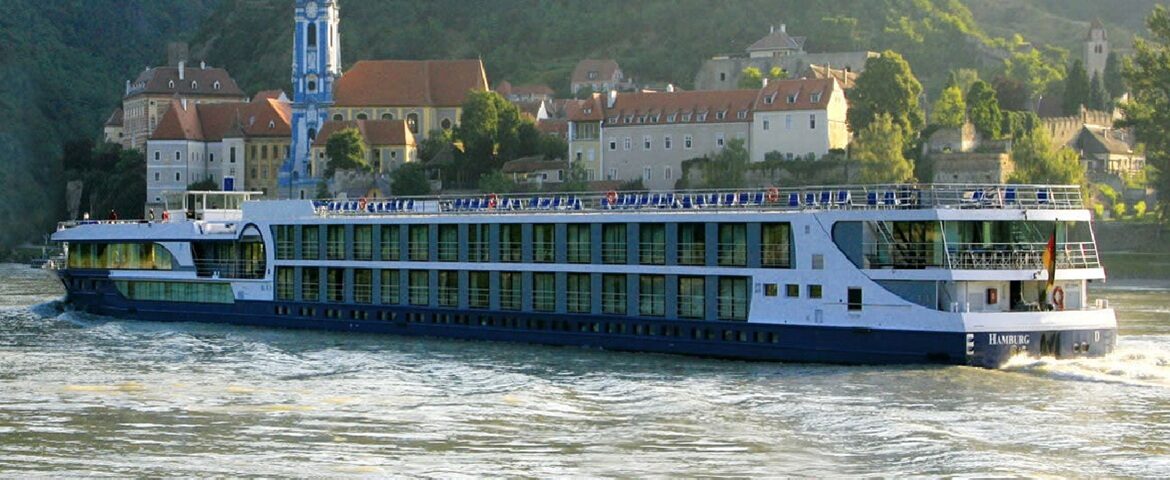
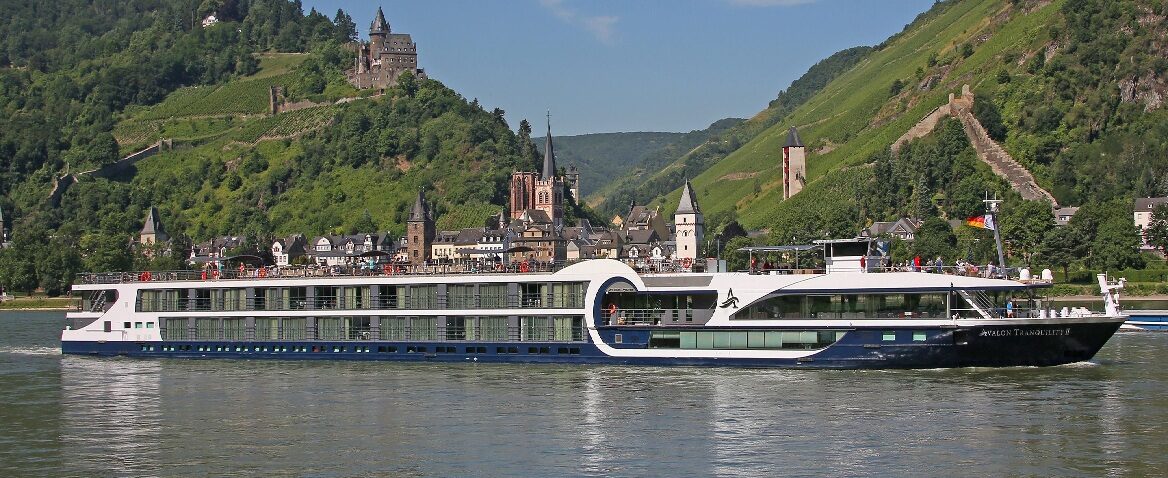
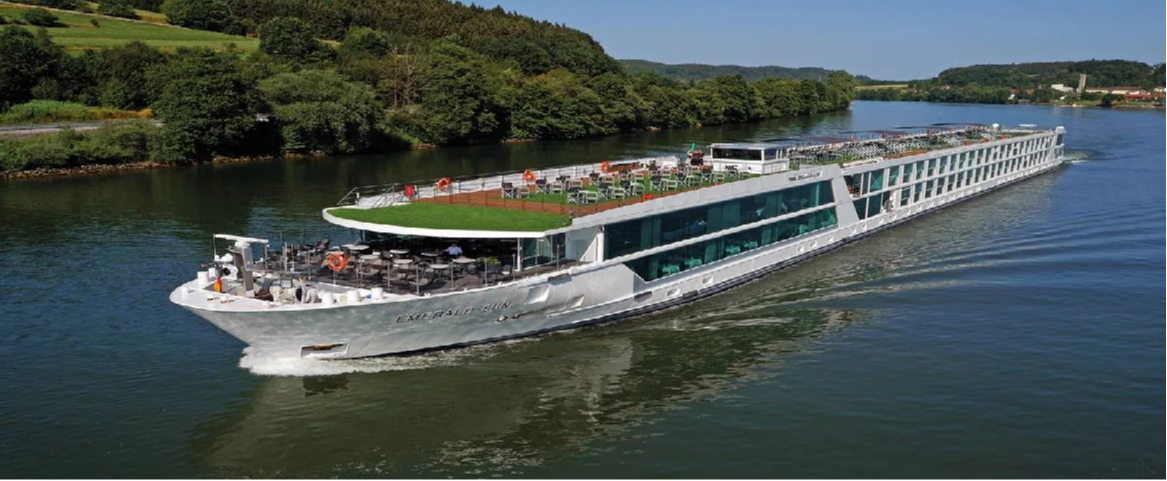
  • Mooring along the Meuse quays, within walking distance or a short shuttle ride of the centre.
  • River shuttle from April to October: five stops between Guillemins, the centre and the Grand Curtius.
  • La Batte market on Sunday mornings only, along the river.
  • Montagne de Bueren: a demanding climb; the hillsides offer a more gradual alternative.

Before Heading Back on Board

In the evening, the bridges light up one after another and the Meuse reflects the city lights like a second street. Liège doesn't try to please at all costs; it prefers to be truly loved, with its fervour, its frankness and its gruff tenderness. Those who have walked it on a market day know: you never really leave it, you simply promise to come back.

Frequently Asked Questions

Along the Meuse quays, within walking distance or a short shuttle of the historic centre. River vessels tie up along the water, with no dedicated terminal.
Largely yes, but the city is conquered vertically: Saint-Lambert square and the Grand Curtius are walkable along the quays, while the citadel means climbing. A seasonal river shuttle links five stops from April to October.
The Prince-Bishops' Palace and Saint-Lambert square, the Grand Curtius for Mosan art, then a break in Le Carré. If the call falls on a Sunday morning, the Batte market comes before everything else.
The oldest and largest market in Belgium, along the river, Sunday mornings only. Stalls as far as you can see, smells of roast chicken and cheese, Walloon accents flying over the crates.
A monumental staircase of 374 steps climbing straight to the old citadel between brick houses and small gardens. The climb is demanding, but each landing widens the view over slate roofs, the river bend and the Ardennes beyond.
Yes. The neighbouring hillsides offer switchback paths through orchards and urban vineyards, for a comparable panorama without the staircase.
Collections of arms, glass, archaeology and Mosan art, in a 17th-century red brick palace on the quays. The Romanesque metalwork of the Meuse valley ranks among the peaks of European medieval art.
The Liège waffle, dense and studded with pearl sugar, eaten hot in the hand. Then boulet-frites, a meatball in sweet-and-sour pear sauce, and peket, the local juniper spirit served plain or flavoured.
The euro, and French: Liège is Wallonia's major city. The welcome is direct and warm, without ceremony, and French speakers feel at home immediately.
Yes, even with no train to catch. This vessel of glass and white concrete by Santiago Calatrava unfolds a 200-metre undulating vault that redefined the southern gateway to the city.