Moreton Island Queensland Australia
Australia
67
Cruises availables
At departure or passage at this port
Carnival Cruise Line (64 Cruises)
Carnival Adventure
20 Cruises


| 19 January | 5 days | Round-trip from Sydney, Australia |
450-628-6241
Call us
|
| 23 January | 5 days | Round-trip from Sydney, Australia |
450-628-6241
Call us
|
| 10 May | 5 days | Round-trip from Sydney, Australia |
450-628-6241
Call us
|
| 17 May | 5 days | Round-trip from Sydney, Australia |
450-628-6241
Call us
|
| 2 August | 5 days | Round-trip from Sydney, Australia |
450-628-6241
Call us
|
| 9 August | 5 days | Round-trip from Sydney, Australia |
450-628-6241
Call us
|
| 10 October | 5 days | Round-trip from Sydney, Australia |
450-628-6241
Call us
|
| 26 October | 5 days | Round-trip from Sydney, Australia |
450-628-6241
Call us
|
Carnival Splendor
44 Cruises

| 18 March | 5 days | Round-trip from Sydney, Australia |
450-628-6241
Call us
|
| 22 March | 5 days | Round-trip from Sydney, Australia |
450-628-6241
Call us
|
| 13 May | 5 days | Round-trip from Sydney, Australia |
450-628-6241
Call us
|
| 26 May | 10 days | Round-trip from Sydney, Australia |
450-628-6241
Call us
|
| 20 September | 5 days | Round-trip from Sydney, Australia |
450-628-6241
Call us
|
| 27 September | 5 days | Round-trip from Sydney, Australia |
450-628-6241
Call us
|
| 4 October | 5 days | Round-trip from Sydney, Australia |
450-628-6241
Call us
|
| 8 October | 5 days | Round-trip from Sydney, Australia |
450-628-6241
Call us
|
| 13 January | 5 days | Round-trip from Sydney, Australia |
450-628-6241
Call us
|
| 30 January | 5 days | Round-trip from Sydney, Australia |
450-628-6241
Call us
|
Holland America Line (3 Cruises)
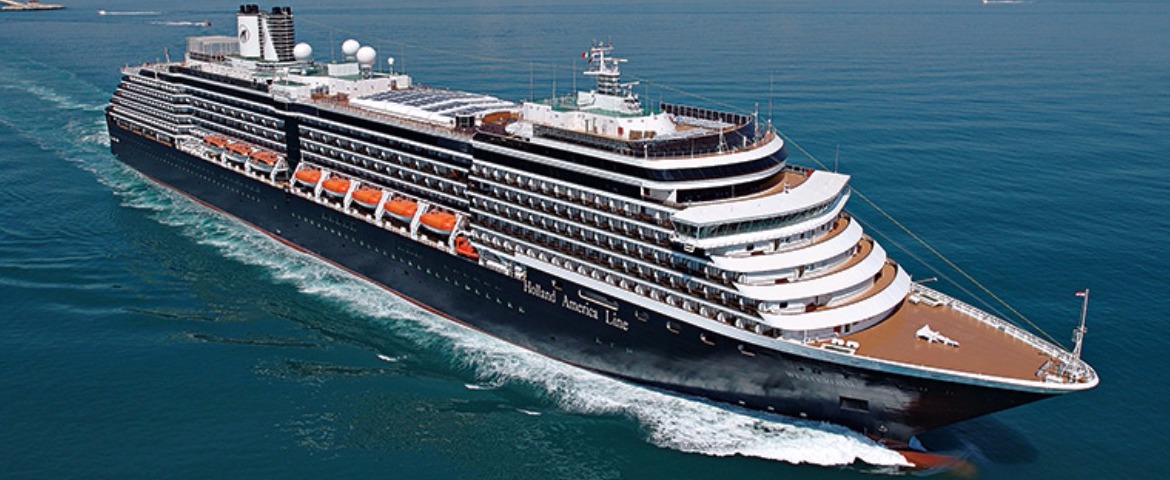


Moreton Island, Australia | Cruise Port Guide
Frequently Asked Questions
Ships anchor off the sheltered western shore and passengers come ashore by tender. There is no cruise berth, no sealed road and no town on the island.
A line of fifteen rusting hulls rising out of clear water a few hundred metres from shore. They were not shipwrecks: the Queensland government scuttled them between 1963 and 1984 to create a sheltered anchorage for small boats.
Yes, it's the highlight of the call. Guided outings of about an hour and a half leave straight from the beach with equipment provided. The water stays calm, which keeps it within reach of average swimmers.
Coral has colonised the plating and more than a hundred fish species move through it. Turtles, wobbegong sharks and even a passing dugong are not unusual sightings.
A slide down the silica dunes of the island's interior on a waxed board, where the landscape turns almost desert-like. Four-wheel-drive excursions take you there, and the slopes are surprisingly steep. Between runs, the view from the ridge shows the island's real extent.
Yes, with no programme at all. In front of Tangalooma the beach shelves gently into clear water, pelicans patrol the shallows, and the former whaling station, now a resort, provides restaurants and refreshments.
June to November, when humpback whales pass along the coast on migration: a blow sometimes appears offshore without anyone asking. The Tangalooma station hunted them from 1952 to 1962; the region now lives on watching them in season.
Yes, ideally through the ship or local operators. Wreck snorkelling, four-wheel-drive trips and sandboarding have limited places that fill quickly.
Swimsuit, towel, hat, sunscreen and shoes that can take rough ground will serve you better than a town map. This is a nature day, not a sightseeing one.
Yes, at the north-eastern tip: Queensland's oldest lighthouse, guiding ships towards Brisbane for more than a century and a half. It is, however, too far away for a few hours ashore.


