




Mexico or the Dominican Republic: which one from Quebec
The Dominican Republic has the most consistent beach and the gentlest bill. Mexico has a far wider choice of hotels and whole days to fill outside the resort. If you are coming for the beach, take the Dominican Republic. If you are coming to see something, take Mexico.
These are the two destinations travellers here book most, and the choice between them is almost always made on price, which is the worst possible criterion. Here are the real differences.
The comparison in one table
| Criterion | Mexico | Dominican Republic |
|---|---|---|
| Nonstop from Montreal | Cancún about 4 h 15, year-round | Punta Cana about 4 h 30, year-round |
| From Quebec City | Cancún, up to 8 flights a week this winter | Punta Cana, three carriers |
| Package cost | Very elastic, from three-star to full luxury | The most affordable in the Caribbean |
| The beach | Superb but variable by area | The most consistent in the Caribbean |
| Sargassum | The most affected region of the basin | East coast exposed, north coast much less |
| Things to do outside the hotel | Cenotes, Mayan sites, reef, colonial towns | Little within reasonable reach |
| Forms before departure | None | E-Ticket required, on entry and on exit |
| Passport validity | The duration of your stay | Duration of stay, until 31 December 2026 |
| Visa-free stay | Up to 180 days | 30 days, extendable |
| Climate | One regime, plus a separate Pacific coast | Three different climates on one island |
The beach: the Dominican advantage
This is the most concrete difference, and it leans clearly one way.
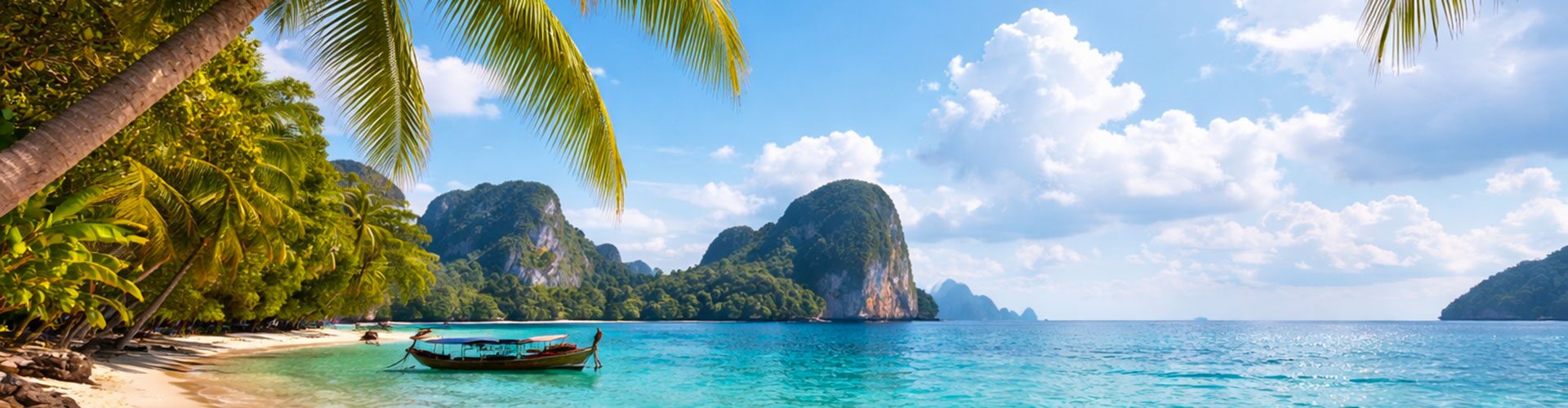
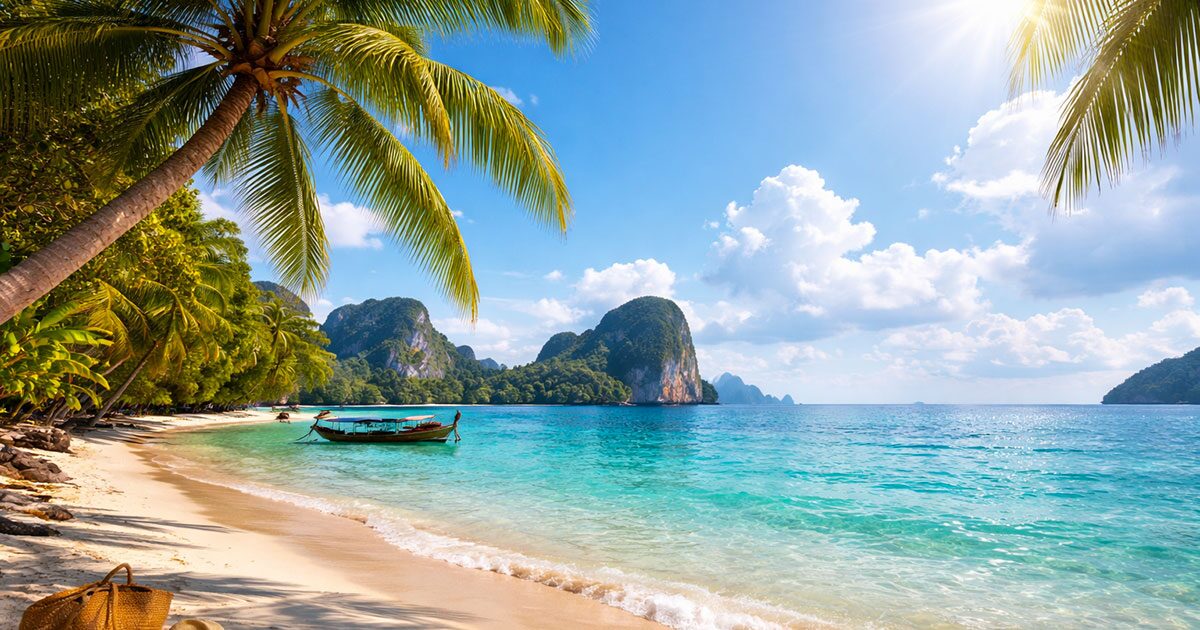
Bávaro and Punta Cana line up some thirty kilometres of fine white sand under coconut palms, with generally calm water protected by a reef. Consistency is the right word: from one hotel to the next along that coast, the beach stays good. That is rare.
In Mexico, quality varies a great deal by area. The Cancún hotel zone has beautiful sand but sometimes rough water with currents. The Riviera Maya alternates broad beaches with narrower stretches where the reef comes close to shore. Playa del Carmen, Tulum, Puerto Morelos and Akumal are not alike.
Sargassum widens the gap. Quintana Roo is the most affected region of the entire Atlantic basin, and 2026 passed the 2025 record there before the end of August. The season runs June to November with a peak in June and July, which leaves the winter largely quiet on both sides, but a late-spring trip calls for a serious check.
Some Mexican areas stay markedly cleaner because they are sheltered or face a different way: Isla Mujeres, Costa Mujeres and Cozumel are regularly among the least affected.
Excursions: the Mexican advantage, and it is overwhelming
This is where Mexico takes back everything it lost on the beach.
- The cenotes. Freshwater sinkholes cut into limestone, often underground, of an unreal clarity. There are thousands across the Yucatán peninsula, and nothing equivalent elsewhere in the Caribbean.
- Chichén Itzá and Tulum. One of the seven new wonders of the world within a few hours' drive, and a Mayan site built on a cliff above the sea.
- The Mesoamerican reef. The second largest in the world, snorkelled from Puerto Morelos or Cozumel.
- The towns. Mérida, Valladolid and Izamal give a sense of a Mexico that has nothing to do with a hotel zone.
The Dominican Republic has excursions, but fewer and further away. Saona island, the Baní dunes, Los Haitises national park and the colonial old town of Santo Domingo are worth the trip, but Santo Domingo sits about three hours by road from Punta Cana, which makes for a long day.
The practical consequence: if your idea of a holiday is never leaving the lounger, the Dominican Republic will give you exactly that, and better. If you get bored by day three, Mexico will save your week.
The choice of hotels
Mexico offers the widest range of any sun destination served from here, from an honest three-star to full luxury. The gap between a good four-star and a five-star is more marked there than elsewhere, which makes the destination adaptable to almost any budget and makes advice more useful.
The Dominican Republic built an enormous but more uniform stock, heavily oriented toward the large family and party resort. The upper end exists, notably at Cap Cana and Uvero Alto, but the heart of the market is the several-hundred-room resort.
Formalities: a real difference
They are simpler in Mexico, which is counter-intuitive.
Mexico requires no form before departure. The paper card was abolished for air arrivals and the entry stamp is electronic. Sites selling a "Mexican tourist card" to fill in beforehand are selling something that no longer exists. The permitted stay runs to a hundred and eighty days and the passport must be valid for the duration of the stay.
The Dominican Republic requires the E-Ticket, a free digital form mandatory on entry and on exit. It is completed on the official migration authority portal, never on an intermediary site that would charge you for it. The permitted stay is thirty days, extendable, and the current flexibility on passport validity expires 31 December 2026.
A measles advisory currently covers the Dominican Republic. Mexico carries regional Government of Canada advisories that do not apply to Quintana Roo, but that are worth checking if your itinerary leaves the tourist zone.
Climate: three calendars in the Dominican Republic
Caribbean Mexico follows a simple regime: dry from November to April, wet from May to October, and September stacking rain, hurricanes and sargassum together.
The Dominican Republic has three, which catches many travellers out.
- Punta Cana, east coast: dry season February to April, as expected.
- Puerto Plata, north coast: inverted calendar. The driest months are June to September, the wettest November and December.
- Samaná: no dry season, double Punta Cana's annual rainfall, and humpback whales from January to March.
In other words, "December in the Dominican Republic" is excellent advice for Punta Cana and very poor advice for Puerto Plata.
Mexico has one asset the Dominican Republic lacks: a second coast. Puerto Vallarta and Los Cabos sit in the Pacific basin, with no sargassum at all. The trade-off this year is that El Niño makes the Pacific hurricane season more active than the Atlantic one.
So which one?
| If you want… | Choose | Why |
|---|---|---|
| The best beach, no thinking required | Dominican Republic | Bávaro is the most consistent coast in the Caribbean |
| The best price for the quality | Dominican Republic | Room volume and competition between operators |
| Enough to fill your days | Mexico | Cenotes, Mayan sites, reef, towns |
| A first trip with young children | Dominican Republic | Calm water, short transfers, a well-run formula |
| A stay with no sargassum at all | Mexico, Pacific coast | A different ocean basin |
| The widest hotel choice | Mexico | From honest three-star to full luxury |
| The least paperwork | Mexico | No form before departure |
| To see whales | Dominican Republic, Samaná | Humpback whales, January to March |
Our honest answer
For a first trip south, our advisers suggest the Dominican Republic more often. The flight is short, the beach is reliable, the formula is well established and the bill is gentle. There are few ways to get it wrong.
For a second or third trip, Mexico becomes more interesting, because that is where the stay stops being a week on a beach and becomes a journey. Many of our clients do both, in that order.
For one level more detail, see our Punta Cana or Cancún comparison, which compares the two resorts rather than the two countries.
See also our Mexico packages and our Dominican Republic packages.
Talk to an AquaTerra adviser at 1 866 628-6241. Tell us what you want to do with your days, and the choice makes itself.
Voyages AquaTerra holds a Quebec travel agency licence. Booking through an agency licensed in Quebec gives access to the Fonds d'indemnisation des clients des agents de voyages (FICAV), which covers certain specific situations; the conditions are set out on opc.gouv.qc.ca. Air services, formalities and health advisories cited here were verified on 4 September 2026 and may change without notice.


