

Travelling to Portugal from Montreal: Lisbon, Porto and the Algarve
Lisbon is the easiest European destination to reach from Montreal: three airlines, nonstop, all year, in under seven hours. No visa is required of a Canadian citizen. Eight to twelve days is enough to see Lisbon, Porto, the Douro and the Algarve without rushing.
This is a country you fall into rather than discover. You arrive without precise expectations, and something happens in the first few hours: a light that is warm and melancholy at once, people whose kindness is nothing like professional courtesy, and a plain cuisine that surprises you with its depth.
To place Portugal among the other long-haul destinations, see the guide to world destinations from Quebec.
How do you get to Portugal from Montreal?
Nonstop to Lisbon, all year, on Air Canada, Air Transat and TAP Air Portugal: roughly six hours thirty-five to seven hours, with up to seventeen flights a week. It is the only Iberian route served year-round from Montreal, and it is shorter than a flight to Rome or Athens.
Porto also has nonstop service, but in summer only, from about June to September, on Air Canada and Air Transat, in a little over six hours. An itinerary landing in Porto and leaving from Lisbon works very well in season and much less well the rest of the year.
On the ground, the train links Lisbon to Porto in under three hours and Lisbon to Faro in a little under three. For Lisbon and Porto alone, a car is pointless. For the Douro, the Alentejo and the interior of the Algarve it becomes necessary: the best places have no bus.
What should you see in Lisbon?
A city rebuilt after the earthquake of 1755, spread over seven hills, covered in azulejos and black-and-white mosaic pavement. It is neither the most spectacular European capital nor the richest in great museums. It has the strongest character.
- Alfama: the oldest quarter, all climbing lanes, with São Jorge castle at the top and the real fado houses in the evening.
- Chiado and Bairro Alto: literary Lisbon, the historic cafes and the oldest bookshop in the world still trading.
- Belém: the tower, the Jerónimos monastery where Vasco da Gama lies, and the pastry shop that has been making pastéis de nata since 1837.
- LX Factory: a factory turned creative quarter, with restaurants, booksellers and a Sunday market.
- Mouraria: the old Moorish quarter beside Alfama, less visited and more lived in.
The national Azulejo museum, housed in a former convent, tells five centuries of Portuguese decorative art. And the Santa Catarina viewpoint at sunset, with young Lisboetas sitting on the wall, beats any terrace you pay for.
Tram 28, without the bad version of it
It still runs normally: the rumour that tourists are banned from it is false. The problem lies elsewhere. Forty-five to ninety minutes of queueing at Martim Moniz in high season, carriages packed solid, and the highest concentration of pickpocketing in the country.
Board at the far terminus, at Campo de Ourique: you will often get a seat, on the same route. Or take it very early. Tram 12 is shorter and covers part of the same circuit with far fewer people.
What sets Porto apart from Lisbon?
Granite. Lisbon is pale and melancholy; Porto is dark, baroque and direct, including in the character of the people who live there. This is the city of port wine, of cellars that smell of wood and vanilla, and of a slightly brutal architectural beauty.
- The Ribeira, the quarter along the Douro, on the World Heritage list, and the view from the upper deck of the Dom Luís I bridge.
- The cellars of Vila Nova de Gaia, across the river, where the great port houses open their stores for visits and tastings.
- Livraria Lello, its Art Nouveau staircase and its stained glass. The ticket is bought ahead and comes off a purchase.
- The church of São Francisco, whose interior is entirely covered in gilded woodwork. An excess of baroque that leaves people wordless.
- São Bento station and its twenty thousand azulejos, still in service.
- The Bolhão market, renovated, where Porto does its shopping.
And the francesinha. White bread, ham, beef, sausage, melted cheese, all of it drowned in a beer sauce and served with fries. You are not obliged to like it. You have to try it once to understand the city.
Is the Algarve worth the detour?
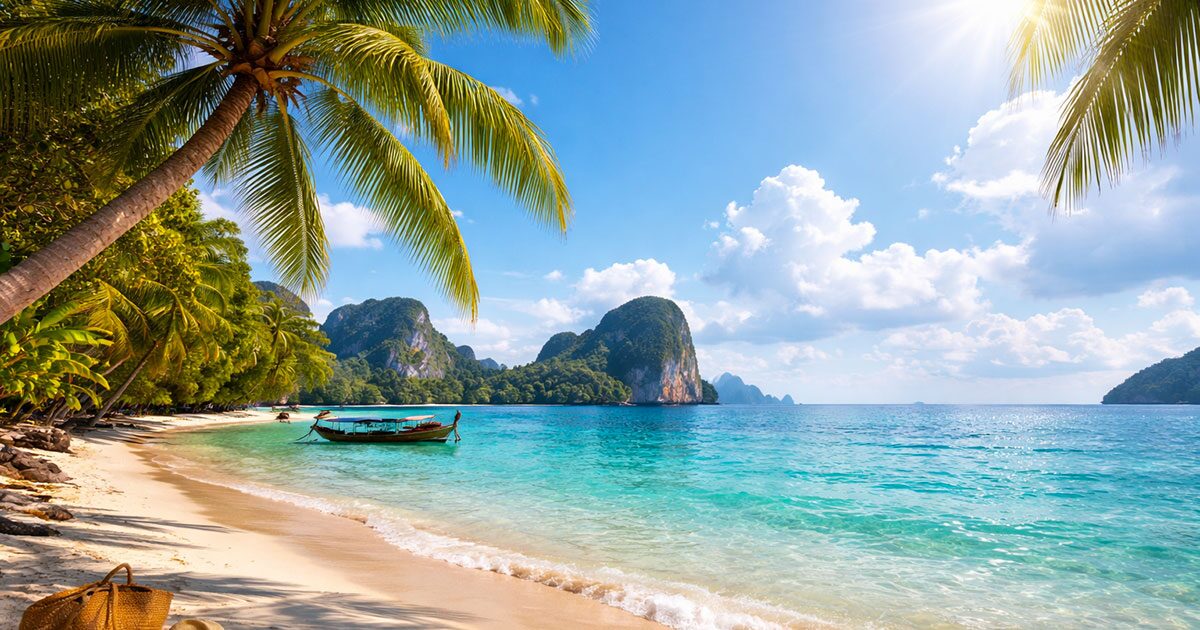
Yes, outside July and August. This is not the Mediterranean: it is the Atlantic, with its waves, its harder light and cliffs of golden sandstone cut into arches and caves. The natural beauty stands comparison with the Côte d’Azur or the Costa del Sol, at a density and a price that bear none.
- Lagos and Ponta da Piedade: the most spectacular formations on the coast. A kayak is the right way to see them.
- Sagres and Cape St Vincent: the southwest end of continental Europe, where the caravels left from. Wind, dramatic light and seventy metres of cliff.
- Tavira: the most beautiful town in the Algarve, and the least visited of the larger ones. Arab architecture, a fish market, island beaches reached by boat.
- The Benagil cave: the most shared photograph in Portugal. Access has been regulated for several years now, so go through a licensed operator rather than swimming in.
- Silves: the old Moorish capital, its red sandstone castle and its orange groves. The historic face of a region people reduce to its beaches.
Away from the big resorts at Albufeira and Portimão, the Algarve stays surprisingly discreet: the Vicentine coast to the west for walkers and surfers, and an interior of white villages among the carob and almond trees.
Should you go up to the Douro and down to the Alentejo?
The Douro valley
Terraced vineyards on steep slopes, from the level of Porto to the Spanish border, on the World Heritage list. It is one of the oldest demarcated wine regions in the world, and probably the most spectacular.
The railway line that follows the river from Porto is one of the finest train journeys in Europe. Pinhão, at the heart of the valley, has a station covered in azulejos and quintas open for tasting. And if your stay falls in September or October, some quintas take visitors during the harvest.
The Douro can also be travelled by water: see our European river cruises.
The Alentejo
The great Portuguese plain: vast, hot, slow, planted with cork oaks, since Portugal is the largest cork producer on earth. Évora, Roman, medieval and Manueline all at once, with its first-century temple and its chapel of bones. Monsaraz, perched above the Alqueva lake, where almost nobody goes. And a cuisine richer and more rustic than on the coast.
What does a twelve-day itinerary look like?
| Days | Stages | What you experience |
|---|---|---|
| 1 to 3 | Lisbon | Alfama and São Jorge castle, fado in the evening. Belém and the pastéis de nata. Chiado, LX Factory, Santa Catarina at sunset. |
| 4 | Sintra and Cascais | Thirty minutes by train. The Pena palace, the Quinta da Regaleira and its initiation wells, then Cascais on the Atlantic. |
| 5 to 7 | Porto | Ribeira and the Dom Luís I bridge. The Vila Nova de Gaia cellars, Livraria Lello, São Francisco. Bolhão market, francesinha, Foz do Douro. |
| 8 and 9 | Douro valley | The train along the river, or the car. Pinhão, tastings at a quinta, sunset over the terraces. A night at a quinta if you can. |
| 10 to 12 | Algarve | Lagos and Ponta da Piedade, kayaking through the caves, Sagres and Cape St Vincent, Tavira. Back to Lisbon for the flight. |
For seven days: Lisbon, Sintra, Porto and one day in the Douro. For ten: add the Algarve. Portugal rewards slowness, and it punishes an overloaded itinerary.
When should you go to Portugal?
March and April, September and October. In spring the almond trees flower in the Algarve, the Alentejo is green and Lisbon is not yet full. In autumn the sea is at its warmest, the Douro is harvesting and rates come back down.
| Period | Weather | Crowds | Our view |
|---|---|---|---|
| January and February | Mild but wet, 12 to 16 °C | Very low | Lisbon and Porto work very well. Almond blossom in the Algarve in February. |
| March and April | Pleasant, 16 to 20 °C | Moderate | Our first recommendation. Holy Week is very lively. |
| May | Perfect, 20 to 25 °C | Moderate | Excellent everywhere. The sea is still cool in the Algarve. |
| June | Warm, 24 to 28 °C | High | St Anthony’s in Lisbon, on the 12th and 13th, is worth the trip on its own |
| July and August | Hot, 27 to 33 °C | Overwhelming | The Algarve is packed. The interior, Alentejo and Douro, stays liveable. |
| September | Perfect, 24 to 29 °C | Moderate | Our second recommendation. Warm sea, harvest in the Douro. |
| October | Mild, 19 to 24 °C | Low | The best value of the year |
| November and December | Cool and wet, 13 to 17 °C | Very low | Lisbon and Porto without the crowds, and a very warm Portuguese Christmas |
What do you eat and drink in Portugal?
A cuisine of remarkable honesty: good ingredients, little processing, a lot of olive oil, garlic and coriander. It does not try to impress, and in the best tascas it goes well past its apparent ambitions.
- Pastel de nata: warm, with cinnamon. Every bakery has its own.
- Bacalhau: salt cod, the national dish, with a recipe said to exist for every day of the year. À brás, com natas, à Gomes de Sá.
- Polvo à lagareiro: baked octopus, olive oil, garlic, crushed potatoes. Nothing like what the word suggests here.
- Caldo verde: the national soup, potato, finely shredded cabbage, a slice of chouriço.
- Bifanas and pregos: the pork or beef counter sandwiches, served everywhere, for almost nothing.
- Açorda alentejana: bread soup with garlic, coriander and a poached egg. The dish of the countryside.
| Wine region | Style and grapes | When to drink it |
|---|---|---|
| Douro | Powerful, structured reds: touriga nacional, touriga franca, tinta roriz | A Douro reserva at a quinta, above the river |
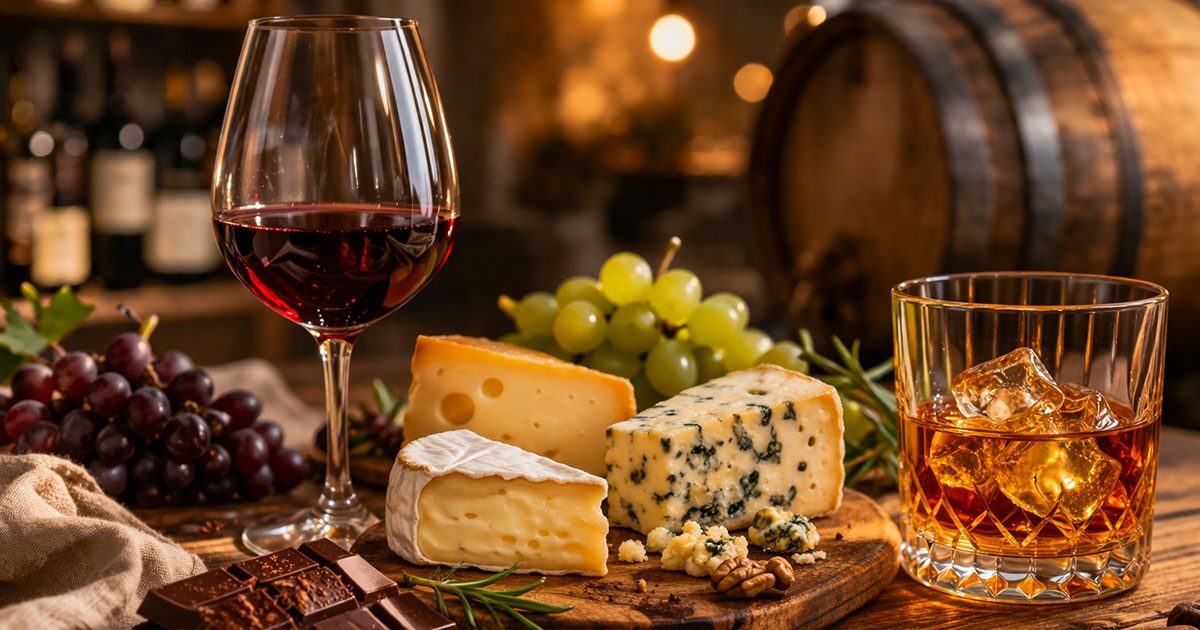
| Port | Young fruity ruby, cask-aged tawny with walnut and caramel, dry white as an aperitif | At a tasting in Vila Nova de Gaia, the three styles one after another |
| Vinho Verde | Light, faintly sparkling whites: alvarinho, loureiro, arinto | With seafood, on a terrace, in summer |
| Alentejo | Warm reds: trincadeira, alicante bouschet, aragonez | In an Évora tasca, with black pork |
| Dão | Elegant, mineral reds led by touriga nacional | Wines for keeping, at a fraction of their French equivalents |
What does a trip to Portugal cost?
It is the most affordable Western European destination in this guide, and that is not about to change entirely, though the gap is narrowing. Lisbon and Porto have climbed a great deal over ten years, driven by tourism and by residence programmes for foreigners. The rest of the country stays very accessible.
- What costs most: lodging in the historic centres of Lisbon and Porto in high season.
- What costs little: eating, drinking, moving around by train and metro. Portugal is one of the few countries where a very good meal does not hurt.
- What people forget: the municipal accommodation tax, charged per person per night, capped at seven nights in both Lisbon and Porto, paid on site and never included in a package. It doubled in Lisbon in 2024.
An adviser builds a real estimate from your dates and your lodging category.
Formalities and practical advice
No visa: Portugal is part of the Schengen area, where you may stay ninety days out of any hundred and eighty. The passport must be valid at least three months beyond your exit from Schengen and have been issued within the last ten years. No vaccination is required.
On ETIAS: in early September 2026 it is not in force and applications are not open. There is nothing to apply for. The EES has been running since April 2026 and is handled at the border, with no prior step.
The language is a pleasant surprise for a French speaker. Portuguese is a Romance language, and passive comprehension comes quickly. English is well spoken in Lisbon and Porto, less so in the countryside. Four words open doors: obrigado, por favor, bom dia, onde fica.
Portugal is among the safest countries in Europe. Pickpocketing exists, concentrated in the heavily touristed parts of Lisbon: tram 28, Alfama, the queues. Ordinary precautions are enough.
Portugal combines very well with the other shore of the Atlantic: see our guide to Morocco from Quebec.
How to have your Portuguese trip prepared
Tell us your dates and what you want to find there: the cities, the wine, the coast or the quiet. Our advisers will tell you whether Porto has nonstop service on your dates, which regions need a car, and how to link the Douro and the Algarve without losing two days to travel.
Talk to an AquaTerra adviser at 1 866 628-6241.
Voyages AquaTerra holds a Quebec travel agency licence. Booking through an agency licensed in Quebec gives access to the Fonds d’indemnisation des clients des agents de voyages (FICAV), which covers certain specific situations; the conditions are set out on opc.gouv.qc.ca. Air services, formalities and local taxes mentioned here were verified in September 2026 and may change without notice.
Two extensions: the country travels very well by rail, and our guide to Portugal by train covers the lines, booking and the Douro route. The Azores are five flying hours from Montreal.


