Long Khanh Island Vietnam

60 Cruises availables At departure or passage at this port

Avalon Waterways (60 Cruises)

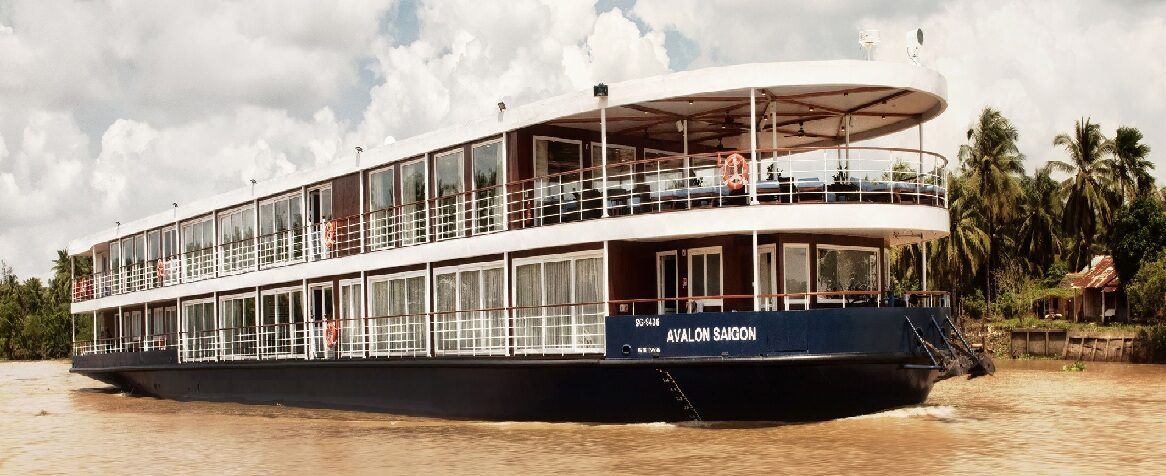
Avalon Saigon 1

Avalon SaigonSM

36 Passengers
Visit the ship's page

Long Khanh Island, Vietnam | Cruise Port Guide

A steady clacking rises from the stilt houses long before you find its source: the sound of looms. Long Khanh, a river island in the Mekong Delta in Vietnam's Dong Thap province, lives from thread and cotton. Ocean-going ships don't stop here; river ships do. Some vessels, such as the Emerald Harmony, call here on the route between Ho Chi Minh City and Cambodia, and local boats also bring travellers from Chau Doc. You land right on the riverbank, between two gardens.

An Island Shaped by the River

Set opposite the small town of Hong Ngu, the island belongs entirely to the Mekong. Its dirt paths follow the dikes, its orchards grow in the silt, and its houses rise on stilts to let the annual floods pass beneath. The visit is made on foot, sometimes by bike, to the rhythm of greetings from children coming home from school. No monuments here: the human landscape is the main attraction, and it's more than enough to fill the port call.

The Weavers' Village

The hamlet of Long Khanh A is the hub of the activity that made the island's reputation: hand weaving. In courtyards and beneath the houses, dozens of families produce the krama, the emblematic checked scarf that the island largely exports to neighbouring Cambodia. Visitors move from one workshop to the next, watching the threads being set up, the shuttles going back and forth and the precise gestures passed down from mother to daughter. A cotton-weaving demonstration is indeed part of most organized stops.

Across the water, on the bank, the small town of Hong Ngu lives from the same textile trade and from traffic to the Cambodian border, very close upstream. This proximity explains the presence of the krama in the island's homes: the scarf of the Khmer countryside is woven here, on the Vietnamese side, then heads back to Phnom Penh by river. On the river, borders have always been more porous than on maps.

Delta Scenes

Between workshops, the island offers what the river plain does best: unstaged scenes of river life. A morning market where catfish and fresh herbs are unloaded. Sampans loaded with fruit gliding toward Hong Ngu. Rice paddies and chili fields behind the dikes. Local guides gladly explain the mechanics of the floods, which fertilize the land and set everyone's calendar. It's a living geography lesson, taught by those who live it.

  1. Landing on the riverbank or transfer by local boat, depending on the ship
  2. Guided walk to Long Khanh A and its weaving workshops
  3. Cotton-working demonstration and the chance to buy kramas
  4. Return along the dikes, past orchards and market scenes

What You Need to Know

The port call generally lasts half a day, most often in the morning, when the light skims the rice paddies and the workshops are in full swing. The terrain is flat, but walkways and paths can be slippery in the rainy season, from June to November; closed shoes come in handy. Purchases are paid in Vietnamese dong, in small bills. A few words of Vietnamese — xin chao for hello, cam on for thank you — bring out every smile.

The Thread That Connects

You often leave Long Khanh with a scarf in your bag, but above all with a lasting image: that of a delta where every family weaves, farms and navigates according to the river's moods. Great ports of call impress; this one does something else. It brings people closer. And long afterward, at the first flap of fabric in the wind, you'll think back to the wooden shuttles beating time beneath the stilts.

Frequently Asked Questions

Directly against the bank, between two gardens, using gangways or a small-boat transfer depending on the vessel. Ocean ships do not call here; river vessels do.
In the Mekong Delta, Dong Thap province, facing the small town of Hong Ngu and very close to the Cambodian border. The island belongs entirely to the river: its paths follow the dykes and its houses stand on stilts.
River vessels, on the route between Ho Chi Minh City and Cambodia — the Emerald Harmony, for example. Local boats also bring travellers from Chau Doc.
A guided walk to the hamlet of Long Khanh A and its weaving workshops, a cotton-weaving demonstration, then the return along the dykes, orchards and market scenes. That fills the call without rushing.
It is the checked scarf emblematic of the Khmer countryside, woven here on the Vietnamese side by dozens of families, then largely exported to Cambodia by river. On the Mekong, borders have always been more porous than on maps.
None. The human landscape is the main attraction: workshops in the courtyards, the morning market, sampans loaded with fruit, rice fields and chilli fields behind the dykes. It is more than enough to fill the call.
On foot, sometimes by bicycle, along dirt paths that follow the dykes. The terrain is flat, but walkways and trails can be slippery in the rainy season, June to November: closed shoes help.
The dry season, and preferably the morning. The call usually lasts half a day, most often in the morning, when the light skims the rice fields and the workshops are running at full tilt.
The Vietnamese dong, in small notes, and Vietnamese. A few words open every smile: xin chao for hello, cam on for thank you.
Yes. The terrain is flat, distances are short, and the island's children wave readily on their way home from school. You simply have to accept that there is no attraction and no tourist facility here, only delta life.