Plymouth MA Massachusetts

82 Cruises availables At departure or passage at this port

American Cruise Lines (82 Cruises)

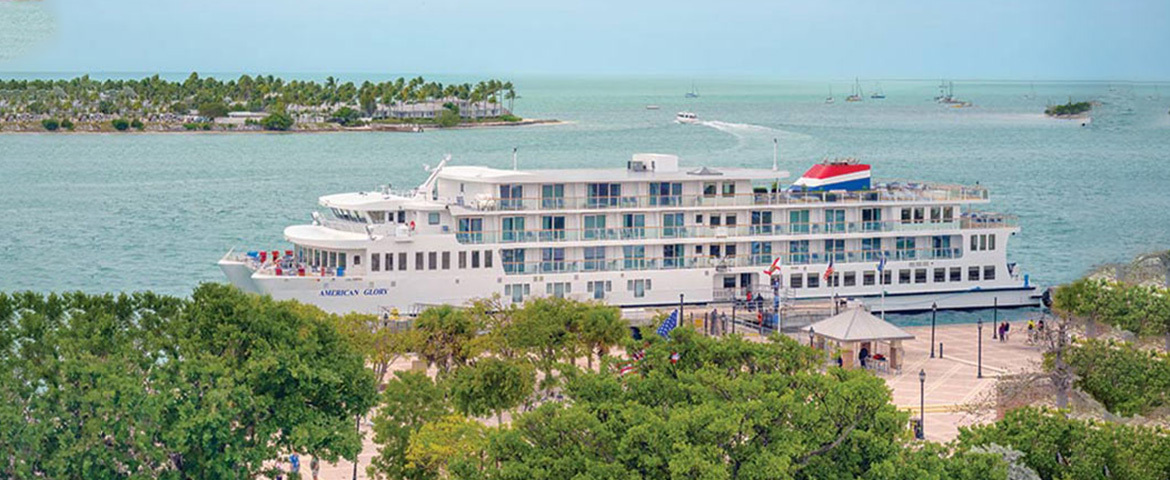
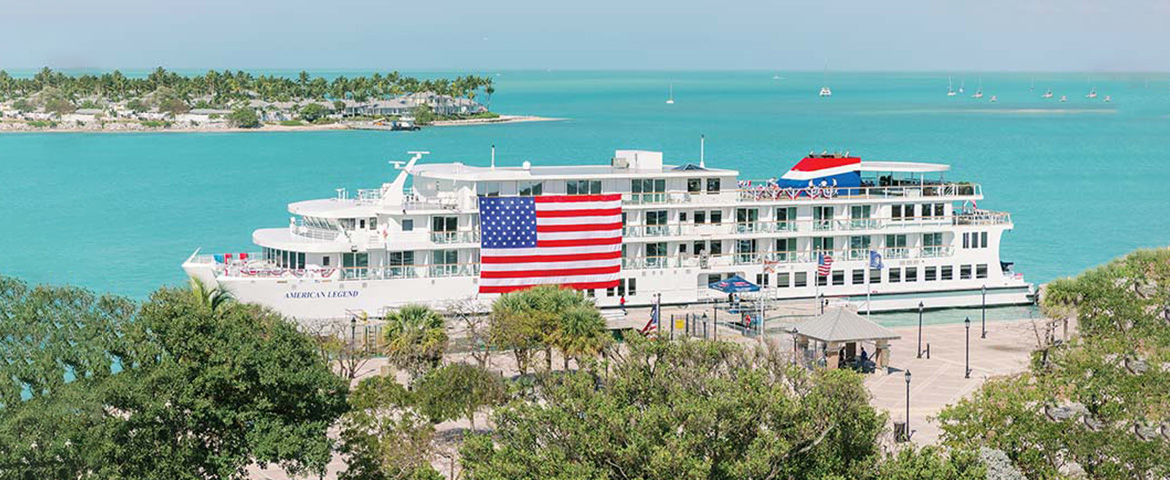
American Legend

Visit the ship's page

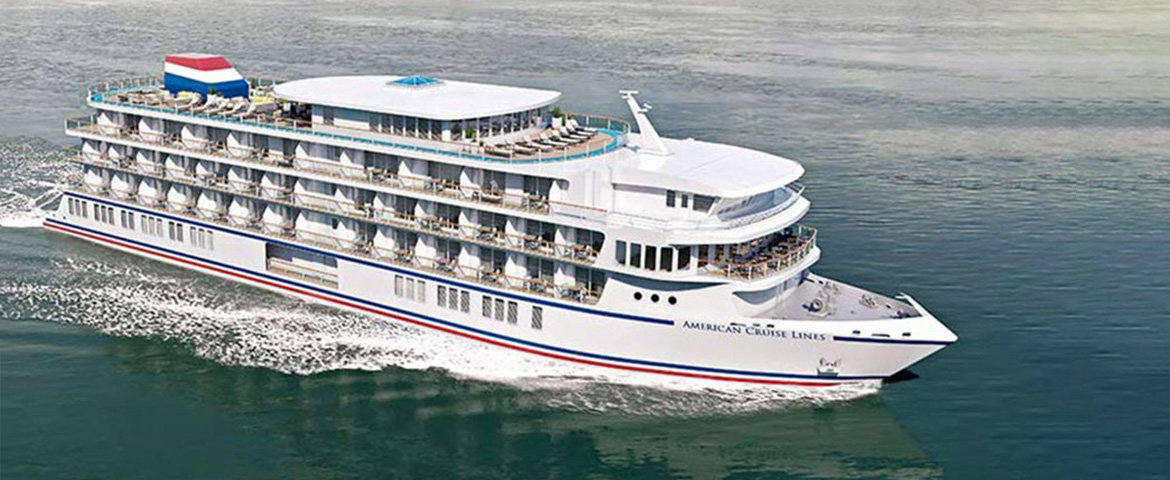
American Pioneer

Visit the ship's page

Plymouth, Massachusetts | Cruise Port Guide

December 1620. About a hundred passengers, exhausted by sixty-six days on the Atlantic, are looking for a sheltered anchorage on an unknown coast. Four centuries later, your own crossing ends in the same place, in far gentler conditions, and Plymouth continues to tell the story of this founding moment with a seriousness and skill that make it one of the richest ports of call in New England. Coastal cruise ships dock in the heart of the waterfront: history begins right at the gangway.

Water Street and America's most debated rock

Along Water Street, Pilgrim Memorial State Park shelters the famous Plymouth Rock, engraved with the date 1620, beneath its granite portico. The stone surprises with its modest size, and park guides recount with humour how it was moved, broken, glued back together and revered over the centuries. Never mind its size: it is the symbol that counts, and the spot lends itself well to a first reading of the landscape, between the bay, the cemetery hill and the rooftops of the historic centre.

Boarding the Mayflower II

A few steps away, the masts of the Mayflower II tower over State Pier. This faithful replica of the 1620 ship, rigged as in its day, lets you measure the astonishingly cramped 'tweendeck where 102 passengers lived during the crossing. Costumed interpreters portray sailors and colonists, answering questions in 17th-century English, while other guides place the adventure in context, including from the perspective of the Wampanoag people, who had lived on these shores for thousands of years.

Very real relics

A few streets from the shore, Pilgrim Hall Museum, opened in 1824, ranks among the oldest public museums still operating in the country. It holds objects that actually belonged to the Mayflower passengers: William Bradford's Bible, Myles Standish's sword, cradles and chests. After the reconstructions on the waterfront, these original pieces have a striking effect, that of almost touching the small lives behind the great story. The collections also present, with fairness, the Wampanoag people and the consequences of 1620 for the nations of the region.

Burial Hill and the first streets

Behind the centre, Leyden Street, the first street laid out by the colonists, climbs gently toward Burial Hill. This old cemetery, planted with elms and gravestones worn by salt, offers one of the finest views over the bay. On the way back down, lovers of historical re-enactment will continue to Plimoth Patuxet Museums, about five kilometres south, where a colonial village and a Wampanoag homesite bring the year 1627 back to life with remarkable rigour. Ship excursions or a short taxi ride get you there easily.

Planning the day

  • The rock, the Mayflower II and the waterfront: everything can be done on foot, in two to three hours.
  • Pilgrim Hall Museum: allow about an hour, five minutes' walk from the harbour.
  • Plimoth Patuxet: allow half a day including transportation.
  • The cafés and seafood counters on Water Street serve an excellent clam chowder.

In the evening, as the ship pulls away from the bay, you think back to these two voyages that could not be more different: theirs, uncertain and perilous; ours, peaceful and chosen. Plymouth pulls off the feat of making history tangible without ever freezing it, and you leave with the feeling of having linked, for the space of a day, the very beginning of a world to our present.

Frequently Asked Questions

In the heart of the waterfront along Water Street. Coastal cruise vessels land passengers where the history begins: Pilgrim Memorial State Park and Mayflower II are steps from the gangway.
Yes. Plymouth Rock, Mayflower II, the Pilgrim Hall Museum, Leyden Street and Burial Hill are all walkable from the pier. Only the Plimoth Patuxet Museums on the edge of town require a short ride.
Plymouth Rock under its granite portico, boarding Mayflower II, then the Pilgrim Hall Museum for the original artefacts. Finish with Leyden Street and Burial Hill, which offers one of the finest views over the bay.
That depends on your expectations. The boulder, carved with the date 1620, surprises visitors with its modest size, and park guides recount with humour how it was moved, broken, glued back together and venerated over the centuries. The symbol is the point, not the dimensions.
Yes. This faithful replica of the 1620 ship, rigged as she would have been, lies at the State Pier. On board you grasp the astonishing cramped space of the tween deck where 102 passengers lived during the crossing, and costumed interpreters play sailors and colonists.
Opened in 1824, one of the oldest continuously operating public museums in the country. It holds objects that genuinely belonged to Mayflower passengers: William Bradford's Bible, Myles Standish's sword, cradles, chests. After the replicas on the pier, the effect is striking.
Yes, and increasingly well. Mayflower II guides place the events of 1620 within the world of the Wampanoag people, who had lived on these shores for millennia, and the Pilgrim Hall Museum collections address the consequences of 1620 for the region's nations.
The US dollar, and cards work at the museums, shops and waterfront restaurants. Some cash remains handy for tips.
May through October. Summer is mild and every site is open; autumn brings New England colour and fewer people on the pier. Several attractions close or cut their hours out of season.
Very much so. Boarding Mayflower II, talking with the costumed interpreters and climbing Burial Hill all appeal to children, and the distances stay short. The Plimoth Patuxet Museums outside town take the experience further.