Paducah KY Kentucky
180
Cruises availables
At departure or passage at this port
American Cruise Lines (148 Cruises)
American Melody
4 Cruises
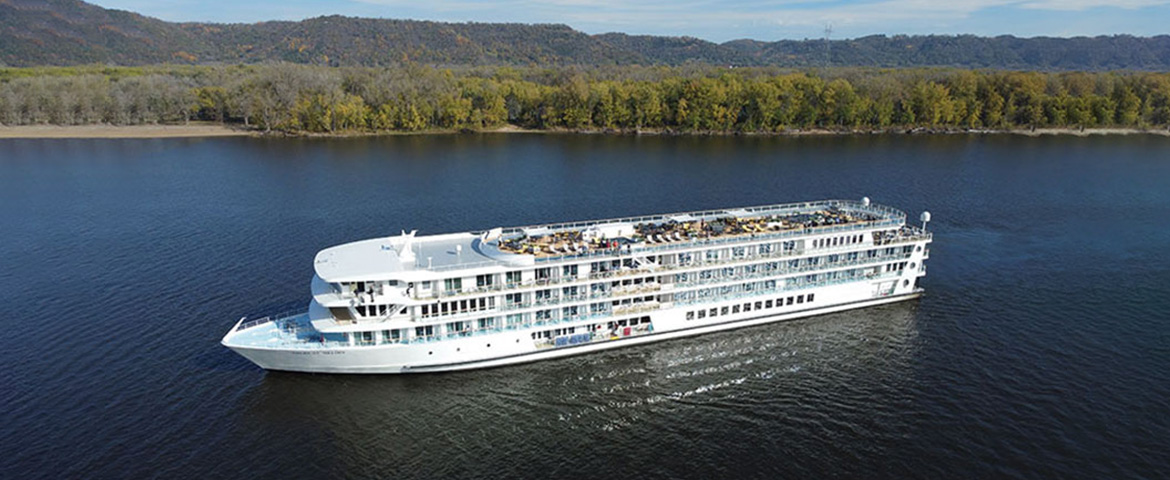
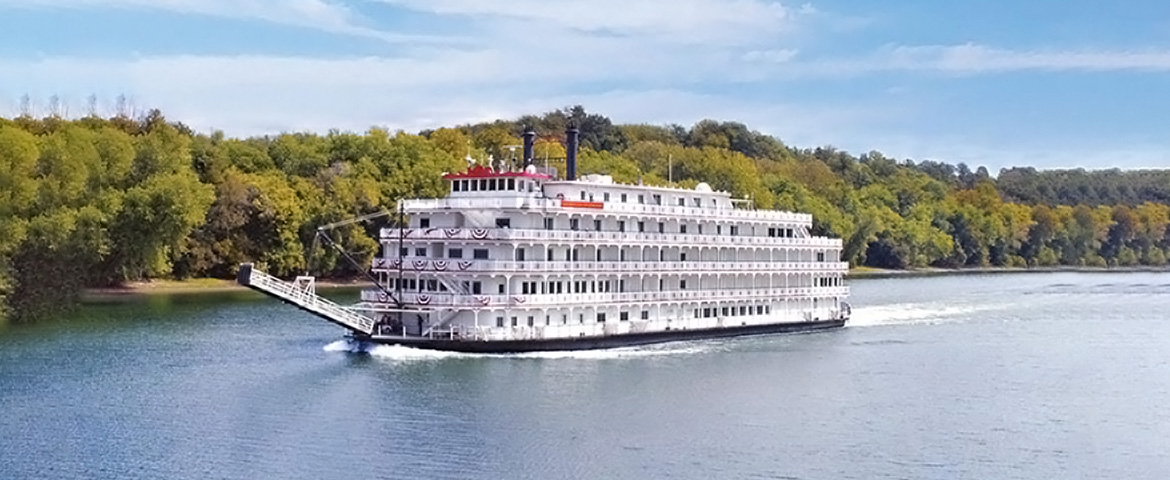
American Splendor
84 Cruises
| 13 July | 16 days | One-way from New Orleans to Nashville TN |
450-628-6241
Call us
|
| 14 July | 13 days | One-way from New Orleans to Nashville TN |
450-628-6241
Call us
|
| 11 July | 16 days | One-way from New Orleans to Nashville TN |
450-628-6241
Call us
|
| 12 July | 13 days | One-way from New Orleans to Nashville TN |
450-628-6241
Call us
|
| 29 May | 16 days | One-way from New Orleans to Nashville TN |
450-628-6241
Call us
|
| 30 May | 13 days | One-way from New Orleans to Nashville TN |
450-628-6241
Call us
|
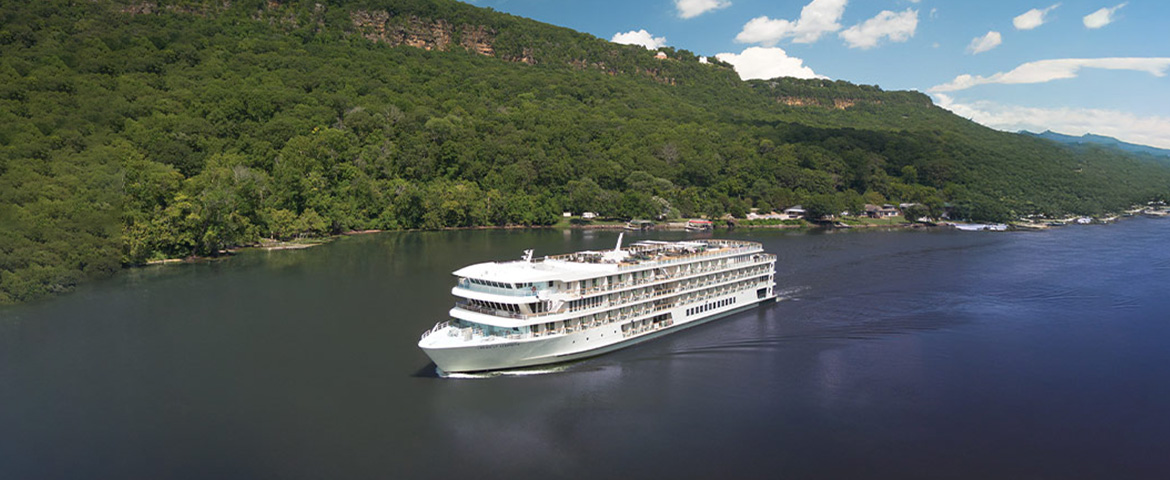
American Symphony
60 Cruises
| 6 July | 14 days | One-way from New Orleans to Louisville KY |
450-628-6241
Call us
|
| 7 July | 11 days | One-way from New Orleans to Louisville KY |
450-628-6241
Call us
|
Viking River Cruises (32 Cruises)
Viking Mississippi
32 Cruises


| 27 October | 8 days | One-way from Memphis TN to Nashville TN |
450-628-6241
Call us
|
| 28 October | 5 days | One-way from Memphis TN to Nashville TN |
450-628-6241
Call us
|
| 6 July | 22 days | One-way from New Orleans to Minneapolis-Saint Paul |
450-628-6241
Call us
|
| 6 July | 15 days | One-way from New Orleans to Alton IL |
450-628-6241
Call us
|
| 10 August | 22 days | One-way from New Orleans to Minneapolis-Saint Paul |
450-628-6241
Call us
|
| 10 August | 15 days | One-way from New Orleans to Alton IL |
450-628-6241
Call us
|
| 26 October | 15 days | One-way from New Orleans to Louisville KY |
450-628-6241
Call us
|
| 26 October | 13 days | One-way from New Orleans to Louisville KY |
450-628-6241
Call us
|

Paducah, Kentucky | Cruise Port Guide
Frequently Asked Questions
At the landing, facing the tall floodwall that protects the town from the Ohio River. A gate cut through the wall opens straight into the historic centre: you literally enter Paducah through a door.
Yes. The floodwall murals, the historic downtown, the National Quilt Museum and the riverfront walk are all within walking distance of the landing. The Lower Town gallery district is slightly further but still walkable.
Start with the floodwall murals, some fifty panels painted by Robert Dafford and his team. Then the National Quilt Museum, the Lower Town galleries, and the riverfront walk to watch the barge tows go by.
The largest museum in the world devoted to quilting. Its galleries rotate several hundred contemporary works whose craftsmanship surprises even visitors who came out of simple curiosity. Every spring, QuiltWeek draws thousands of enthusiasts.
Two centuries of local history: Native nations, memorable floods, steamboats, street bands. Some fifty concrete panels turned into an open-air gallery, right across from the landing.
It joined the Creative Cities Network in 2013 for crafts and folk art, a distinction very few American cities share. The Lower Town district, with its restored Victorian houses, has filled with studios of painters, ceramicists and fibre artists.
The confluence of the Tennessee and Ohio rivers, and the traffic of towboats pushing barge strings among the largest on the American river system. That crossroads position is what built the town in the nineteenth century.
The US dollar, and cards work at the museum, in the galleries and downtown cafés. Keep some cash for the antique dealers and small fabric shops.
Spring through autumn, the Ohio River cruising season. Spring coincides with QuiltWeek, which enlivens the town but also fills the hotels; autumn is quieter and milder for walking.
Partly. The floodwall murals work like a treasure hunt, and passing barges fascinate children. The quilt museum, however, asks a little patience of them.


