Oak Alley Plantation Louisiana
628
Cruises availables
At departure or passage at this port
American Cruise Lines (628 Cruises)
American Heritage
108 Cruises
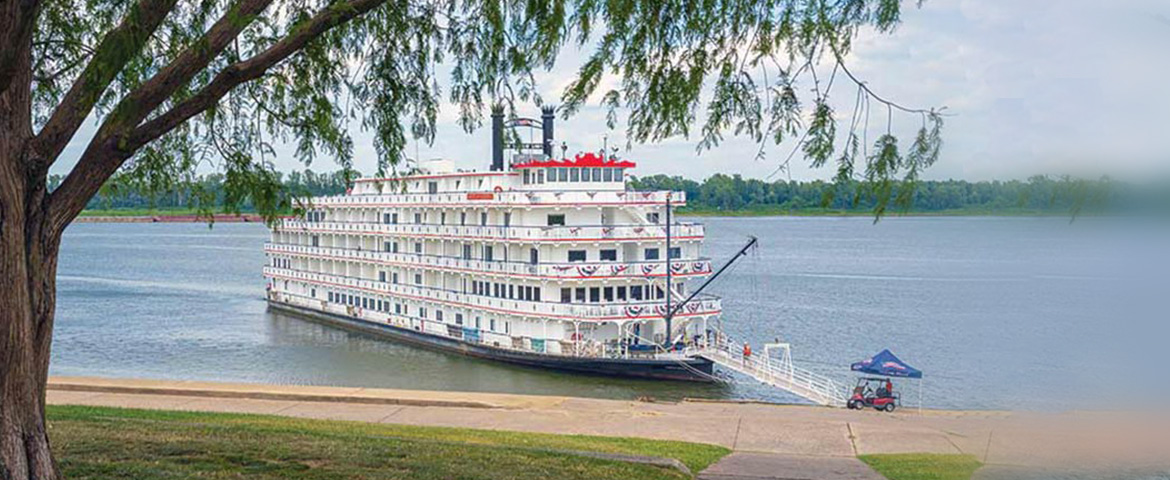

American Melody
166 Cruises

| 30 October | 9 days | One-way from New Orleans to Memphis TN |
450-628-6241
Call us
|
| 31 October | 6 days | One-way from New Orleans to Memphis TN |
450-628-6241
Call us
|
| 4 June | 23 days | One-way from New Orleans to Minneapolis-Saint Paul |
450-628-6241
Call us
|
| 5 June | 21 days | One-way from New Orleans to Minneapolis-Saint Paul |
450-628-6241
Call us
|
| 29 October | 9 days | One-way from New Orleans to Memphis TN |
450-628-6241
Call us
|
| 30 October | 6 days | One-way from New Orleans to Memphis TN |
450-628-6241
Call us
|
| 2 June | 23 days | One-way from New Orleans to Minneapolis-Saint Paul |
450-628-6241
Call us
|
| 3 June | 21 days | One-way from New Orleans to Minneapolis-Saint Paul |
450-628-6241
Call us
|
| 27 October | 9 days | One-way from New Orleans to Memphis TN |
450-628-6241
Call us
|
| 28 October | 6 days | One-way from New Orleans to Memphis TN |
450-628-6241
Call us
|
| 8 June | 23 days | One-way from New Orleans to Minneapolis-Saint Paul |
450-628-6241
Call us
|
| 9 June | 21 days | One-way from New Orleans to Minneapolis-Saint Paul |
450-628-6241
Call us
|
| 3 November | 9 days | One-way from New Orleans to Memphis TN |
450-628-6241
Call us
|
| 4 November | 6 days | One-way from New Orleans to Memphis TN |
450-628-6241
Call us
|
American Serenade
168 Cruises

| 4 May | 9 days | One-way from New Orleans to Memphis TN |
450-628-6241
Call us
|
| 5 May | 6 days | One-way from New Orleans to Memphis TN |
450-628-6241
Call us
|
American Splendor
140 Cruises
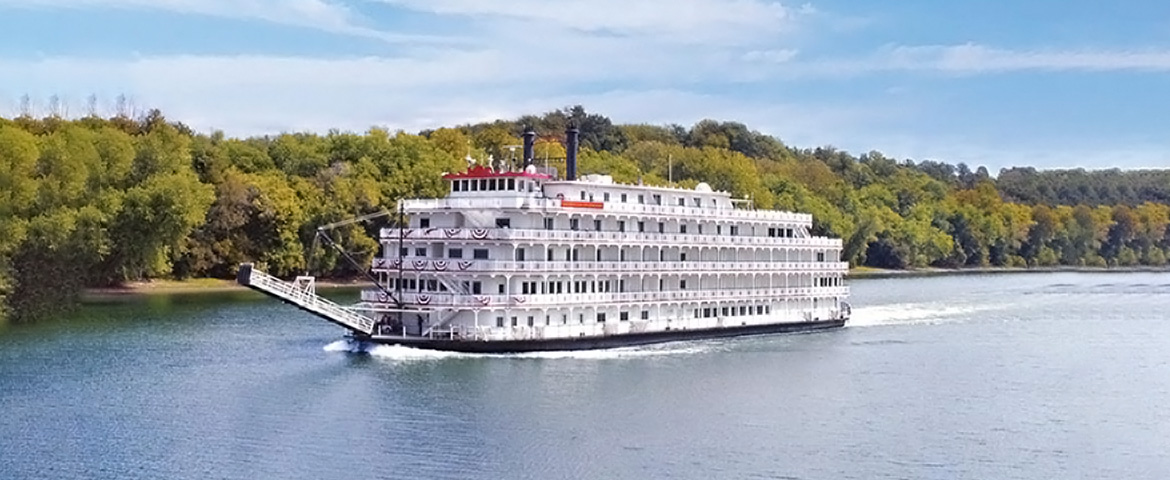
| 21 September | 16 days | One-way from Nashville TN to New Orleans |
450-628-6241
Call us
|
| 22 September | 13 days | One-way from Nashville TN to New Orleans |
450-628-6241
Call us
|
American Symphony
46 Cruises

| 13 April | 9 days | One-way from New Orleans to Memphis TN |
450-628-6241
Call us
|
| 14 April | 6 days | One-way from New Orleans to Memphis TN |
450-628-6241
Call us
|
| 22 June | 16 days | One-way from Nashville TN to New Orleans |
450-628-6241
Call us
|
| 23 June | 13 days | One-way from Nashville TN to New Orleans |
450-628-6241
Call us
|
| 9 April | 16 days | One-way from New Orleans to Nashville TN |
450-628-6241
Call us
|
| 10 April | 13 days | One-way from New Orleans to Nashville TN |
450-628-6241
Call us
|
| 18 June | 16 days | One-way from Nashville TN to New Orleans |
450-628-6241
Call us
|
| 19 June | 13 days | One-way from Nashville TN to New Orleans |
450-628-6241
Call us
|
Oak Alley Plantation, Louisiana | Cruise Port Guide
Frequently Asked Questions
Along the Mississippi levee directly opposite the estate. Cross the levee and you are at the foot of the oak alley: one of the most direct landings on Louisiana's plantation route.
No. The great house stands at the end of the oak alley, a few hundred metres from the landing, on flat ground. The cabins housing the slavery exhibition are just behind the residence, a short distance further.
Walk the oak alley first, early if possible, before the coaches arrive from New Orleans. Then the guided house tour, the slavery exhibition in the six reconstructed cabins, and the display on sugar cane cultivation.
Twenty-eight live oaks forming a 240-metre vault between the river and the house. They were planted in the early eighteenth century by an unknown settler, decades before the mansion, whose 28 columns answer the 28 trees.
Yes, and that is what gives the visit its real depth. Behind the residence, six reconstructed cabins hold a permanent exhibition naming the enslaved people who lived here and detailing their daily lives, the cane work and the sales that separated families.
In 1839, for Jacques Télesphore Roman, a Creole sugar planter. From the upstairs gallery the view runs the length of the alley to the levee: the setting was designed to impress visitors arriving by river, in an era when the Mississippi was the main road.
Early morning, before the coaches arrive from New Orleans. The filtered light beneath the oaks and the sound of cicadas make that walk the high point of the stop, and photographs benefit greatly.
The US dollar, and cards are taken at admission, the shop and the estate restaurant. There is no village nearby: everything is settled on site.
Autumn and spring. Louisiana summers are hot, humid and prone to late-afternoon thunderstorms, which makes the walk under the oaks harder going. The sugar cane fields surrounding the estate are at their finest in late summer.
Partly. The oak alley and the cane fields appeal to children, and the sugar exhibition stays concrete. The guided house tour and the slavery exhibition, however, call for maturity and attention.


