Mount Vernon VA Virginia, George Washington's Plantation

28 Cruises availables At departure or passage at this port

American Cruise Lines (28 Cruises)

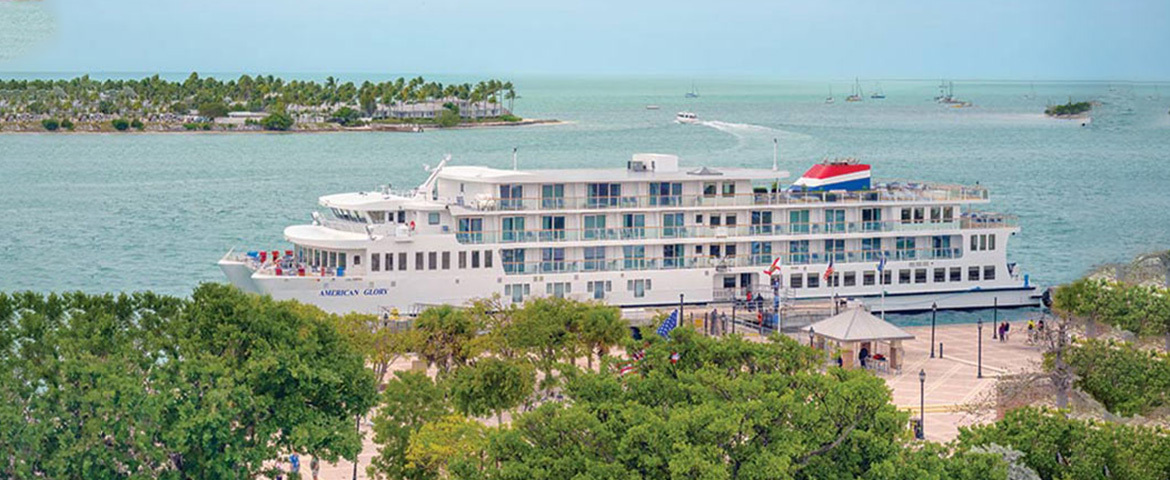
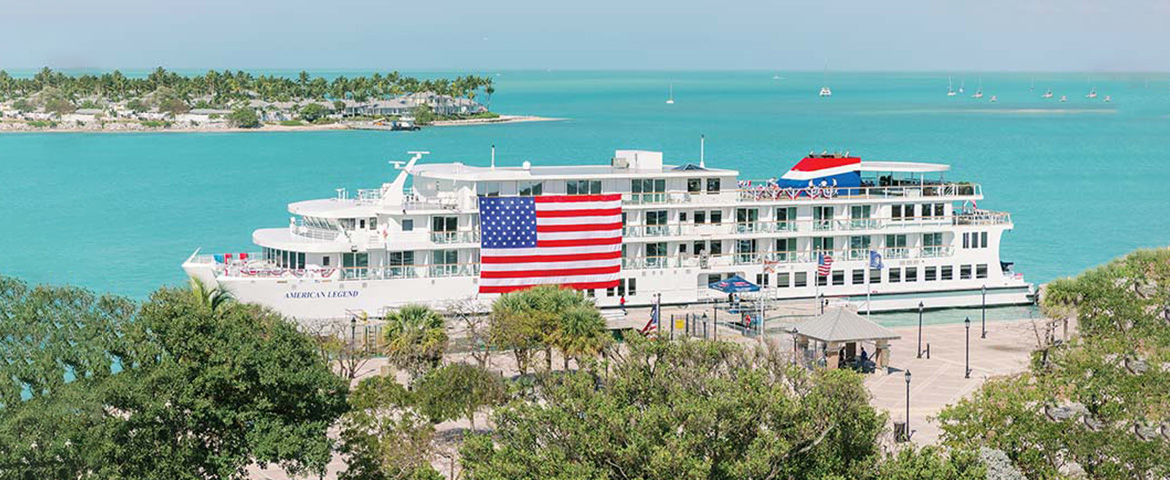
American Legend

Visit the ship's page

Mount Vernon, Virginia | Cruise Port Guide

The dock serves neither a town nor a village: it belongs to an estate. Boats sailing up the Potomac dock directly at the Mount Vernon wharf, rebuilt in 1880 at the foot of George Washington's property, and passengers disembark where the first president of the United States once received his goods and his guests. On the hill, between the trees, the white façade of the mansion and its red roof topped by a cupola already come into view.

A path climbs from the river to the house; a shuttle takes over in season for those who prefer to avoid the slope. From the very first metres, the estate displays its orderly layout: lawns, orchards, outbuildings in rows, and the Potomac gleaming below.

The Home of the First President

Washington lived here for more than forty years, enlarging the wooden house painted to look like stone until his death in his bedroom in December 1799. The tour, organized by time slots, passes through parlours restored to their bright colours, the New Room dining room he was so proud of, and the second-floor bedrooms. The most powerful moment, however, is outside: the piazza, the large columned portico facing the river, where chairs invite you to contemplate exactly the landscape the general contemplated. Rare in the United States, the opposite shore has remained wooded and protected: the view has hardly changed since the 18th century. Few American places offer such continuity of perspective.

The Tomb and the Slave Memorial

Below the gardens, the brick vault holds the sarcophagi of George and Martha Washington, in accordance with the president's wishes. A few steps away, a sober memorial honours the hundreds of enslaved people who lived and worked on the plantation, whose cemetery without headstones occupies the neighbouring slope. The estate no longer sidesteps this part of history: exhibitions and themed tours now give it its full place, and this honesty strengthens the significance of the site.

Gardens, Farm and Outbuildings

Around the mansion, the estate recreates daily life on an 18th-century plantation: a walled kitchen garden, greenhouse, blacksmith shop, smokehouse and workers' quarters. Near the wharf, the pioneer farm presents the agricultural techniques that Washington, a passionate and innovative farmer, tried out on his land: heritage-breed animals, period crops, and a reconstruction of his sixteen-sided treading barn, an invention whose plans he drew himself. Children happily linger there while history buffs head for the museum and education centre: twenty-three galleries, the president's personal belongings, immersive films and top-calibre museum work. An inn and food counters near the entrance let you have lunch without leaving the grounds.

Planning Your Visit

The estate covers about two hundred hectares: allow at least three hours for the mansion, the tomb, the gardens and the museum. The estate shuttle makes getting around easier for those who prefer to avoid the slopes. Mansion tickets are sold by time slot and should be booked early in high season. A reconstructed distillery and gristmill operate a few kilometres to the south, accessible only if the port call schedule allows.

Walking back down to the river, most visitors turn around one last time toward the façade. Mount Vernon is not a stage set: it is a house inhabited by a complex memory, greatness and shadows included. You leave feeling you have shaken hands with 18th-century America, and the Potomac gently carries the ship back to the present.

Frequently Asked Questions

Right at the Mount Vernon wharf on the Potomac, at the foot of George Washington's estate. The pier, rebuilt in 1880, belongs to no town or village: it is part of the property, and passengers land where the first president once received his goods and guests.
A path climbs from the river to the house, a real but short slope. In season a shuttle takes over for anyone who would rather skip the hill. Once at the top, the estate is flat walking between lawns, orchards and outbuildings.
Allow at least three hours: the timed mansion tour, the piazza facing the river, the tomb of George and Martha Washington, the slave memorial, then the museum and education centre. With more time, add the Pioneer Farm near the wharf.
The far bank of the Potomac has remained wooded and protected, which is rare in the United States. From the piazza, the tall colonnaded porch facing the river, the landscape is essentially unchanged since the eighteenth century: you see what Washington saw.
Yes, directly. A restrained memorial honours the hundreds of enslaved people who lived and worked on the plantation, whose unmarked burial ground lies on the neighbouring slope. Exhibitions and dedicated tours cover their lives; the estate no longer sidesteps this part of its history.
No. The wharf serves the estate alone: there is no town and no shopping street. An inn and food outlets near the entrance let you eat on site, and the estate shop rounds out the options.
The US dollar, and cards are taken at admission, the museum, the shop and the inn. There is little need for cash beyond tips.
English. The site draws many international visitors and offers material in several languages, but the guided mansion tours are conducted in English.
Spring and autumn. The gardens are at their best from April to June, October colour is worth the trip, and Virginia summers are hot and humid. The estate is open year-round, though Potomac river cruising concentrates in the warmer months.
Yes. The Pioneer Farm near the wharf shows heritage-breed animals, period crops and a reconstruction of the sixteen-sided treading barn Washington designed himself: children happily linger there while adults head for the museum.