Minneapolis-Saint Paul Minnesota
174
Cruises availables
At departure or passage at this port
American Cruise Lines (154 Cruises)
American Melody
74 Cruises
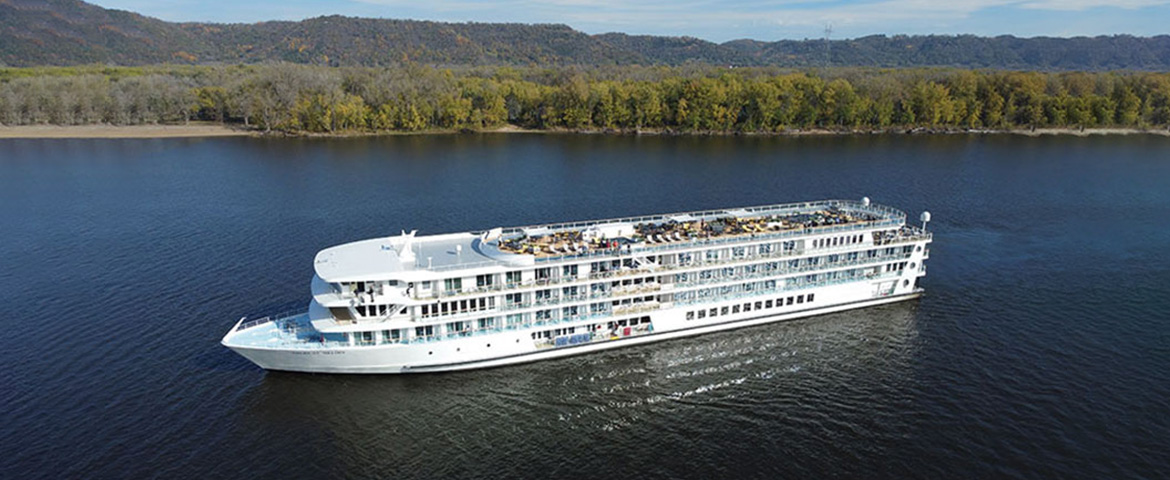

| 30 July | 9 days | One-way from St Louis MO to Minneapolis-Saint Paul |
450-628-6241
Call us
|
| 31 July | 7 days | One-way from St Louis MO to Minneapolis-Saint Paul |
450-628-6241
Call us
|
| 29 September | 9 days | One-way from St Louis MO to Minneapolis-Saint Paul |
450-628-6241
Call us
|
| 30 September | 7 days | One-way from St Louis MO to Minneapolis-Saint Paul |
450-628-6241
Call us
|
American Serenade
68 Cruises
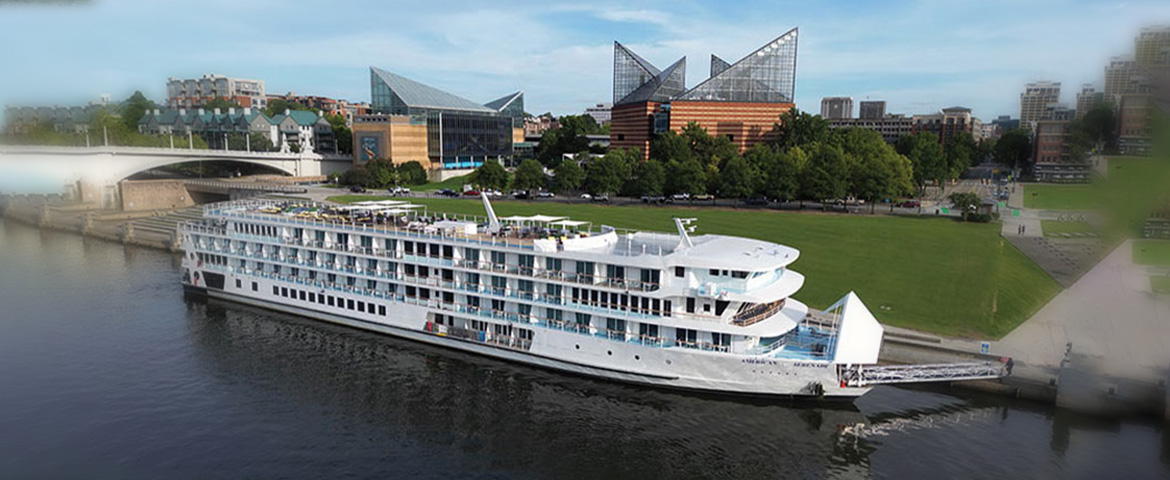
| 11 June | 23 days | One-way from New Orleans to Minneapolis-Saint Paul |
450-628-6241
Call us
|
| 12 June | 21 days | One-way from New Orleans to Minneapolis-Saint Paul |
450-628-6241
Call us
|
| 15 June | 23 days | One-way from New Orleans to Minneapolis-Saint Paul |
450-628-6241
Call us
|
| 16 June | 21 days | One-way from New Orleans to Minneapolis-Saint Paul |
450-628-6241
Call us
|
American Symphony
12 Cruises
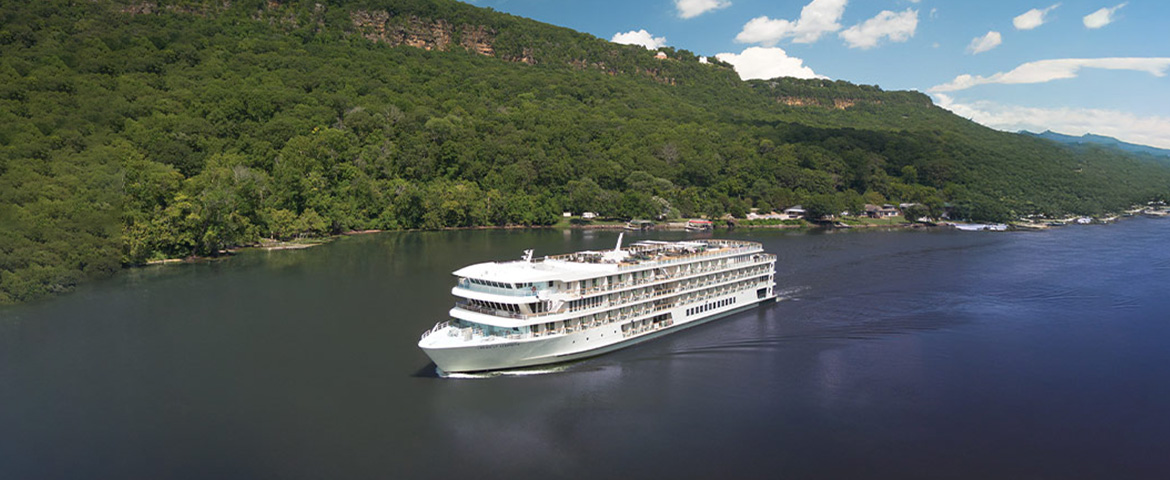
Viking River Cruises (20 Cruises)
Viking Mississippi
20 Cruises


| 11 July | 22 days | One-way from New Orleans to Minneapolis-Saint Paul |
450-628-6241
Call us
|
| 25 July | 8 days | One-way from Alton IL to Minneapolis-Saint Paul |
450-628-6241
Call us
|

Minneapolis-Saint Paul, USA | Cruise Port Guide
Frequently Asked Questions
At Lambert's Landing in Saint Paul, at the foot of the Lowertown district. The downtown towers rise just above the wharves, within walking distance: no need to look for a coach on landing.
In two hours: wander Lowertown, its converted brick warehouses and cafes, then follow the Mississippi wharves. With half a day: climb to the cathedral and walk back down Summit Avenue, lingering before the 19th-century houses.
The former warehouse district at the top of the bank, which kept its brick facades and freight hoists, now converted into artists' studios, cafes and craft breweries. On weekend mornings, the farmers' market draws growers and strollers under its awnings.
A long run of remarkably preserved Victorian houses on the heights, steps from the cathedral. Francis Scott Fitzgerald was born in this neighbourhood, and walking past the lawns you understand where the author of Gatsby drew his view of American fortunes.
A church on the hilltop whose dome takes its inspiration from St Peter's Basilica in Rome. The interior, all marble and stained glass, surprises by its scale in a city of this size.
Yes, with a full day. Minneapolis plays a more contemporary tune: the Minneapolis Institute of Art and its encyclopedic collections, the Walker Art Center for current work, or the Weisman Art Museum with its crumpled steel facade by Frank Gehry.
The two banks answer each other: Saint Paul preserves, with its Victorian houses and its air of an elegant older lady; Minneapolis invents, with its contemporary art museums. Moving from one to the other in a single day gives the measure of the pair known as the Twin Cities.
No, not yet. It does not have here the lazy breadth it shows in Louisiana: it runs briskly between wooded bluffs. Saint Paul is where the great ascent of the river ends or begins, before its 3,700-kilometre run to the Gulf.
Yes. At Como Park you pass from the Japanese garden's glasshouses to the paths of a zoo families enjoy, without leaving the capital's limits. More than 800 kilometres of bike paths cross both banks, and the Mississippi trail hugs the river closely.
Summer and early autumn, when Upper Mississippi navigation is running and kayakers and cyclists share the banks. Minnesota winters are severe and close the river to cruising. Currency: the US dollar.


