Memphis TN Tennessee
591
Cruises availables
At departure or passage at this port
American Cruise Lines (500 Cruises)
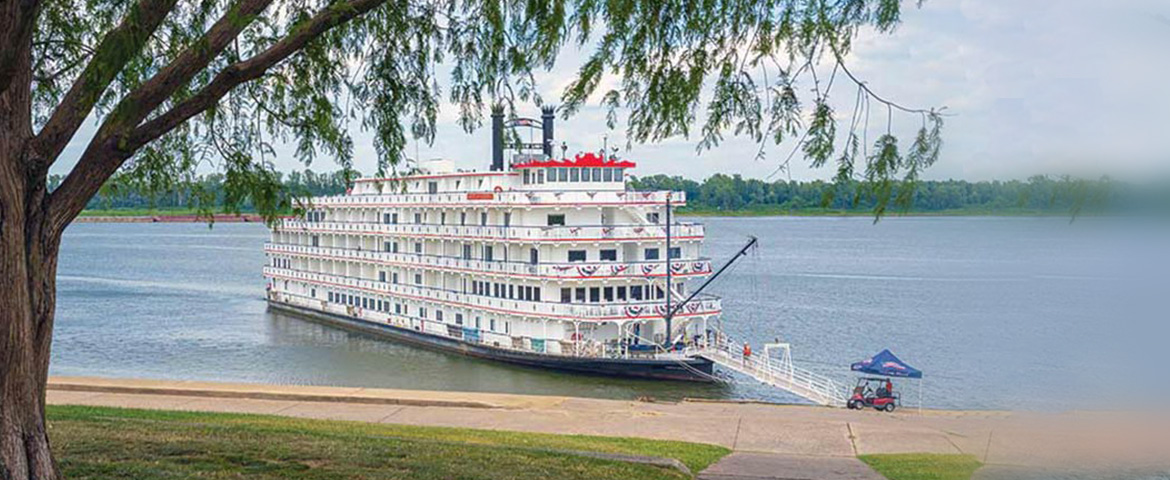

American Melody
146 Cruises
| 30 October | 9 days | One-way from New Orleans to Memphis TN |
450-628-6241
Call us
|
| 31 October | 6 days | One-way from New Orleans to Memphis TN |
450-628-6241
Call us
|
| 26 March | 9 days | One-way from New Orleans to Memphis TN |
450-628-6241
Call us
|
| 27 March | 6 days | One-way from New Orleans to Memphis TN |
450-628-6241
Call us
|
| 4 June | 23 days | One-way from New Orleans to Minneapolis-Saint Paul |
450-628-6241
Call us
|
| 5 June | 21 days | One-way from New Orleans to Minneapolis-Saint Paul |
450-628-6241
Call us
|
| 2 June | 23 days | One-way from New Orleans to Minneapolis-Saint Paul |
450-628-6241
Call us
|
| 3 June | 21 days | One-way from New Orleans to Minneapolis-Saint Paul |
450-628-6241
Call us
|
| 8 June | 23 days | One-way from New Orleans to Minneapolis-Saint Paul |
450-628-6241
Call us
|
| 9 June | 21 days | One-way from New Orleans to Minneapolis-Saint Paul |
450-628-6241
Call us
|
| 20 October | 16 days | One-way from Minneapolis-Saint Paul to New Orleans |
450-628-6241
Call us
|
| 21 October | 14 days | One-way from Minneapolis-Saint Paul to New Orleans |
450-628-6241
Call us
|
| 3 November | 9 days | One-way from New Orleans to Memphis TN |
450-628-6241
Call us
|
| 4 November | 6 days | One-way from New Orleans to Memphis TN |
450-628-6241
Call us
|
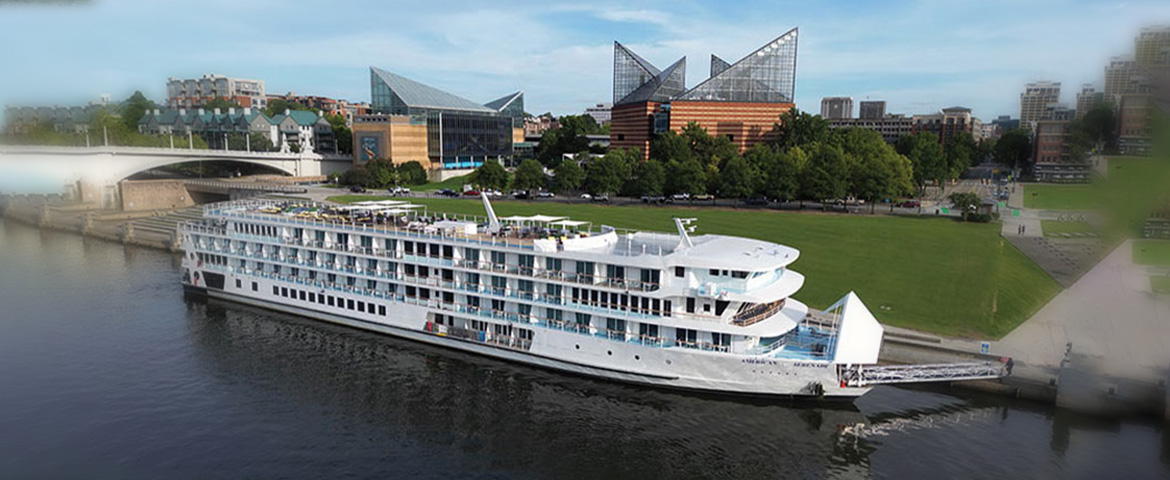
American Serenade
168 Cruises
| 24 September | 16 days | One-way from Minneapolis-Saint Paul to New Orleans |
450-628-6241
Call us
|
| 25 September | 14 days | One-way from Minneapolis-Saint Paul to New Orleans |
450-628-6241
Call us
|
| 25 August | 16 days | One-way from Minneapolis-Saint Paul to New Orleans |
450-628-6241
Call us
|
| 26 August | 14 days | One-way from Minneapolis-Saint Paul to New Orleans |
450-628-6241
Call us
|
| 4 May | 9 days | One-way from New Orleans to Memphis TN |
450-628-6241
Call us
|
| 5 May | 6 days | One-way from New Orleans to Memphis TN |
450-628-6241
Call us
|
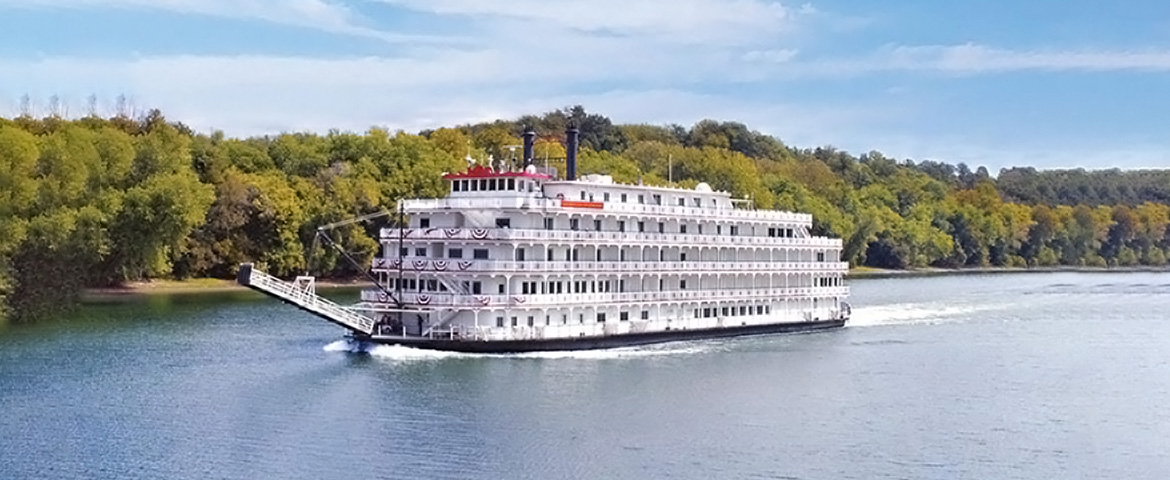
American Splendor
140 Cruises
| 21 September | 16 days | One-way from Nashville TN to New Orleans |
450-628-6241
Call us
|
| 22 September | 13 days | One-way from Nashville TN to New Orleans |
450-628-6241
Call us
|
American Symphony
38 Cruises
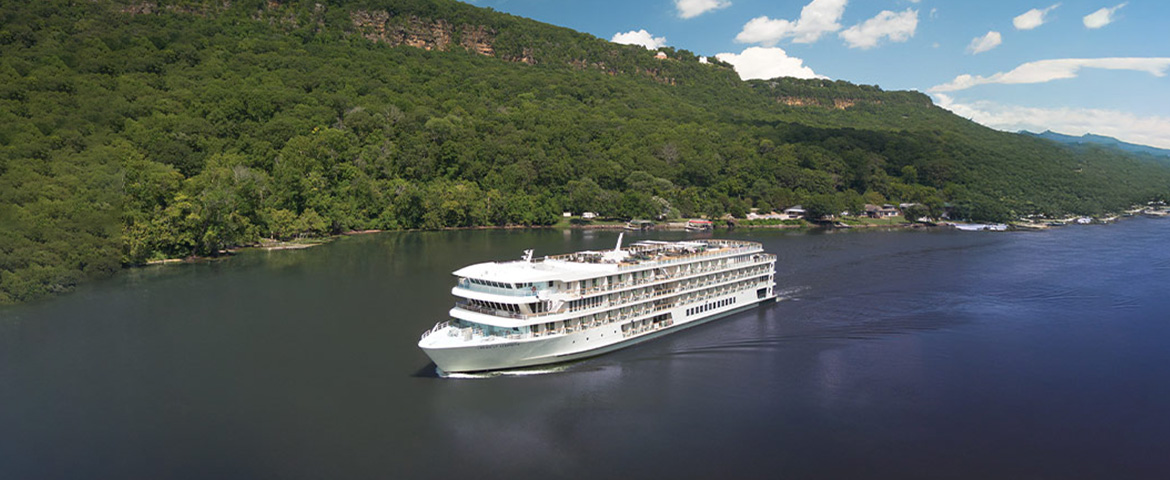
| 13 April | 9 days | One-way from New Orleans to Memphis TN |
450-628-6241
Call us
|
| 14 April | 6 days | One-way from New Orleans to Memphis TN |
450-628-6241
Call us
|
| 22 June | 16 days | One-way from Nashville TN to New Orleans |
450-628-6241
Call us
|
| 23 June | 13 days | One-way from Nashville TN to New Orleans |
450-628-6241
Call us
|
| 6 July | 14 days | One-way from New Orleans to Louisville KY |
450-628-6241
Call us
|
| 7 July | 11 days | One-way from New Orleans to Louisville KY |
450-628-6241
Call us
|
| 17 September | 16 days | One-way from Minneapolis-Saint Paul to New Orleans |
450-628-6241
Call us
|
| 18 September | 14 days | One-way from Minneapolis-Saint Paul to New Orleans |
450-628-6241
Call us
|
| 9 April | 16 days | One-way from New Orleans to Nashville TN |
450-628-6241
Call us
|
| 10 April | 13 days | One-way from New Orleans to Nashville TN |
450-628-6241
Call us
|
| 18 June | 16 days | One-way from Nashville TN to New Orleans |
450-628-6241
Call us
|
| 19 June | 13 days | One-way from Nashville TN to New Orleans |
450-628-6241
Call us
|
| 10 April | 16 days | One-way from New Orleans to Nashville TN |
450-628-6241
Call us
|
| 11 April | 13 days | One-way from New Orleans to Nashville TN |
450-628-6241
Call us
|
Viking River Cruises (91 Cruises)
Viking Mississippi
91 Cruises


| 27 October | 8 days | One-way from Memphis TN to Nashville TN |
450-628-6241
Call us
|
| 28 October | 5 days | One-way from Memphis TN to Nashville TN |
450-628-6241
Call us
|
| 10 August | 15 days | One-way from New Orleans to Alton IL |
450-628-6241
Call us
|
| 10 August | 22 days | One-way from New Orleans to Minneapolis-Saint Paul |
450-628-6241
Call us
|
| 11 July | 15 days | One-way from New Orleans to Alton IL |
450-628-6241
Call us
|
| 11 July | 22 days | One-way from New Orleans to Minneapolis-Saint Paul |
450-628-6241
Call us
|

Port of Memphis, USA | Cruise Port Guide
Frequently Asked Questions
At Beale Street Landing, exactly where the South's most famous street meets the Mississippi. You climb the bank and Memphis begins, with no transition and no dead time.
Downtown, yes. Beale Street starts at the top of the bank and the National Civil Rights Museum is a little over a kilometre away. Sun Studio, about three kilometres out, and Graceland, some fifteen, require a taxi or an excursion.
Walk Beale Street, then choose: the National Civil Rights Museum a kilometre away, or the Memphis Rock 'n' Soul Museum right there. Add the Peabody duck march and a plate of ribs. Graceland should be saved for long calls or organized excursions.
Because much of urban blues was born there, when W.C. Handy set the delta's music down on paper. The street is a designated historic landmark. At night it becomes a permanent festival; by day it can be walked more calmly, among record shops and walls covered in musical memory.
A museum housed in the former Lorraine Motel, where Martin Luther King was assassinated on 4 April 1968. The turquoise facade, the wreath on the balcony of room 306: few American places tighten the throat so surely. It traces a century of civil rights struggle, and you leave it silent.
Sun Studio, the launch booth for Elvis Presley, Johnny Cash and Jerry Lee Lewis, is about three kilometres away: manageable by taxi. Graceland, the King's home, lies some fifteen kilometres south and needs a long call or an organized excursion.
A ritual kept up since the 1930s: each day the Peabody Hotel's ducks ride the elevator down from their suite to paddle in the lobby fountain, before a delighted crowd. It is free, short and thoroughly Memphis.
Barbecue, defended here with theological fervour: dry-rub ribs, pulled pork sandwiches, and endless argument about the best address. Ask a local for advice, but be ready for three different answers.
Yes, with careful choices. The duck march, the 32-storey glass pyramid north of downtown and Tom Lee riverside park appeal to children. The National Civil Rights Museum suits teenagers and adults better: the subject is heavy, and deliberately so.
At Tom Lee riverside park, right by the landing, with lawns and viewpoints over the Hernando de Soto bridge and the barge tows. The sunsets there are rare in their generosity: the river catches fire and the neon comes on behind.


