Marietta OH Ohio

60 Cruises availables At departure or passage at this port

American Cruise Lines (60 Cruises)

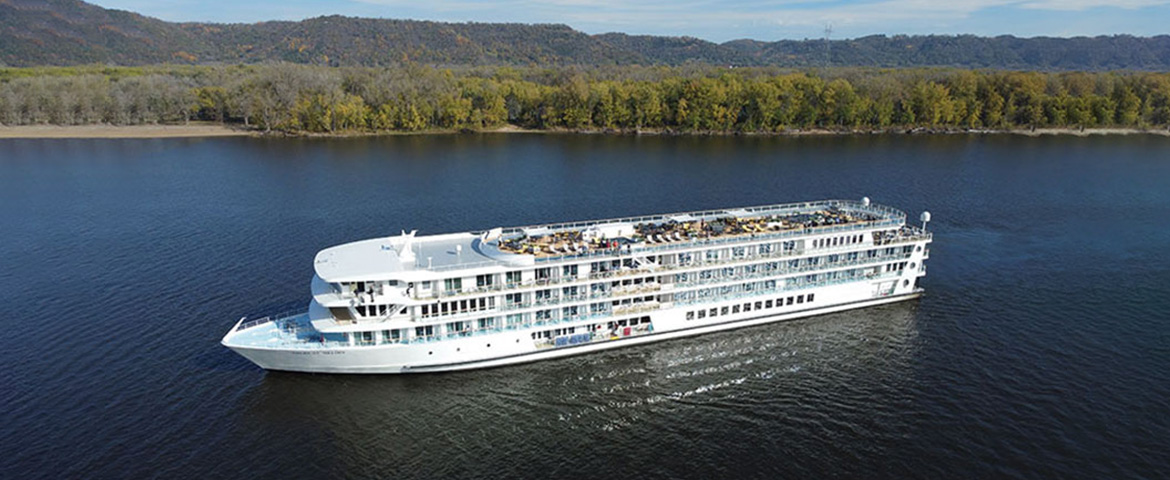
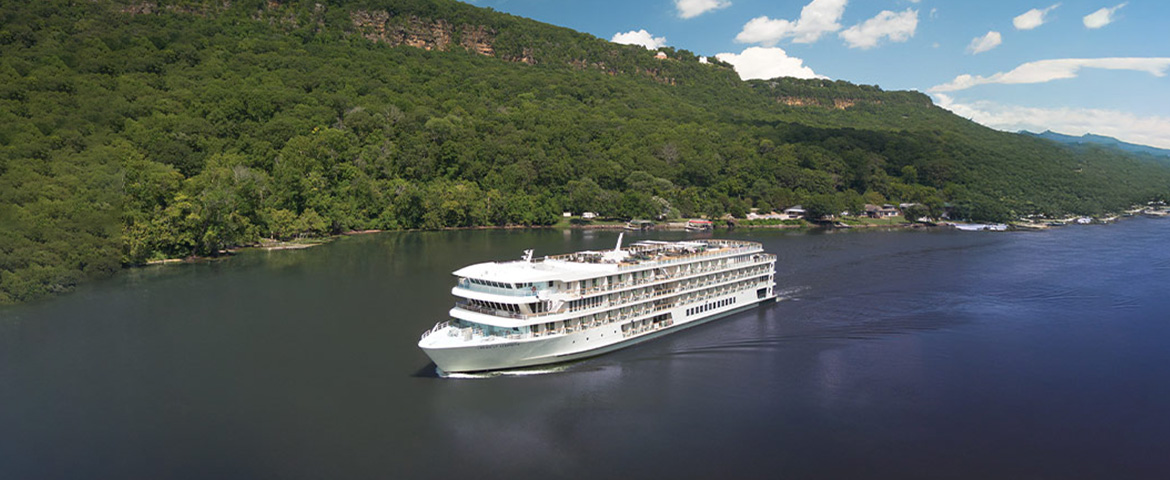
American Symphony

Visit the ship's page

Marietta, USA | Cruise Port Guide

Two rivers meet at the foot of the town: the Muskingum flows into the Ohio in front of the grassy landings where riverboats moor. Marietta, founded in 1788, was the first permanent settlement of the Northwest Territory, in other words the official starting point of American expansion westward. Ships dock along the downtown riverbank, and everything worth seeing is within walking distance: brick-lined streets, steeples, bookstores and cafés create a setting of well-preserved river America.

Campus Martius, at the Origins of Ohio

A few streets from the landing, the Campus Martius Museum stands on the site of the stockade that protected the first settlers from New England. Here you follow the great westward migration, with a period covered wagon on display, from the pioneers of the Ohio Company to 20th-century families who left to find work in the industrial cities. The house of Rufus Putnam, leader of the founders, is found at the heart of the exhibition, preserved with its period furnishings.

The River Told by Its Boats

Below, the Ohio River Museum details the golden age of steamboats, when hundreds of paddle-wheelers churned the waters between Pittsburgh and New Orleans. Moored in front of the pavilions, the W.P. Snyder Jr., the last intact steam-powered sternwheel towboat in the United States, can be explored from deck to pilothouse. Models, whistles and photographs place Marietta within this river saga, of which today's cruise ships are the direct heirs. Calliope tunes, from the steam organ on the upper decks, still ring out along the riverbank during the big sternwheel festival in September.

A Mound Older Than the Town

In the heart of Mound Cemetery, a conical earthwork built by people of the Adena culture watches over the graves of officers of the American Revolution, more numerous here than in any other cemetery in the country. The engraved names can still be read on the mossy stones. The staircase cut into the mound leads to a modest lookout: it would be hard to find a better summary of the site's historical depth, from the Indigenous builders to the veterans of 1776.

Harmar, the Other Bank of the Muskingum

A former railroad bridge converted into a pedestrian walkway crosses the Muskingum to the village of Harmar, where the fort that preceded the 1788 founding was established. Clapboard houses, a small railroad museum and an old-fashioned ice cream parlour make for a peaceful one-hour stroll, with the best views of the landings opposite. Those with a sweet tooth rarely head back on board without a cone or a bag of old-time candy.

Strolling Through the Historic Centre

  • Front Street and its independent shops, from antique dealers to chocolatiers and neighbourhood stores.
  • The Lafayette, a 1918 waterfront hotel whose lobby breathes the steamboat era.
  • The bridges over the Muskingum, perfect for a walk above the evening reflections.
  • The Castle house museum, a Gothic Revival home of 19th-century notables.
  • The Peoples Bank Theatre, a carefully restored 1919 venue, if a performance coincides with your stop.

Distances are easily covered on foot, and local volunteers, often present at the landing, hand out maps and advice with true Midwestern kindness.

At nightfall, the streetlights come on along the brick façades and the mingled waters of the two rivers take on a pewter hue. You then think back to the families who left New England at the end of the 18th century to build, right here, the first town of an immense territory. The American West began on this quiet riverbank, and Marietta tells the story without grandiloquence, on a human scale, as on that first evening in 1788.

Frequently Asked Questions

At the downtown riverbank, where the Muskingum meets the Ohio. The grassy landing is within walking distance of everything essential: brick-lined streets, church spires, bookshops and cafes.
Yes, easily. The distances are all walkable, and local volunteers, often on hand when ships arrive, hand out maps and advice with thoroughly Midwestern warmth.
The Campus Martius Museum for Ohio's origins, the Ohio River Museum and the steam tug W.P. Snyder Jr. moored outside, then the Adena mound in Mound Cemetery. Finish with the footbridge to Harmar across the Muskingum, or Front Street and its independent shops.
Founded in 1788, it was the first permanent settlement of the Northwest Territory — the official starting point of American expansion westward. The American West began on this quiet riverbank.
A museum built on the site of the stockade that protected the first settlers from New England. It follows the great westward migration, period covered wagon included, and Rufus Putnam's house, home of the founders' leader, is preserved at the heart of the exhibit with its original furnishings.
The last intact steam-powered sternwheel towboat in the United States, moored outside the Ohio River Museum. You can walk it from deck to pilothouse, and the museum's models, whistles and photographs place Marietta in the steamboat age between Pittsburgh and New Orleans.
A conical earthwork raised by the Adena culture, far older than the town, now watching over the graves of American Revolution officers — more of them here than in any other cemetery in the country. Stairs cut into the mound lead to a modest overlook.
The village across the Muskingum, where the fort that preceded the 1788 founding stood. A former railway bridge converted into a footbridge leads there. Clapboard houses, a small railway museum and an old-fashioned ice cream parlour make an hour's walk, with the finest views back to the landing.
Yes. The steam tug can be explored from deck to pilothouse, the Campus Martius covered wagon fires the imagination, the Harmar footbridge invites running across, and the old-fashioned ice cream parlour ends the day well. No difficult walking.
Spring through autumn, while river cruising runs. In September, the sternwheel festival fills the riverbank with calliope music, the steam organ of the upper decks. Currency: the US dollar, cards accepted.