Madison IN Indiana

60 Cruises availables At departure or passage at this port

American Cruise Lines (60 Cruises)

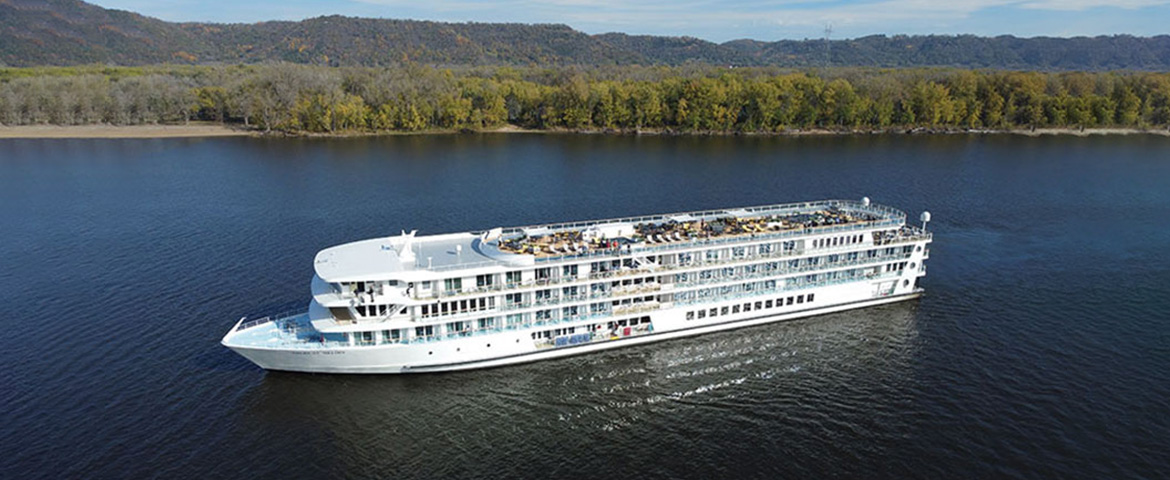
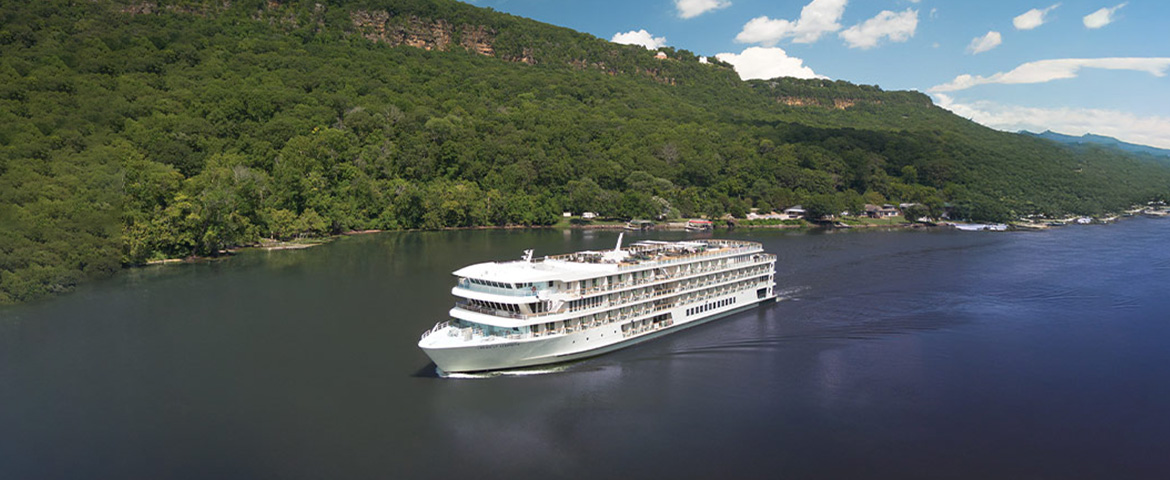
American Symphony

Visit the ship's page

Madison, Indiana, USA | Cruise Port Guide

On the Ohio, some ports of call feel like a return to 19th-century America. Madison, Indiana, is one of them. River boats moor at the foot of a town whose main street lines up brick façades, ornate cornices and painted signs, between the river and the wooded hills that close off the horizon.

Docking at the Foot of Town

River ships, including those of American Cruise Lines, dock right on the riverbank, a few minutes' walk from the centre. From the bank, you can take in at a glance the bridge spanning the Ohio toward Kentucky and the foliage framing the town, a scene passengers photograph before they've even come ashore. Everything is then done on foot, by rental golf cart or aboard the local shuttle serving the main points of interest.

An Extraordinary Historic District

Madison protects one of the largest heritage districts in the United States: about 133 listed city blocks, almost the entire old town. Federal-style houses, Greek Revival mansions, churches and 19th-century storefronts follow one another in a remarkable state of preservation, the fruit of local pride handed down from generation to generation. You wander from street to street, looking up at transoms, ironwork and well-tended gardens, without ever coming across a jarring modern note; a map handed out near the landing helps you spot the notable façades.

The Lanier Mansion

The district's masterpiece, the Lanier Mansion has overlooked the river since 1844. Local architect Francis Costigan designed it for financier James F. D. Lanier in a bold Greek Revival style: a monumental columned portico facing the Ohio and proportions of rare elegance. Designated a National Historic Landmark, the mansion can be visited along with its period-inspired gardens, where clipped boxwood and symmetrical paths extend the harmony of the façade, and you quickly understand why it's considered the pinnacle of local architecture.

More Doors to Open

Two other listed sites complete the tour: the Shrewsbury-Windle House, another Costigan success renowned for its free-standing staircase, and Eleutherian College, one of the first institutions in the country to admit all students, regardless of race or sex, as early as the 1850s, a testament to the region's early commitment to abolition.

The River as a Backdrop

The Ohio is never far away. Wide and calm at this point, it made Madison's fortune in the days of the paddle steamers, when the wharves overflowed with goods bound for New Orleans. The steel bridge crossing the current to Kentucky is a reminder that the opposite bank already belongs to another state. The riverbanks lend themselves to a peaceful walk: you watch tugboats pushing their barges, discover murals celebrating the era of the great boats, and better understand why the town was built facing the water rather than turning its back on it.

Time for a Stroll

Between visits, Main Street invites you to slow down: art galleries, antique shops, cafés and independent boutiques occupy the historic ground floors. Nature lovers can venture down to the riverbanks, while food lovers treat themselves to a coffee or an ice cream on a patio. No one hurries here, and it's contagious: you sit on a bench, watch the golf carts and strollers go by, and listen to the hour chime from the nearby steeple. The visit is as much a stroll as an open-air museum.

Then it's time to re-embark, and the ship's horn answers the town's bell towers. Madison slowly recedes, a row of façades set between the water and the trees, and you find yourself thinking that the golden age of river travel may never really have ended here.

Frequently Asked Questions

Directly on the Ohio riverbank, a few minutes' walk from downtown. River vessels, including American Cruise Lines ships, tie up at the foot of town: no shuttle is needed to reach the historic district.
Yes, entirely. Everything is reachable on foot, by rental golf cart, or aboard the local shuttle serving the main points of interest. The old district is flat and compact.
Tour the Lanier Mansion and its gardens, wander the historic district looking up at the transoms and ironwork, then walk Main Street for its galleries and antique shops. Finish along the Ohio riverbank, where towboats push their barges past.
Its size. Madison protects one of the largest heritage districts in the United States: about 133 listed city blocks, covering nearly the whole old town. Federal houses, Greek Revival mansions, churches and 19th-century shopfronts follow one another without a modern false note.
The district's masterpiece, overlooking the river since 1844. Local architect Francis Costigan designed it for financier James F. D. Lanier in a confident Greek Revival style: a monumental colonnaded portico facing the Ohio. A National Historic Landmark, it is toured together with its period-inspired gardens.
Two in particular: the Shrewsbury-Windle House, another Costigan success known for its free-standing staircase, and Eleutherian College, one of the first institutions in the country to admit all students regardless of race or sex, from the 1850s onward.
Yes. Eleutherian College attests to the region's early abolitionist commitment: from the 1850s it admitted all students regardless of race or sex, which was exceptional in the United States at the time.
Yes, for a quiet call. The golf carts are fun, the riverbank lets you watch towboats push their barges, and murals celebrating the steamboat era punctuate the walk. There are, however, no attractions or organized entertainment.
Because the Ohio made its fortune in the paddle-steamer era, when the wharves overflowed with goods bound for New Orleans. Wide and calm at this point, the river remains the city's thread, and the steel bridge is a reminder that the far bank is already Kentucky.
The US dollar, cards accepted. The Ohio River navigation season runs from spring to autumn; a map handed out near the landing helps you spot the historic district's notable facades.