Kitty Hawk NC North Carolina

36 Cruises availables At departure or passage at this port

American Cruise Lines (36 Cruises)
Port of Kitty Hawk, North Carolina | Cruise Port Guide

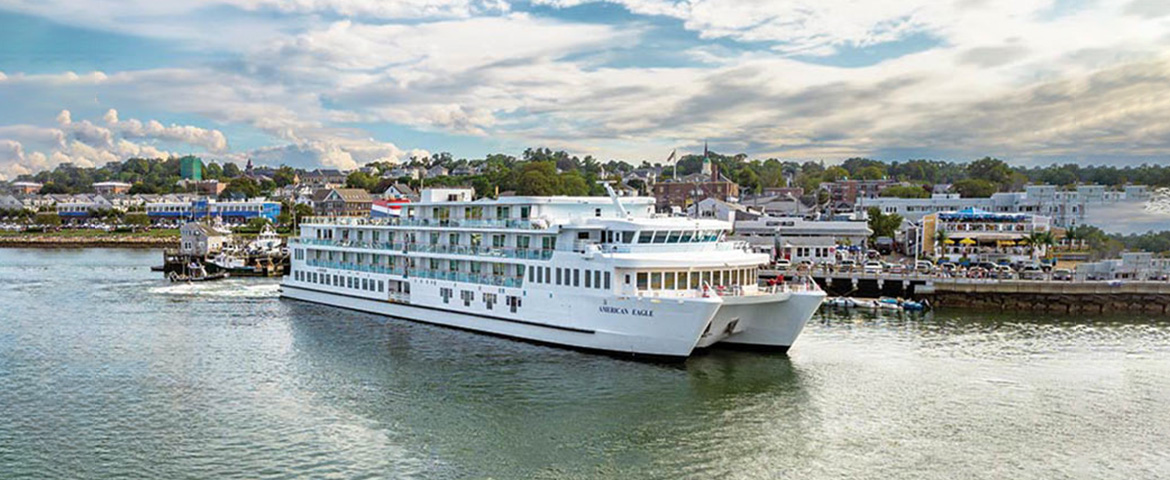
The wind comes first. It blows almost without pause over this thin barrier strip of the Outer Banks, bending the wild grasses and lifting vacationers' kites — the same wind that, one December morning in 1903, lifted a piloted flying machine for the very first time. Kitty Hawk, a slender village between the Atlantic and the calm inland sounds of North Carolina, found its way into every history book for twelve seconds of flight. The small ships of American coastal cruises stop here along the sheltered Intracoastal route, between the Chesapeake and Florida.

A Port Call on the Sound Side

Ships travel through the sheltered waters of the sounds, protected from the Atlantic surf, and passengers reach the sites on organized excursions. The island can be crossed in a few minutes: on one side, marinas and stilt houses facing the calm waters; on the other, ocean beaches pounded by breakers, separated by a single road lined with beach shops and seafood shacks.

Twelve Seconds That Changed the World

The main attraction lies a few kilometres to the south, in Kill Devil Hills: the Wright Brothers National Memorial. It was here — and not in the neighbouring village that gave its name to the feat, then little more than a post office — that Wilbur and Orville made the first controlled powered flight in history, on December 17, 1903: twelve seconds, 37 metres. Three more attempts followed that same day, the last covering nearly 260 metres. Stone markers show the distance of each of the day's four flights; the visitor centre displays a faithful replica of the Flyer, and the granite monument atop the great dune honours the determination of the two brothers from Ohio, who returned here four summers in a row to master the wind.

Walking in the Pioneers' Sand

You climb the monument hill the way you would climb a lighthouse: for the view. All around are the ocean, the sounds, the ribbon of beach houses — and you understand at a glance why the Wrights chose this spot: steady winds, soft ground to cushion falls, space as far as the eye can see — and isolation suited to secrecy, far from mocking journalists. Reconstructions of the 1903 camp, including the hangar and workshop, round out the visit. Allow a good two hours for everything.

The Living Dunes of Jockey's Ridge

A little farther south, in Nags Head, the tallest living sand dunes on the U.S. East Coast shift with every storm. You can walk barefoot through an almost Saharan landscape rising up to 30 metres above the rooftops, hang gliders launch from the slopes — an unintended tribute to the pioneers of flight — and every evening the sunset over the sound draws regulars and visitors alike. Excursions often combine the site with the memorial.

Flavours of the Sandbanks

The Outer Banks are as much to be tasted as to be told: blue crabs, lagoon oysters, lightly fried shrimp and clam chowder are enjoyed in wooden shacks weathered by salt. Stands also sell the local doughnut and iced lemonade, a welcome treat after climbing the dunes.

The Wind, Always

In the evening light, on the way back to the ship, you think of those two bicycle mechanics who came to defy gravity on a sandbank. Kitty Hawk has no ancient monuments or great museums: it has something better. A stubborn breeze, a shifting landscape, and the memory of the morning when humanity left the ground for the very first time.

Frequently Asked Questions

On the sound side, in the sheltered waters of the Intracoastal, away from Atlantic surf. Passengers then reach the sites by organized excursion: this is not a call where you step off at the attractions.
Not really. The island is only minutes wide by vehicle, but the main sites — the Wright Brothers memorial, the Jockey's Ridge dunes — lie several kilometres south. Plan on an excursion or a vehicle.
Allow a good two hours for the Wright Brothers National Memorial at Kill Devil Hills: the visitor centre, the markers for the four flights, the reconstructed 1903 camp and the climb to the monument. Add the Jockey's Ridge dunes and a meal of blue crab or oysters at a roadside shack.
Not exactly, and the distinction is worth knowing. The flight of 17 December 1903 took place at Kill Devil Hills, a few kilometres south; Kitty Hawk was simply the post office of the day, from which the telegram that gave the feat its name was sent. The memorial is therefore at Kill Devil Hills.
Stone markers showing the distance of each of the four flights of 17 December 1903 — the first twelve seconds and 37 metres, the last nearly 260 metres — a faithful reproduction of the Flyer in the visitor centre, the rebuilt hangar and workshop, and a granite monument on the great dune.
For four practical reasons: steady wind, soft ground to cushion crashes, open space as far as the eye can see, and isolation that kept the work secret, far from mocking reporters. They returned four summers running before they succeeded.
The tallest living sand dunes on the US east coast, at Nags Head, shifting with every storm. You walk them barefoot in an almost Saharan landscape rising up to 30 metres above the rooftops, and hang-glider pilots launch from the slopes.
Very much so. The Wright memorial captivates children who like aircraft, the Jockey's Ridge dunes are made for running down, and the ocean beaches are wide. The near-constant wind is a gift for kites — but bring a hat that stays on.
Blue crab, sound oysters, lightly fried shrimp and clam chowder, served in salt-weathered wooden shacks. Stands also sell the local doughnut and iced lemonade, welcome after the climb up the dunes.
Late spring to early autumn, when American coastal cruises run the Intracoastal. Keep in mind that Atlantic hurricane season runs June through November and that this barrier island is particularly exposed.