Port of Key Biscayne, Florida | Cruise Port Guide

Just a stone's throw from the towers of Miami, the scenery changes entirely: shallow turquoise water, mangroves, sailboats at anchor, and a brick lighthouse rising above the palm trees. Key Biscayne, a barrier island connected to the mainland by a long causeway, offers smaller cruise vessels a peaceful anchorage in Biscayne Bay, with the Florida metropolis's skyline as a backdrop. The stop plays on this constant contrast: the big city is right there, visible, yet everything here breathes island relaxation.

An Anchorage Facing the Skyline

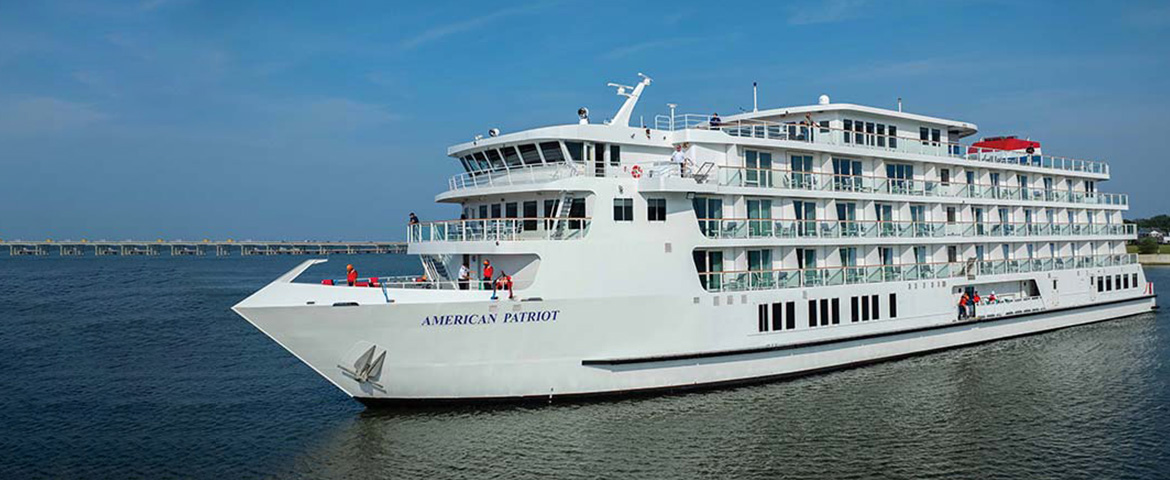
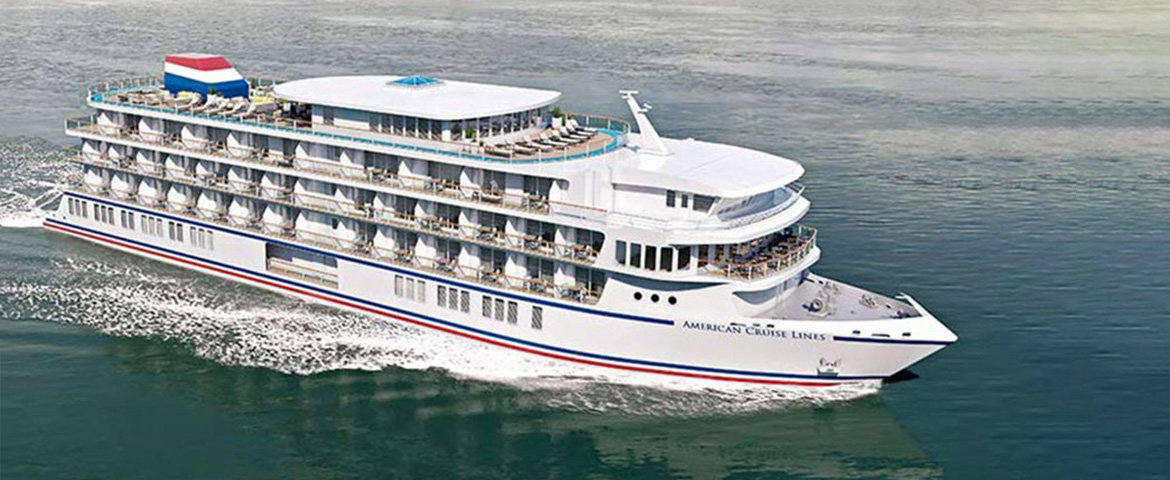
Yacht-style ships anchor in the sheltered waters of the bay and tender their passengers ashore, usually near the marinas or the state park occupying the southern tip. Once ashore, everything is done by bike or on foot: the island is barely a few kilometres long, flat as a pancake, and crisscrossed with shaded bike paths.

Miami's Elder Statesman

At the southern tip, Bill Baggs Cape Florida State Park protects beaches, dunes, and coastal forest. Its crown jewel is the Cape Florida Lighthouse, built in 1825: the oldest standing structure in Miami-Dade County. Climbing its 109 spiral steps leads to a circular gallery overlooking the Atlantic, the bay, the beaches, and, in the distance, the curious stilt houses of Stiltsville, planted right in the water since the 1930s. Free guided tours tell the site's eventful history, burned during the Seminole Wars in 1836, later rebuilt taller, and today recognized as part of the Underground Railroad network: in the early nineteenth century, escaped slaves quietly set sail from here toward freedom in the Bahamas.

Beaches, Trails, and Cool Corners

The park's beach, regularly ranked among the most pleasant in the United States, unrolls pale sand backed by sea grapes. On the bay side, the small No Name Harbor refuge brings together boaters and walkers around a waterfront restaurant where ceviche is enjoyed with dry feet, facing the sailboats; in the cooler season, a manatee sometimes pokes its snout up between the hulls. A paved trail of about 2.5 km loops around the park in the shade of Australian pines; bikes can be rented at the entrance, an ideal way to fill a whole morning without noticing the time pass.

Crandon Park and the Island's Wildlife

To the north, Crandon Park occupies a former coconut plantation and lines up more than three kilometres of public beach protected by a lagoon, picnic areas, and a nature centre that runs wildlife-watching outings: rays, hermit crabs, and shorebirds fill the shallows. Between the two parks, the village of Key Biscayne strings together cafés, shops, and restaurants in a residential, multilingual atmosphere, where Spanish mixes with English on every terrace, cortaditos and fresh fruit juices in hand.

Before Going Ashore

  • Bike and foot are enough to cover everything; taxis and golf carts fill in the gaps if needed.
  • The lighthouse is climbed on guided tours at set times; arrive early in high season.
  • Admission to both major parks is charged, in US dollars.
  • Strong sun and little shade on the beaches: an umbrella, water, and sunscreen are essential.
  • Mosquitoes are present near the mangroves in summer: repellent comes in handy.

Between Two Worlds

The anchor often comes up just as the sun drops behind Miami's skyscrapers, while the lighthouse lights up at the southern tip. Two lights, two worlds, a few hundred metres of water between them: that's the whole charm of Key Biscayne, the island that lets you taste wild Florida without ever losing sight of the big city.

Frequently Asked Questions

Nowhere alongside: small yacht-style vessels anchor in the sheltered waters of Biscayne Bay and land passengers by tender, usually near the marinas or the state park at the island's southern tip.
Both, and that is the best approach. The island is only a few kilometres long, table-flat, and laced with shaded bike paths. Bicycles rent at the state park entrance; taxis and golf carts fill any gaps.
Give the morning to Bill Baggs Cape Florida State Park: the lighthouse, the roughly 2.5 km paved trail and the beach. Add lunch at No Name Harbor facing the sailboats, then Crandon Park to the north if time allows. Key Biscayne village, between the two parks, has cafes and terraces.
The oldest standing structure in Miami-Dade County, built in 1825. Its 109 spiral steps open onto a circular gallery with views over the Atlantic, the bay and the stilt houses of Stiltsville. The climb happens on fixed-time guided tours: arrive early in high season.
Yes. The site is now part of the Underground Railroad network: in the early nineteenth century, freedom seekers embarked quietly from here for the Bahamas. The lighthouse was also burned during the Seminole Wars in 1836, then rebuilt taller.
Two areas share the island. The state park beach to the south runs pale sand backed by sea grapes and is regularly ranked among America's most pleasant. To the north, Crandon Park offers more than three kilometres of public beach sheltered by a lagoon.
Very much so. The Crandon Park lagoon gives calm, shallow water, its nature centre runs wildlife walks — rays, hermit crabs, shorebirds — and the flat bike paths suit young riders. Bring a beach umbrella: shade is scarce.
Sometimes, in the cooler season, at the small refuge of No Name Harbor: a manatee occasionally surfaces between the hulls. Nothing is guaranteed, but the sheltered basin and its waterfront restaurant are worth the stop regardless.
Yes, both major parks — Bill Baggs Cape Florida and Crandon Park — charge admission in US dollars. Also bring water, sunscreen and insect repellent: mosquitoes are present near the mangroves in summer.
English and Spanish, mixed on every terrace. The village has a residential, multilingual feel, cortaditos and fresh juice included. The US dollar is the currency and cards are accepted everywhere.