Kalama WA Washington
620
Cruises availables
At departure or passage at this port
American Cruise Lines (620 Cruises)
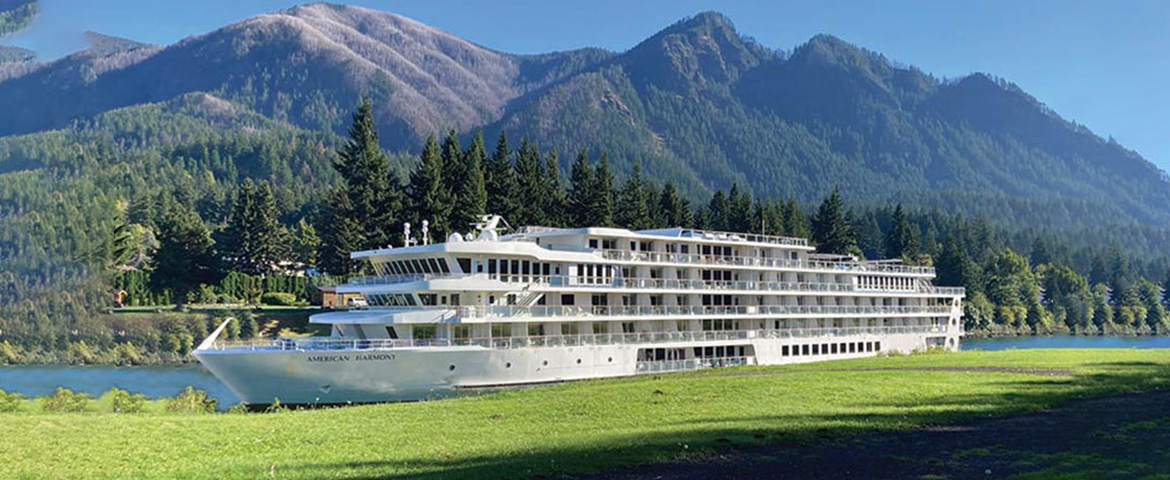
American Harmony
192 Cruises
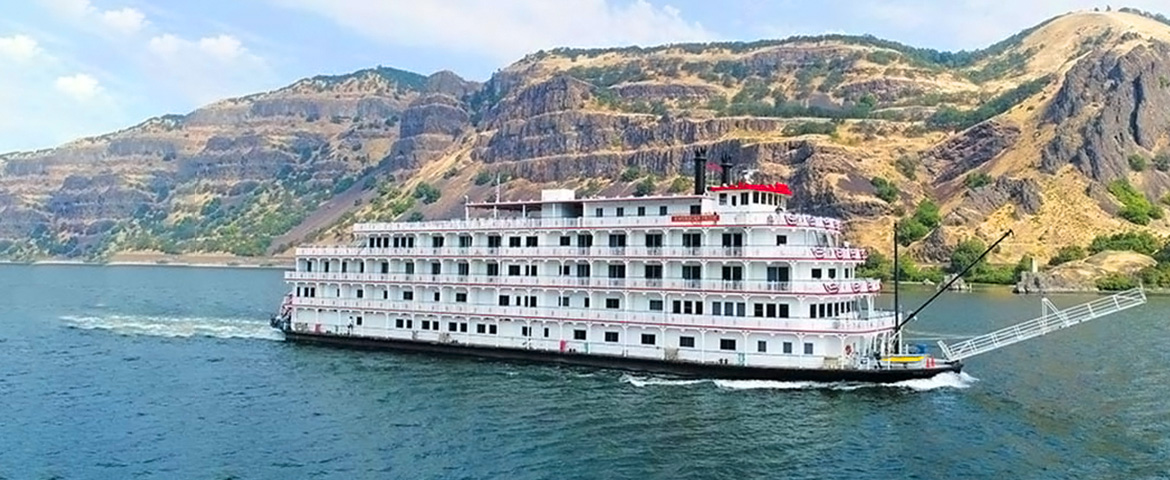
American Pride
210 Cruises
| 29 March | 7 days | Round-trip from Portland OR, USA |
450-628-6241
Call us
|
| 30 March | 5 days | Round-trip 6 Night Columbia River Gorge Cruise and Land Tour |
450-628-6241
Call us
|
| 27 March | 7 days | Round-trip from Portland OR, USA |
450-628-6241
Call us
|
| 28 March | 5 days | Round-trip 6 Night Columbia River Gorge Cruise and Land Tour |
450-628-6241
Call us
|
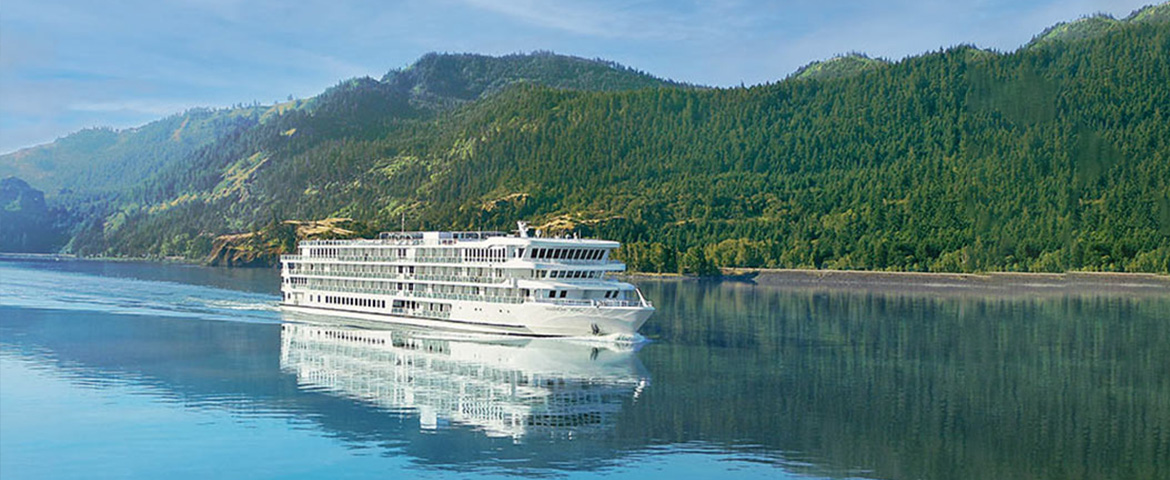
American Song
216 Cruises
| 30 March | 9 days | One-way from Portland OR to Clarkston WA |
450-628-6241
Call us
|
| 31 March | 6 days | One-way from Portland OR to Clarkston WA |
450-628-6241
Call us
|
| 28 March | 9 days | One-way from Portland OR to Clarkston WA |
450-628-6241
Call us
|
| 29 March | 6 days | One-way from Portland OR to Clarkston WA |
450-628-6241
Call us
|

Kalama (Washington) | Cruise Port Guide
Frequently Asked Questions
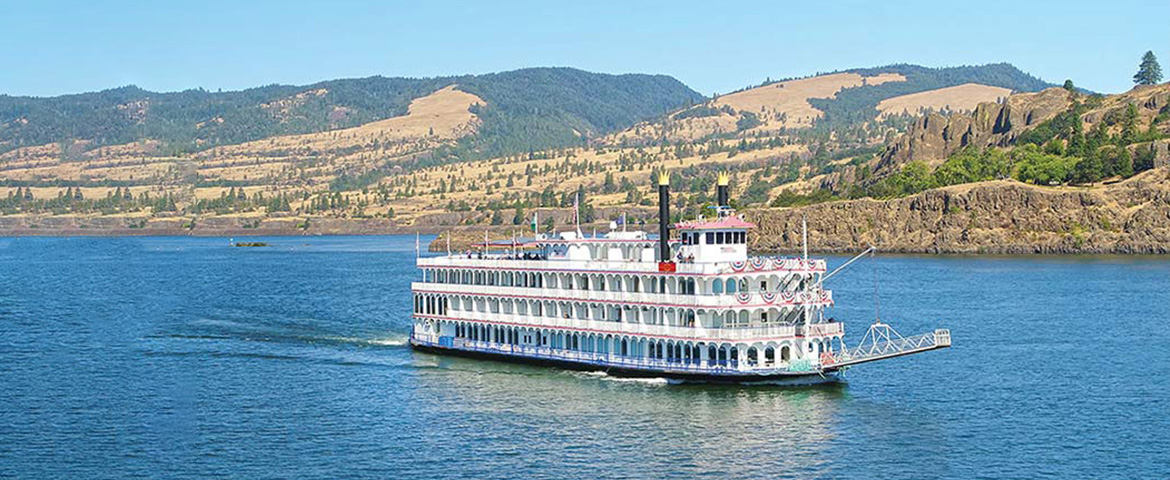
Right at the foot of town, on the bank of the Columbia River. River vessels tie up a few steps from the main street, which makes this call a simple walk: no shuttle, no taxi needed.
Yes. The interpretive centre, the Mountain Timber market, the main street and the riverside trail all sit within a five- to ten-minute walk of the dock, on flat ground.
Start with the waterfront totem poles, then the Mountain Timber market for regional artisans, the interpretive centre for local history, and finish along the riverside trail or among the main-street antique shops. The day fills itself without rushing.
The totem poles standing along the waterfront. The tallest rises 43 metres of stacked figures, carved from a single giant cedar, and it towers over the riverside market.
It is named for John Kalama, a Hawaiian recruited in the 19th century by the Hudson's Bay Company for the fur trade. He settled near the nearby river and raised a family with a woman of the river nations.
A large timber-framed building on the water, with a two-storey atrium beneath the giant totem pole. Regional artisans sell pottery, preserves, soaps and pieces turned from local woods.
Yes, in a quiet way. The riverside trail is flat and open, with benches and picnic tables, herons and ospreys are easy to spot, and the old-fashioned candy shop on the main street never fails. Do not expect a theme park or a beach.
Yes. The riverside trail links the dock, the marina and the bank-side parks on a flat route dotted with benches. Anglers try for salmon in season and barge tows slide past toward Portland or the ocean.
The US dollar, and credit cards are accepted everywhere. Still, carry some cash: a few main-street antique dealers and stalls prefer it.
May through October, when Columbia River cruising is at its peak and the weather stays dry. Pacific Northwest winters are wet and grey, which suits a call spent almost entirely outdoors on foot rather poorly.


