Jekyll Island GA Georgia
568
Cruises availables
At departure or passage at this port
American Cruise Lines (568 Cruises)
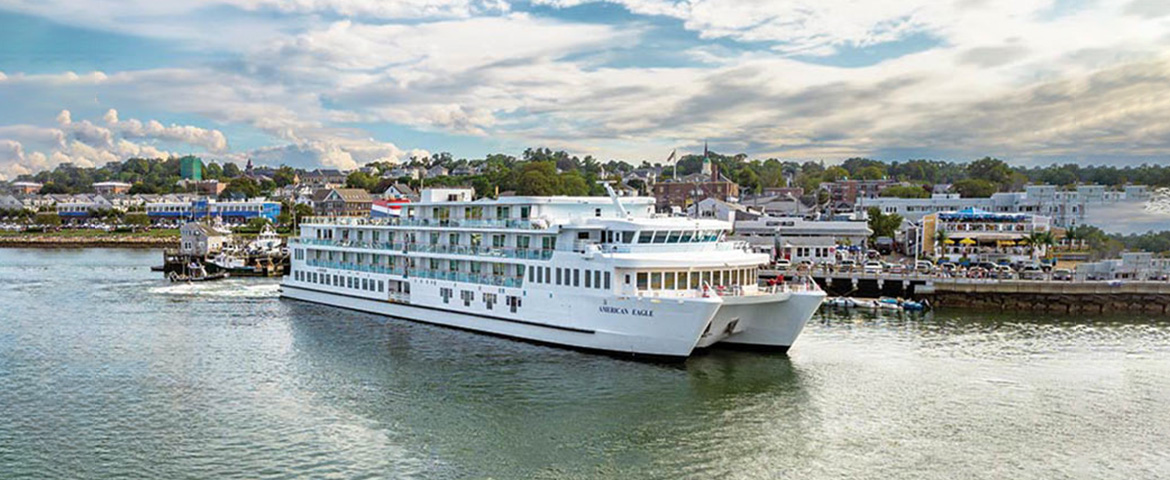
American Eagle
124 Cruises

| 28 January | 9 days | One-way from Charleston SC to Amelia Island Florida |
450-628-6241
Call us
|
| 29 January | 6 days | One-way from Charleston SC to Amelia Island Florida |
450-628-6241
Call us
|
| 27 January | 9 days | One-way from Charleston SC to Amelia Island Florida |
450-628-6241
Call us
|
| 28 January | 6 days | One-way from Charleston SC to Amelia Island Florida |
450-628-6241
Call us
|
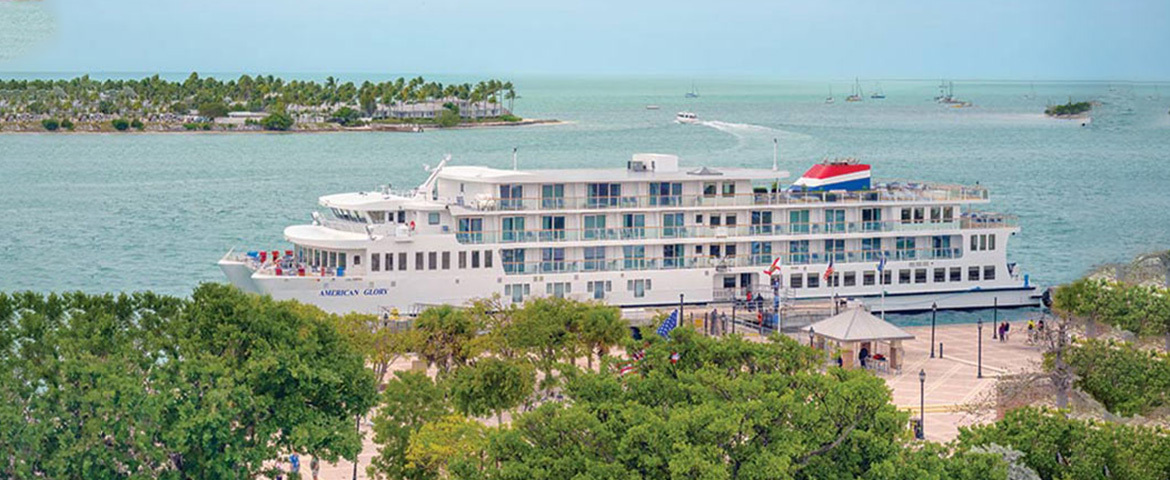
American Glory
106 Cruises
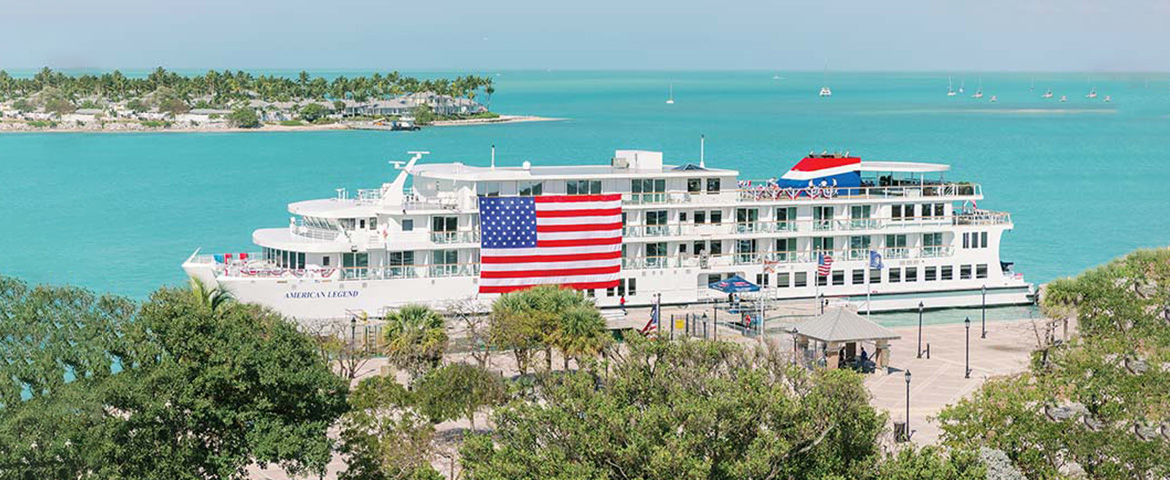
American Legend
94 Cruises
| 27 January | 9 days | One-way from Amelia Island Florida to Charleston SC |
450-628-6241
Call us
|
| 28 January | 6 days | One-way from Amelia Island Florida to Charleston SC |
450-628-6241
Call us
|
| 23 February | 9 days | One-way from Amelia Island Florida to Charleston SC |
450-628-6241
Call us
|
| 24 February | 6 days | One-way from Amelia Island Florida to Charleston SC |
450-628-6241
Call us
|
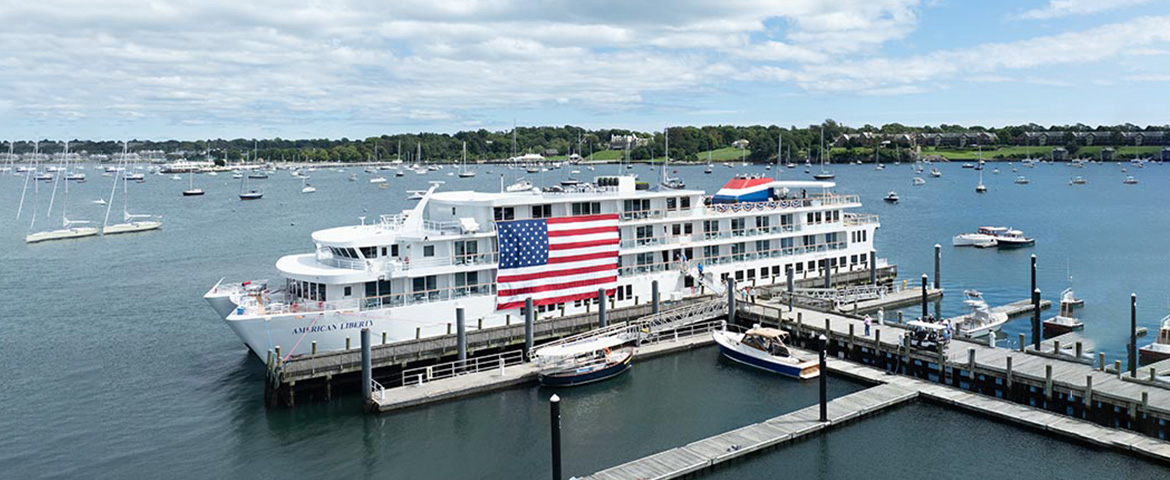
American Liberty
244 Cruises
| 11 February | 9 days | Round-trip from Jacksonville, USA |
450-628-6241
Call us
|
| 12 February | 6 days | Round-trip 8 Night Great Rivers of Florida Cruise and Land Tour |
450-628-6241
Call us
|
| 17 February | 9 days | One-way from Charleston SC to Amelia Island Florida |
450-628-6241
Call us
|
| 18 February | 6 days | One-way from Charleston SC to Amelia Island Florida |
450-628-6241
Call us
|

Jekyll Island | Cruise Port Guide
Frequently Asked Questions
At the historic district landing, facing the club lawns and the live oaks draped in Spanish moss. The cottages and museum are within immediate walking distance.
A tightly closed circle that made the island its winter retreat from 1886: Morgan, Rockefeller, Vanderbilt and a few others. Their cottages and clubhouse now form the historic district, open to the public.
The historic district and Mosaic museum on foot, the sea turtle centre nearby, then Driftwood Beach at the north end, by bike or shuttle.
A rehabilitation centre for injured or sick sea turtles from the coast, steps from the historic cottages. You see the patients in recovery and learn the threats they face.
A beach at the north end where erosion has laid dozens of salt-bleached oaks and cedars across the sand. It is the island's most photographed landscape, spectacular at low tide.
Yes, and it is the best way to see it: the island is flat with dozens of kilometres of bike paths. Rentals are available in the historic district.
Because it has belonged to the State of Georgia since 1947, which capped construction. Much of the island has stayed wooded and wild, which sets it clearly apart from its neighbours.
The US dollar and English. Credit cards are accepted everywhere, including at the turtle centre and the bike rentals.
March to May and September to November: mild warmth, less humidity, fewer mosquitoes. Georgia summers are hot and heavy, and hurricane season runs June through November.
Very much so. The sea turtle centre fascinates children, cycling is easy and safe, and Driftwood Beach is a natural playground. One of the simplest calls in the American southeast.


