Hilton Head Island SC South Carolina
520
Cruises availables
At departure or passage at this port
American Cruise Lines (520 Cruises)
American Eagle
96 Cruises
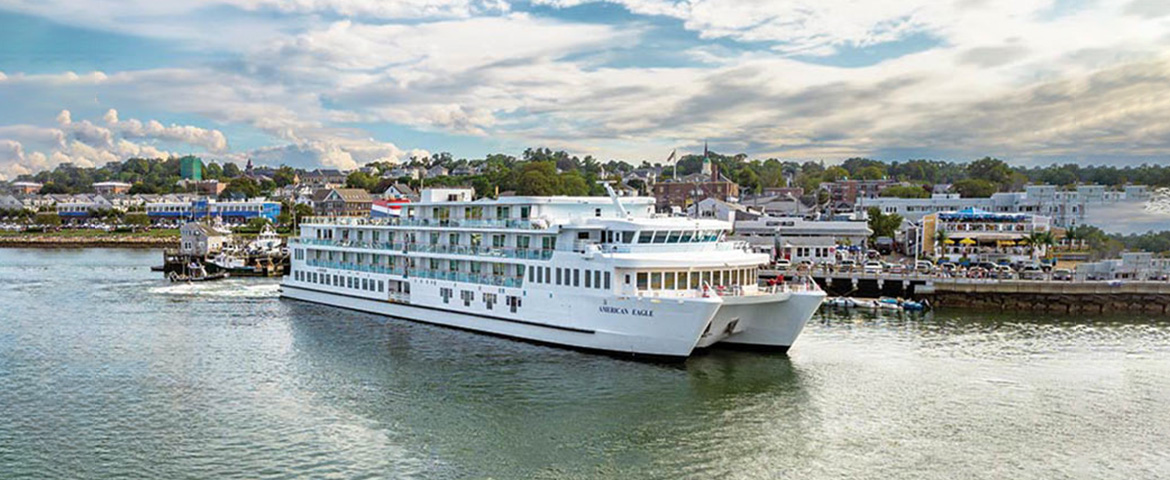

| 28 January | 9 days | One-way from Charleston SC to Amelia Island Florida |
450-628-6241
Call us
|
| 29 January | 6 days | One-way from Charleston SC to Amelia Island Florida |
450-628-6241
Call us
|
| 27 January | 9 days | One-way from Charleston SC to Amelia Island Florida |
450-628-6241
Call us
|
| 28 January | 6 days | One-way from Charleston SC to Amelia Island Florida |
450-628-6241
Call us
|
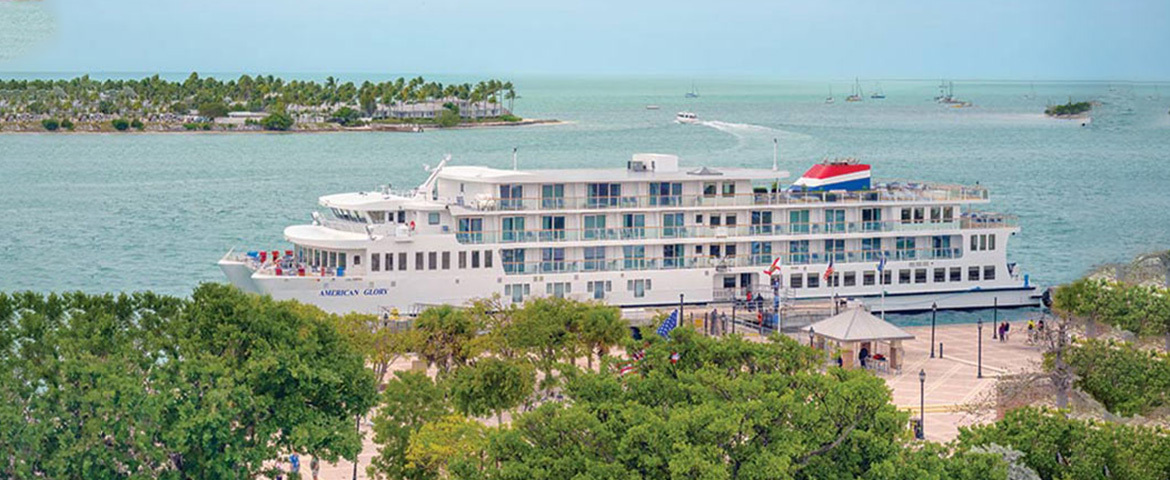
American Glory
106 Cruises
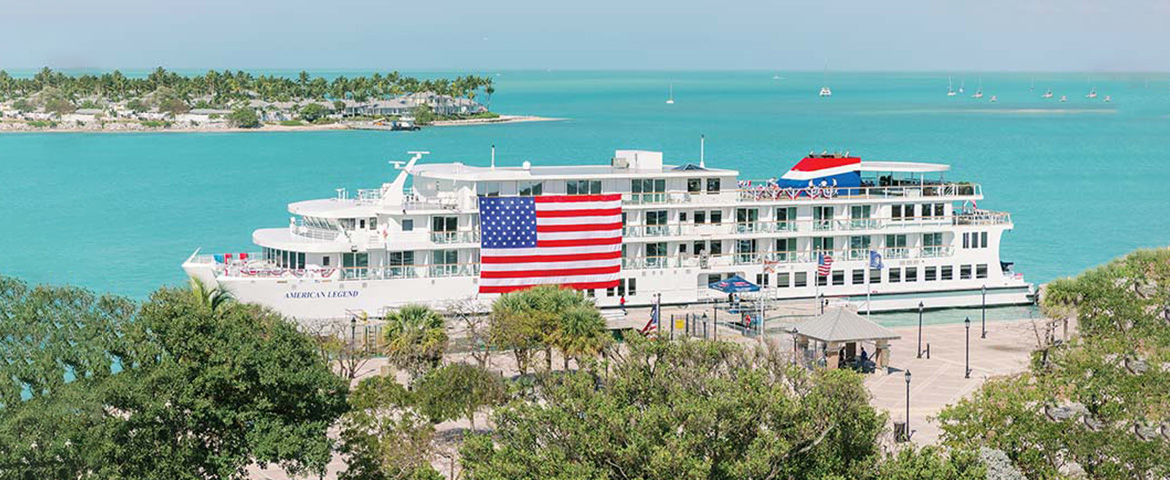
American Legend
94 Cruises
| 27 January | 9 days | One-way from Amelia Island Florida to Charleston SC |
450-628-6241
Call us
|
| 28 January | 6 days | One-way from Amelia Island Florida to Charleston SC |
450-628-6241
Call us
|
| 23 February | 9 days | One-way from Amelia Island Florida to Charleston SC |
450-628-6241
Call us
|
| 24 February | 6 days | One-way from Amelia Island Florida to Charleston SC |
450-628-6241
Call us
|
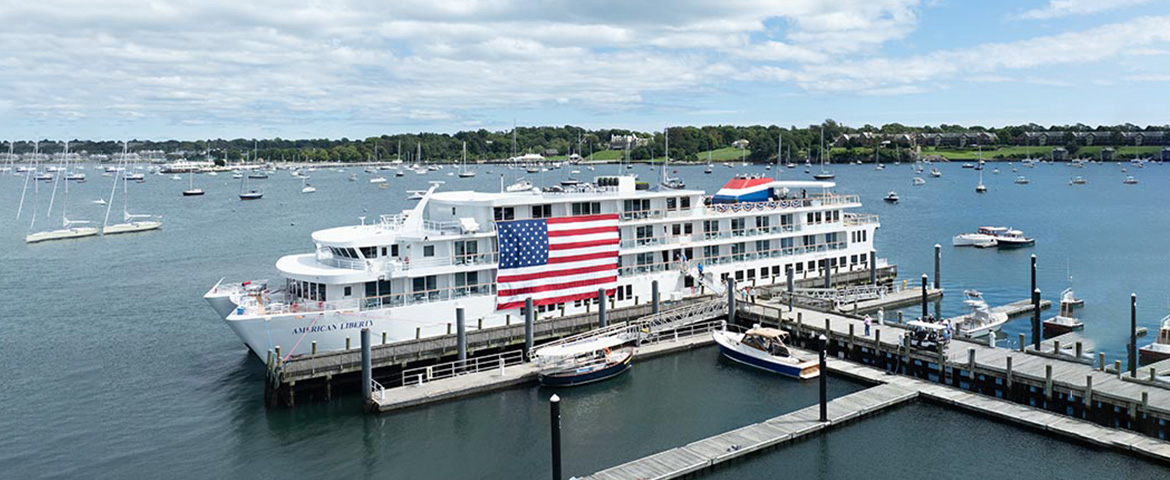
American Liberty
224 Cruises
| 17 February | 9 days | One-way from Charleston SC to Amelia Island Florida |
450-628-6241
Call us
|
| 18 February | 6 days | One-way from Charleston SC to Amelia Island Florida |
450-628-6241
Call us
|

Hilton Head Island | Cruise Port Guide
Frequently Asked Questions
By tender. The ship anchors offshore and passengers are ferried to Harbour Town, at the foot of the red-and-white striped lighthouse that anchors the whole call.
The island's emblem, built in 1970 for the Sea Pines resort. It stands right at the landing and can be climbed: the view takes in the marina, the forest and the sound.
The Harbour Town promenade and lighthouse, then your pick of the Sea Pines nature preserve, a dolphin-watching trip or simply the beach. The island is large: you have to choose.
About twenty kilometres long and made of sand so firm you can cycle on it at low tide. The water is warm and shallow, without big waves: it is the island's main draw.
Yes, in the Sea Pines nature preserve a few minutes from the landing, which protects 240 hectares of wetland. Alligators are watched from maintained trails, at a respectful distance.
Often. Bottlenose dolphin trips are among the most popular activities of the call, and it is not unusual to spot one from the tender on the way back.
The heritage of the Sea Islands' African American communities, descendants of enslaved people, who preserved a distinct language and traditions. Guided tours present that history, often led by people from those families.
The US dollar and English. Credit cards are accepted everywhere and tipping is expected in restaurants and for excursions.
April to June and September to October: pleasant warmth, less humidity, fewer crowds. Summer is hot and busy, and hurricane season runs June through November.
Very much so. Flat safe beaches, easy cycling, alligators to watch and dolphins to look for: few calls in the American southeast are this straightforward with children.


