Dubuque IA Iowa
174
Cruises availables
At departure or passage at this port
American Cruise Lines (154 Cruises)
American Melody
74 Cruises
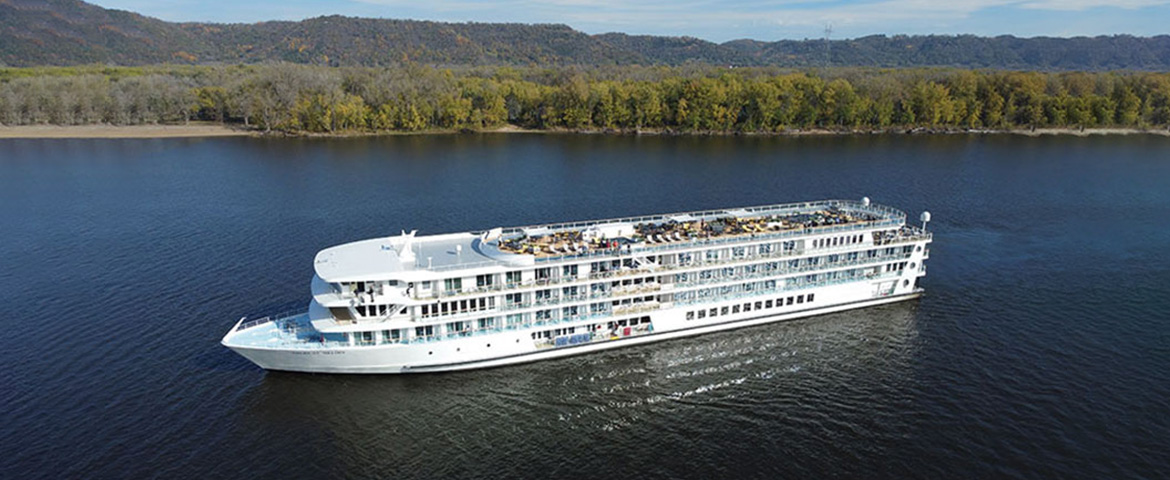

| 30 July | 9 days | One-way from St Louis MO to Minneapolis-Saint Paul |
450-628-6241
Call us
|
| 31 July | 7 days | One-way from St Louis MO to Minneapolis-Saint Paul |
450-628-6241
Call us
|
| 29 September | 9 days | One-way from St Louis MO to Minneapolis-Saint Paul |
450-628-6241
Call us
|
| 30 September | 7 days | One-way from St Louis MO to Minneapolis-Saint Paul |
450-628-6241
Call us
|
American Serenade
68 Cruises
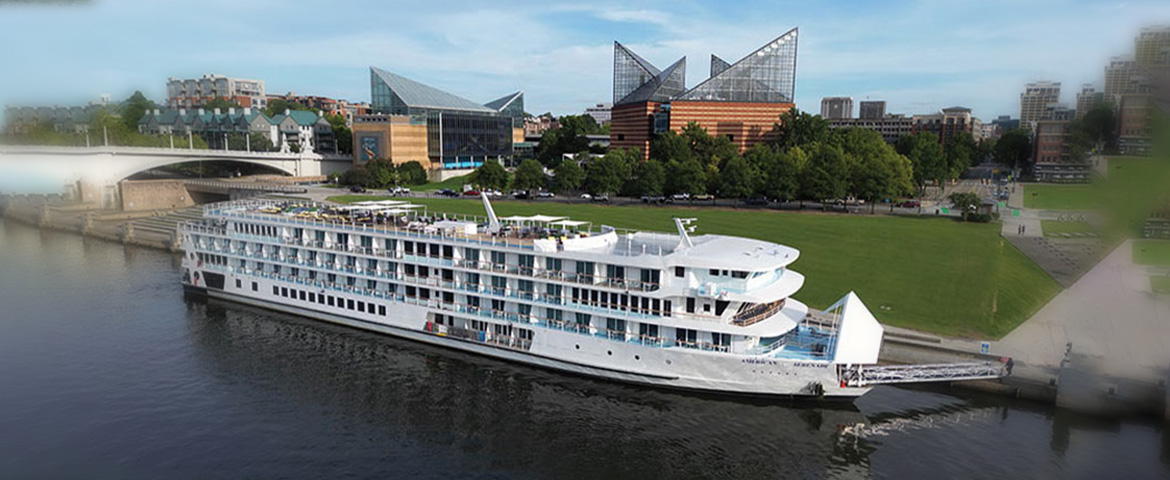
| 11 June | 23 days | One-way from New Orleans to Minneapolis-Saint Paul |
450-628-6241
Call us
|
| 12 June | 21 days | One-way from New Orleans to Minneapolis-Saint Paul |
450-628-6241
Call us
|
| 15 June | 23 days | One-way from New Orleans to Minneapolis-Saint Paul |
450-628-6241
Call us
|
| 16 June | 21 days | One-way from New Orleans to Minneapolis-Saint Paul |
450-628-6241
Call us
|
American Symphony
12 Cruises
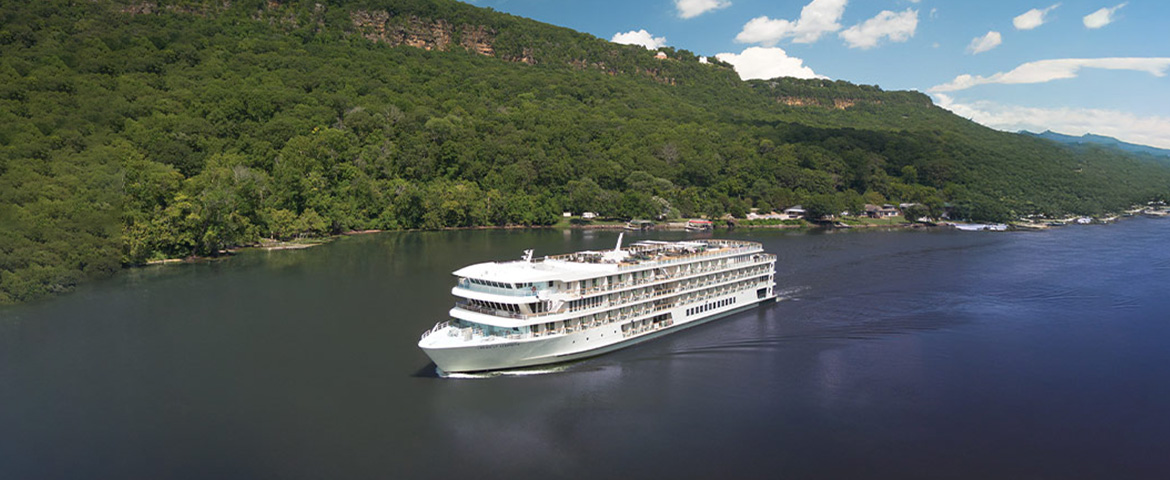
Viking River Cruises (20 Cruises)
Viking Mississippi
20 Cruises


| 11 July | 22 days | One-way from New Orleans to Minneapolis-Saint Paul |
450-628-6241
Call us
|
| 25 July | 8 days | One-way from Alton IL to Minneapolis-Saint Paul |
450-628-6241
Call us
|

Dubuque, Iowa | Cruise Port Guide
Frequently Asked Questions
At the Port of Dubuque, by the Ice Harbor basin, a few minutes' walk from the main attractions. The river runs here between high limestone bluffs.
A fur trader born near Trois-Rivières, Quebec, who in the late eighteenth century obtained from the Meskwaki nation the right to work the region's lead mines. The settlement that grew here took his name.
The National Mississippi River Museum & Aquarium beside the basin, the Fenelon Place Elevator for the panorama, then a wander through the brick streets of the historic downtown.
A funicular running since the 1880s that climbs the bluff at the end of 4th Street. It bills itself as the world's shortest and steepest railway: two minutes up, and three states visible at once in clear weather.
Iowa, Illinois and Wisconsin on a clear day, with the historic downtown and the river below. Walking back down the switchback streets lined with Victorian homes extends the outing nicely.
Otters, giant sturgeon, alligators and turtles present the life of the river basin, while the history galleries cover paddlewheelers, floods and engineering works. You can also board the William M. Black, a century-old steam dredge moored at the museum.
No, April through November. Cash payment is appreciated. Bring a sweater: the river wind surprises even in summer.
Red-brick blocks, worked cornices and painted signs along Main Street, with cafés, craft breweries and shops. Look up at the county courthouse and its gilded dome.
Yes. The redeveloped port area offers walkways over the Ice Harbor, the Mississippi Riverwalk esplanade, public artwork and benches facing the current. Bike rentals extend your range.
May through October, when the funicular runs and Mississippi cruises sail. On summer evenings, low light sets the brick of the old warehouses alight.


