Beaufort NC North Carolina
520
Cruises availables
At departure or passage at this port
American Cruise Lines (520 Cruises)
American Eagle
96 Cruises
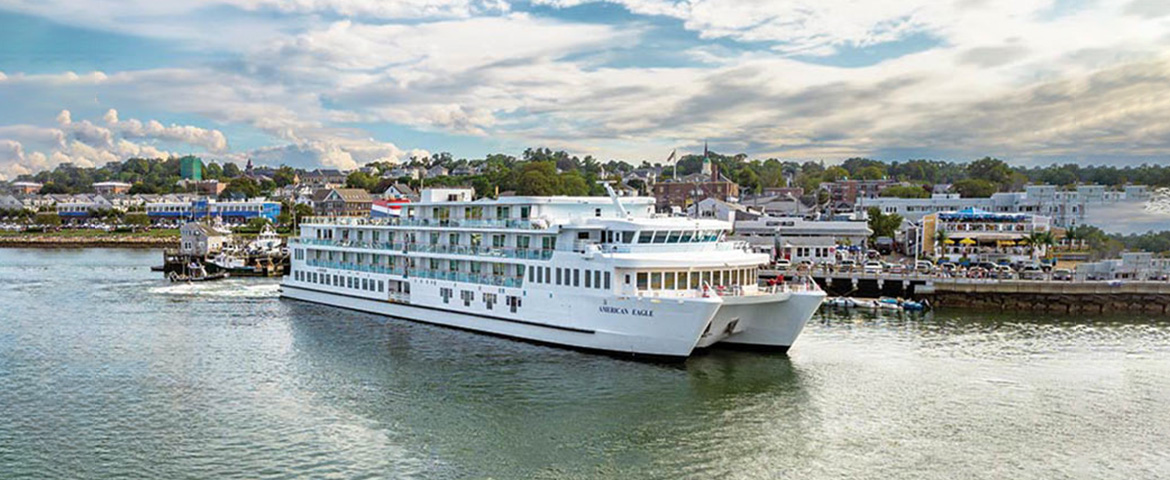
| 28 January | 9 days | One-way from Charleston SC to Amelia Island Florida |
450-628-6241
Call us
|
| 29 January | 6 days | One-way from Charleston SC to Amelia Island Florida |
450-628-6241
Call us
|
| 27 January | 9 days | One-way from Charleston SC to Amelia Island Florida |
450-628-6241
Call us
|
| 28 January | 6 days | One-way from Charleston SC to Amelia Island Florida |
450-628-6241
Call us
|
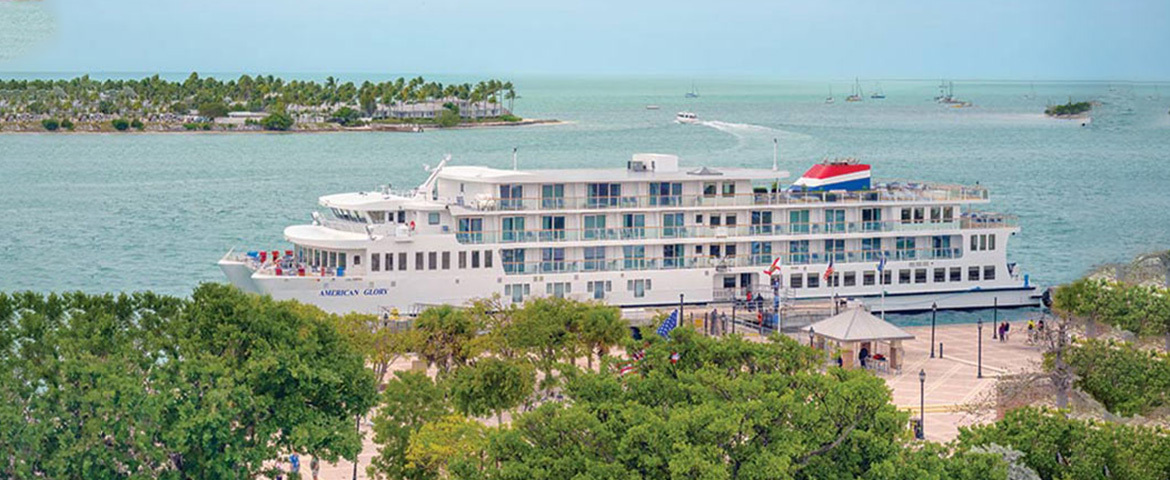
American Glory
106 Cruises
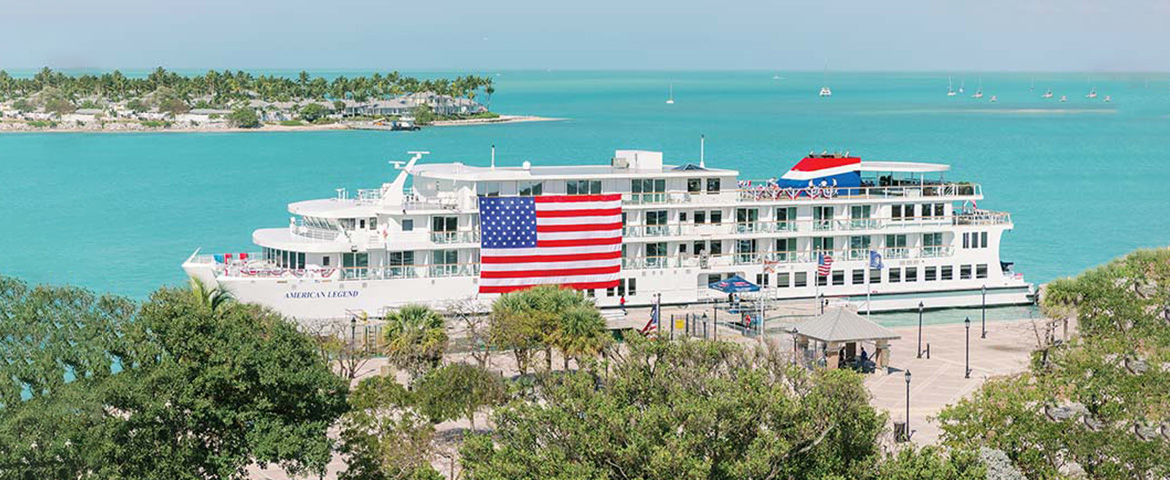
American Legend
94 Cruises
| 27 January | 9 days | One-way from Amelia Island Florida to Charleston SC |
450-628-6241
Call us
|
| 28 January | 6 days | One-way from Amelia Island Florida to Charleston SC |
450-628-6241
Call us
|
| 23 February | 9 days | One-way from Amelia Island Florida to Charleston SC |
450-628-6241
Call us
|
| 24 February | 6 days | One-way from Amelia Island Florida to Charleston SC |
450-628-6241
Call us
|
American Liberty
224 Cruises
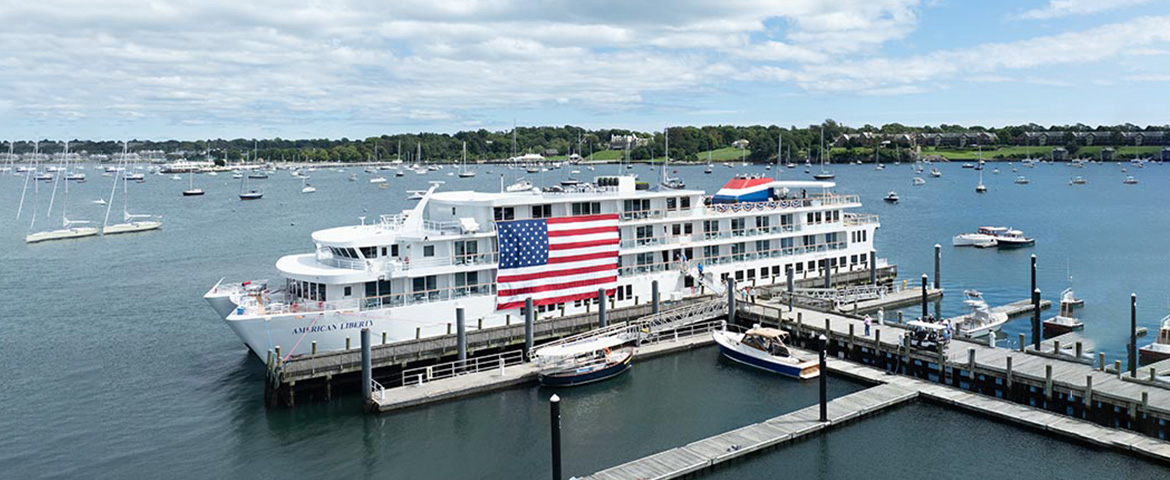
| 17 February | 9 days | One-way from Charleston SC to Amelia Island Florida |
450-628-6241
Call us
|
| 18 February | 6 days | One-way from Charleston SC to Amelia Island Florida |
450-628-6241
Call us
|

Port of Beaufort, North Carolina | Cruise Port Guide
Frequently Asked Questions
Small ships call in the heart of town on Front Street, or through nearby Morehead City. Either way, a few minutes puts you in the middle of the historic district.
Entirely, and without a map. The historic district walks easily, among white wooden houses with dark shutters, shaded by live oaks.
Front Street and its marina docks, a walk through the captains' houses reading the plaques, then the shrimp and blue crab counters. The maritime museum tells the story of the coast's shipwrecks.
The town dates from 1709, making it the third oldest in the state. Several houses are more than two centuries old and still carry the name of their first shipowner.
By the pronunciation first: the North Carolina one is BOH-fort, the South Carolina one BYOU-fort. They are two distinct towns, more than 500 kilometres of coast apart.
Most of local life: sailboats rocking metres from the terraces, the marina docks, artisan shops and rocking chairs on the porches of the captains' houses.
The US dollar, cards accepted everywhere. Sales tax is added at the register and restaurant tipping is expected American-style.
Yes, on Carrot Island directly across the harbour: a herd lives free on the reserve. You can watch them from Front Street with binoculars or from a small boat.
Yes. The town is flat, compact and traffic-free, the sailboats and wild horses interest children, and the maritime museum is free.
Spring and autumn, when heat and humidity ease. From June to November, hurricane season remains a factor on the North Carolina coast.


