Annapolis MD Maryland

76 Cruises availables At departure or passage at this port

American Cruise Lines (76 Cruises)
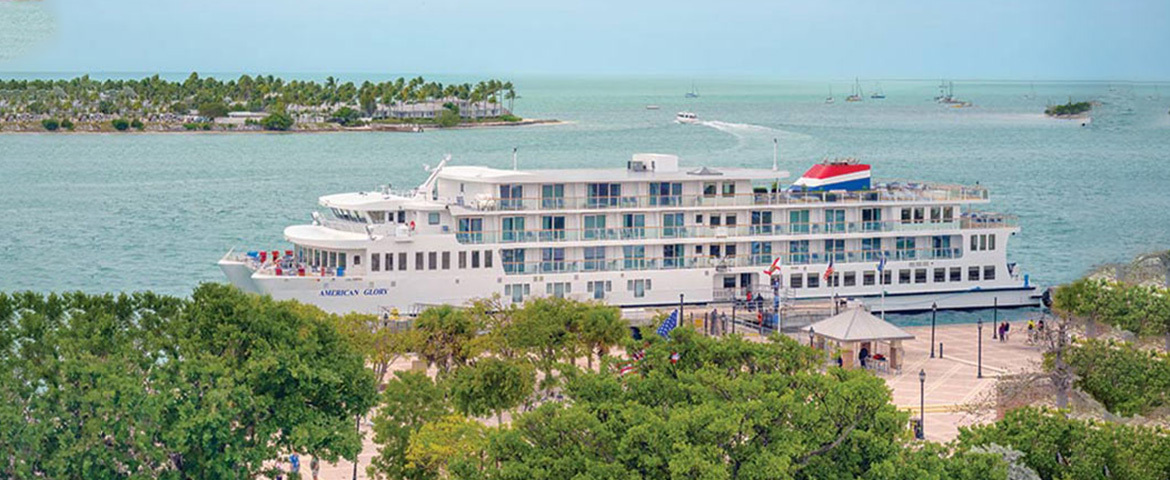
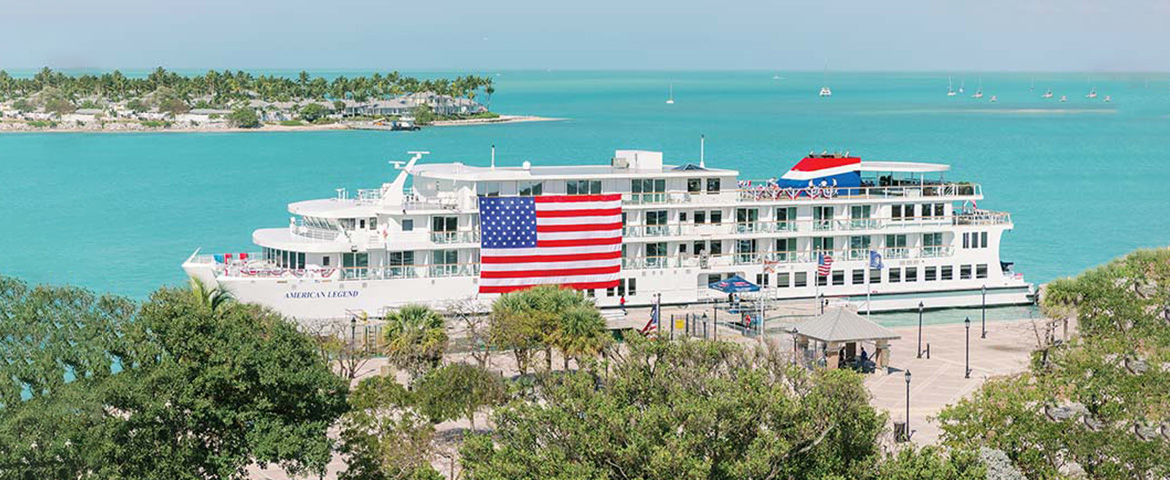
American Legend

Visit the ship's page

Port of Annapolis, Maryland | Cruise Port Guide

The wooden dome of the Maryland State House rises above the rooftops long before the ship approaches the anchorage: it sets the tone for Annapolis, a state capital where American history isn't a re-enactment but everyday scenery. Nowhere else in the United States do so many 18th-century buildings stand together, and the city still follows the baroque plan laid out in 1695, two circles with streets radiating outward. Ships cruising the Chesapeake Bay drop passengers just steps from City Dock, at the foot of Main Street.

City Dock, the City's Living Room

The City Dock basin carries a teasing nickname, Ego Alley: boaters cruise through slowly to show off before turning back under the gaze of the waterfront cafés. Around it, former merchant houses now hold cafés, ice cream shops and chandleries. Take a seat on a bench, watch the sailboats manoeuvre, and it becomes clear why Annapolis calls itself America's sailing capital. A crab stand is never far away: Chesapeake blue crab, served as cakes or cracked open with a mallet, remains the dish that sums up the region. Facing the water, the Kunta Kinte-Alex Haley Memorial recalls a heavier chapter of history: African captives were brought ashore right at this dock, and the author of Roots traced his own ancestor back to this very spot.

The Naval Academy

Annapolis has trained officers for the U.S. Navy since 1845. The Naval Academy opens its campus to visitors carrying photo ID: you can stroll past the granite buildings and the drill fields, and take in the imposing chapel, whose crypt holds the tomb of John Paul Jones, a naval hero of the American Revolution. The Academy museum displays ship models, flags and battle mementos. With a bit of luck, you'll spot midshipmen in uniform crossing the campus at a brisk pace, and on some days the noon formation brings out full dress uniforms.

Streets from the 18th Century

Climbing Main Street and coming back down through the cobblestone lanes takes you through three centuries in about an hour. The State House, completed during the Revolution, remains the oldest state capitol still in continuous legislative use; it was here that George Washington resigned his commission as commander-in-chief in 1783, a founding moment for the young republic. Nearby, the Georgian homes of signers of the Declaration of Independence are open to visitors, William Paca House and its gardens chief among them. Not far off, the lawns of St. John's College, founded in 1696, stretch out beneath tall trees; its students still read the classics in their original languages, another form of loyalty to the past. Costumed guides offer walking tours, but wandering at random works just as well: every carriage entrance and painted transom window has its own story to tell.

Annapolis Port Call at a Glance

ItemDetail
ArrivalDrop-off right in the heart of town, near City Dock
Naval AcademyPedestrian entrance a few minutes away; photo ID required
State HouseFree admission on weekdays; 18th-century wooden dome
Local foodBlue crab cakes, Chesapeake oysters
Getting aroundThe entire historic centre is walkable

Late in the afternoon, white sails multiply across the bay and the chapel bells ring out over the brick rooftops. Passengers head back on board with the feeling of having walked in the founders' footsteps, with no glass display case or velvet rope in sight: in Annapolis, the past is still hard at work, every day, right at street level.

Frequently Asked Questions

Ships working Chesapeake Bay land passengers steps from City Dock, at the foot of Main Street. The historic core begins where the gangway ends.
Entirely, and it is the best way. The town still follows the baroque plan laid out in 1695, two circles from which the streets radiate: everything connects within minutes of City Dock.
City Dock, Main Street, the Maryland State House and a loop through the eighteenth-century streets. Visitors drawn to the sea add the Naval Academy campus next to the centre.
The state legislature, recognisable by the wooden dome that rises above the rooftops long before the ship arrives. It is the oldest American state house still in continuous legislative use, and it housed the United States Congress in the 1780s.
Because nowhere else in the United States are so many eighteenth-century buildings gathered together. American history here is not a reconstruction: it is a daily setting, lived in and worked in.
The teasing nickname for the City Dock basin: boat owners parade in slowly before turning around under the gaze of the terraces. It is the best bench in town for watching sailboats manoeuvre.
Because Chesapeake Bay makes it a home port for thousands of sailboats and the town lives by the rhythm of its regattas. Chandleries, boatyards and sailing schools fill the waterfront.
The US dollar, cards accepted everywhere. Sales tax is added at the register and restaurant tipping is expected American-style.
Yes. City Dock, the sailboats and the ice cream shops keep children busy, and distances are short. Watch the uneven cobbles of the old streets with a stroller.
May through October, the Chesapeake sailing season. September and October are the most pleasant: a Maryland summer is hot and heavy.