Alton IL Illinois
82
Cruises availables
At departure or passage at this port
American Cruise Lines (62 Cruises)
American Melody
34 Cruises
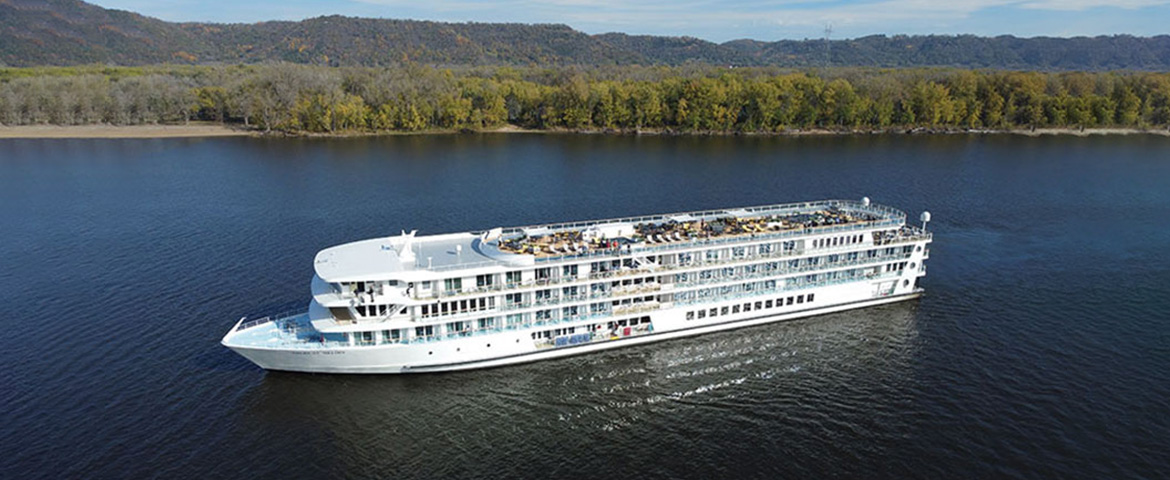

| 25 June | 9 days | One-way from Minneapolis-Saint Paul to St Louis MO |
450-628-6241
Call us
|
| 26 June | 7 days | One-way from Minneapolis-Saint Paul to St Louis MO |
450-628-6241
Call us
|
| 2 July | 16 days | One-way from St Louis MO to Pittsburgh PA |
450-628-6241
Call us
|
| 3 July | 13 days | One-way from St Louis MO to Pittsburgh PA |
450-628-6241
Call us
|
| 23 June | 9 days | One-way from Minneapolis-Saint Paul to St Louis MO |
450-628-6241
Call us
|
| 24 June | 7 days | One-way from Minneapolis-Saint Paul to St Louis MO |
450-628-6241
Call us
|
| 29 June | 9 days | One-way from Minneapolis-Saint Paul to St Louis MO |
450-628-6241
Call us
|
| 30 June | 7 days | One-way from Minneapolis-Saint Paul to St Louis MO |
450-628-6241
Call us
|
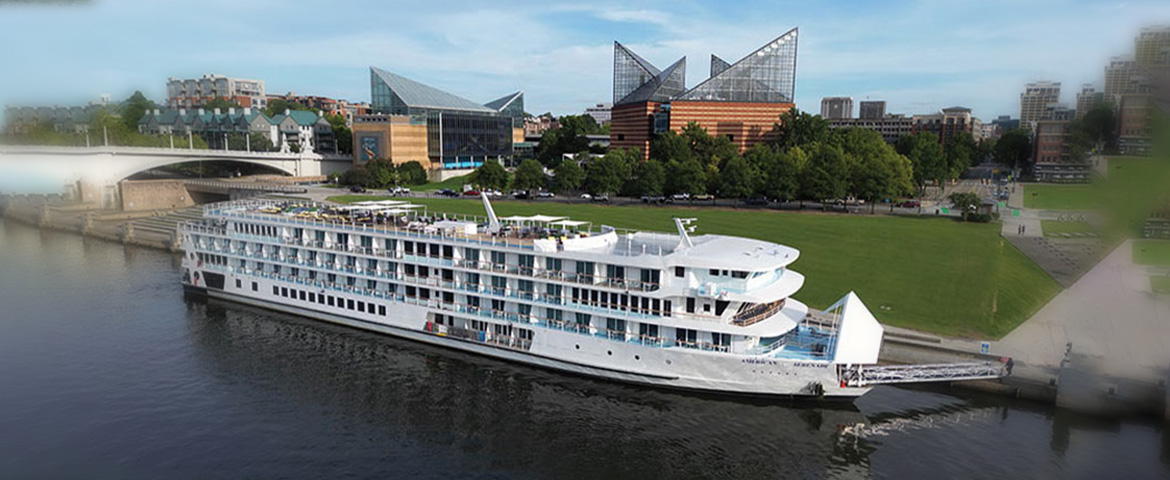
American Serenade
28 Cruises
Viking River Cruises (20 Cruises)
Viking Mississippi
20 Cruises


Port of Alton, Illinois, USA | Cruise Port Guide
Frequently Asked Questions
Riverboats tie up right at the bank, steps from the historic centre. No shuttle is needed: you step ashore straight into town.
Just upstream of their confluence: a few kilometres below town the Mississippi takes in the Missouri and the two giants become one. Alton clings above that meeting, backed by limestone bluffs.
The historic downtown on foot, the Piasa mural on the bluff upstream, and a stretch of the Great River Road along the water. History buffs add the site of the last Lincoln-Douglas debate.
A winged creature with red eyes, a monster-bird from the tradition of the Illinois peoples. Father Jacques Marquette described a painted version on the cliff during his descent of the Mississippi in 1673. The current mural, regularly restored, keeps the legend on the rock face.
One of the best-known scenic routes in the Midwest, running along the limestone bluffs at whose foot the Mississippi stretches out. The section north of Alton is the most spectacular.
Because the town was the birthplace of Robert Wadlow, the tallest man in verified history at 2.72 metres. A life-size statue downtown lets you measure the gap: it is Alton's most popular photo stop.
The US dollar, cards accepted everywhere. Sales tax is added at the register and restaurant tipping is expected American-style.
English, even though the region owes its earliest names to the French explorers of the Mississippi. French is no longer spoken locally.
Yes. The Robert Wadlow statue, the Piasa mural and the riverfront make an easy half-day, with no demanding walking and no crowds.
April through November, the Mississippi river cruise season. Autumn gives the best colour along the bluffs; summer is hot and humid in the valley.


